In today’s competitive digital landscape, product images play a crucial role in attracting and converting customers. One of the most effective ways to create clear, detailed, and professional product images is through 3D rendering. Among various styles of product photography, silo product images have emerged as an industry standard, particularly in e-commerce, marketing, and catalogs.
This ultimate guide dives deep into creating silo product images using 3D product rendering. We’ll explore the types of silo images, their benefits, the process of creating them, and how businesses can use them to enhance their marketing strategies.
What are Silo Product Images?
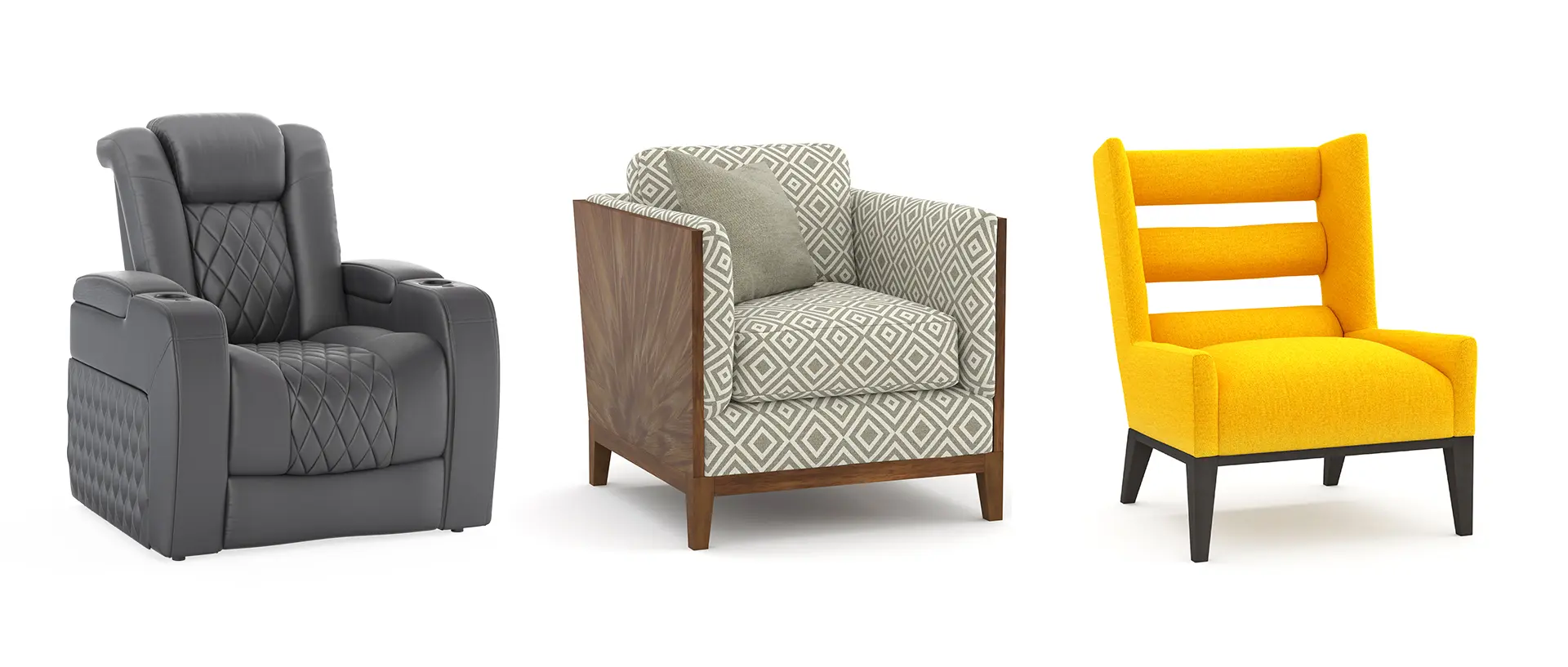
Silo product images are product visuals displayed on a clean, distraction-free background, typically white. Their purpose is simple: keep the entire focus on the product.
In eCommerce, catalogs, marketplaces, and technical product documentation, silo images help customers clearly evaluate a product’s shape, materials, dimensions, and details without the influence of surrounding environments.
While silo images were traditionally created through photography, many brands now use 3D rendering to create product visuals faster, maintain consistency across large catalogs, and produce unlimited variations without repeated photoshoots.
For furniture, lighting, home décor, electronics, and industrial products, 3D-rendered silo images have become an efficient alternative to traditional product photography.
Types of Silo Product Images

1. Basic Silo Image
The basic silo product image is the simplest form. It features the product placed against a clean white background, highlighting the product’s features without distractions. This straightforward style is perfect for showcasing products that don’t require complex views or perspectives.
2. Silo with Shadows
Adding shadows to silo product images enhances their realism, making the product appear as if it is physically present in a space. The shadows help create depth and provide a more tangible, lifelike appearance, which is crucial for products where texture or material plays an essential role.
3. Exploded View
An exploded view is a detailed silo image where the product is shown in a disassembled state, emphasizing its components. This is particularly useful for complex products like furniture, electronics, or machinery, where customers may want to see individual parts or understand how the product fits together.
4. Cutaway View
A cutaway view silo image is used to display the internal structure of a product. For instance, products like mattresses or layered furniture benefit from a cutaway view as it reveals the materials used inside, helping customers make more informed purchasing decisions.
5. Silo with Dimensions
Including dimensions in silo images is beneficial for products where size is a key consideration. Whether it’s furniture, appliances, or any other product requiring size measurements, adding dimensions to the image helps customers visualize how the product will fit into their space.
Benefits of Silo Product Images

1. Consistency in Product Presentation
Silo renders provide a consistent look for all products across your website or catalog. Having uniform imagery for each product enhances the overall aesthetic of your brand, making it appear professional and polished.
2. Cost-Effective and Time-Saving
3D rendering is a cost-effective alternative to traditional photoshoots. You don’t need to worry about the costs of physical photography setups, locations, lighting, or props. Moreover, once a 3D model is created, it can be rendered in multiple angles, saving time compared to reshooting products from different perspectives.
3. Enhanced Visual Appeal
3D rendering allows for the depiction of fine details and textures that traditional photography might struggle to capture. Whether it’s the glossy finish of a product or intricate design elements, silo product images allow you to highlight the features that matter most to your customers.
4. Flexibility Across Platforms
Whether you need images for your website, social media, or print materials, silo product images can be easily adapted. The clean, professional style makes these images versatile and suitable for a wide range of applications, helping businesses create a cohesive brand identity.
5. Faster Decision-Making for Customers
Silo product images help customers make quicker and more informed purchasing decisions. With clear visibility of the product’s details and dimensions, customers can assess if the product fits their needs, leading to higher conversion rates.
How Professional 3D Silo Images Are Created
Step 1: Collect Product Information
The process starts with:
- CAD files
- Technical drawings
- Product dimensions
- Reference photography
- Material specifications
Step 2: Create the 3D Model
Artists build an accurate digital version of the product.
The model must match:
- Dimensions
- Construction
- Surface details
- Product proportions
Step 3: Apply Materials and Textures
Materials are created to replicate:
- Wood
- Fabric
- Metal
- Glass
- Plastic
- Stone
Accurate materials are critical because customers often evaluate quality based on visual appearance.
Step 4: Studio Lighting Setup
Lighting determines realism.
Professional silo renders use carefully controlled studio-style lighting designed to:
- Reveal form
- Preserve material detail
- Create soft shadows
- Avoid distracting reflections
Step 5: Camera Positioning
Multiple camera angles are typically created, including:
- Front view
- Side view
- Perspective view
- Detail close-ups
Step 6: Rendering and Post Production
Final images are rendered at high resolution and refined through post-production to ensure consistency and clarity.
Common Mistakes Brands Make in Silo Product Rendering
Inconsistent Camera Setup
Products often end up with different angles and framing across a catalog. Even small differences break visual consistency and make the collection feel unprofessional.
Poor Lighting Balance
Flat lighting removes depth, while overly harsh lighting distracts from the product. Good silo rendering uses controlled studio lighting that reveals form without overpowering it.
Unrealistic Materials
When materials like wood, fabric, or metal don’t behave naturally under light, the result feels fake. This directly reduces trust in product quality.
Incorrect Scale or Proportion
Even minor scaling errors can make a product feel “off.” Accurate real-world measurements are essential for credibility.
Missing Detail Views
Relying only on a single hero image often leaves gaps in understanding, especially for complex or premium products.
Inconsistent CGI vs Photography Style
Mixing different visual styles without alignment in lighting and tone creates a disconnected catalog experience.
Are Silo Product Images Suitable for Amazon and Shopify?
Yes.
Silo images are commonly used across:
- Amazon
- Shopify
- WooCommerce
- Wayfair
- Walmart Marketplace
- Product catalogs
White-background product images are often the preferred format because they provide maximum clarity and consistency.
How Much Does Silo Product Rendering Cost?
Pricing depends on:
- Product complexity
- Modeling requirements
- Number of views
- Material variations
- Image resolution
Simple products generally require less production time than furniture, technical products, or products with complex materials.
When evaluating cost, brands should consider the long-term value of reusable 3D assets, which can later be used for:
- Lifestyle renders
- Animations
- AR experiences
- Product configurators
- Marketing campaigns
Why Many Brands Outsource Silo Rendering
Building an in-house CGI team requires:
- Software licenses
- Skilled artists
- Hardware investment
- Workflow management
Outsourcing allows brands to access experienced artists without maintaining internal production resources.
When selecting a rendering partner, consider:
- Portfolio quality
- Industry experience
- Revision process
- Delivery speed
- Scalability
Applications of Silo Product Images in Marketing

1. E-Commerce Platforms
E-commerce businesses rely on silo product images to provide clear and professional visuals that make it easier for customers to browse products and make purchasing decisions.
2. Digital Advertising
When advertising products online through social media or Google ads, silo renders help present your products in a professional, clean format, attracting potential customers’ attention quickly.
3. Print Marketing Materials
For businesses that use print catalogs, brochures, or posters, silo product images can be used to maintain a cohesive and sleek visual style that represents your brand well.
4. Product Presentations
When presenting products to investors, partners, or clients, silo renders can showcase the product in its best form without the need for a physical prototype.