
A strong furniture product alone is not enough to capture attention in today’s competitive market—how it is visually presented often shapes the buying decision. In furniture marketing, two of the most widely used visualization methods are Lifestyle Renderings and Silo Renders. Lifestyle Renderings show furniture in real-world environments to create context and emotional appeal, while Silo Renders present the product in a clean, distraction-free view to highlight design, materials, and proportions.
In this article, we will break down both types of renders, exploring when to use silo vs lifestyle rendering and the impact each has on your marketing strategy.
Understanding Rendering Types in Furniture Marketing
What is a Lifestyle Rendering?
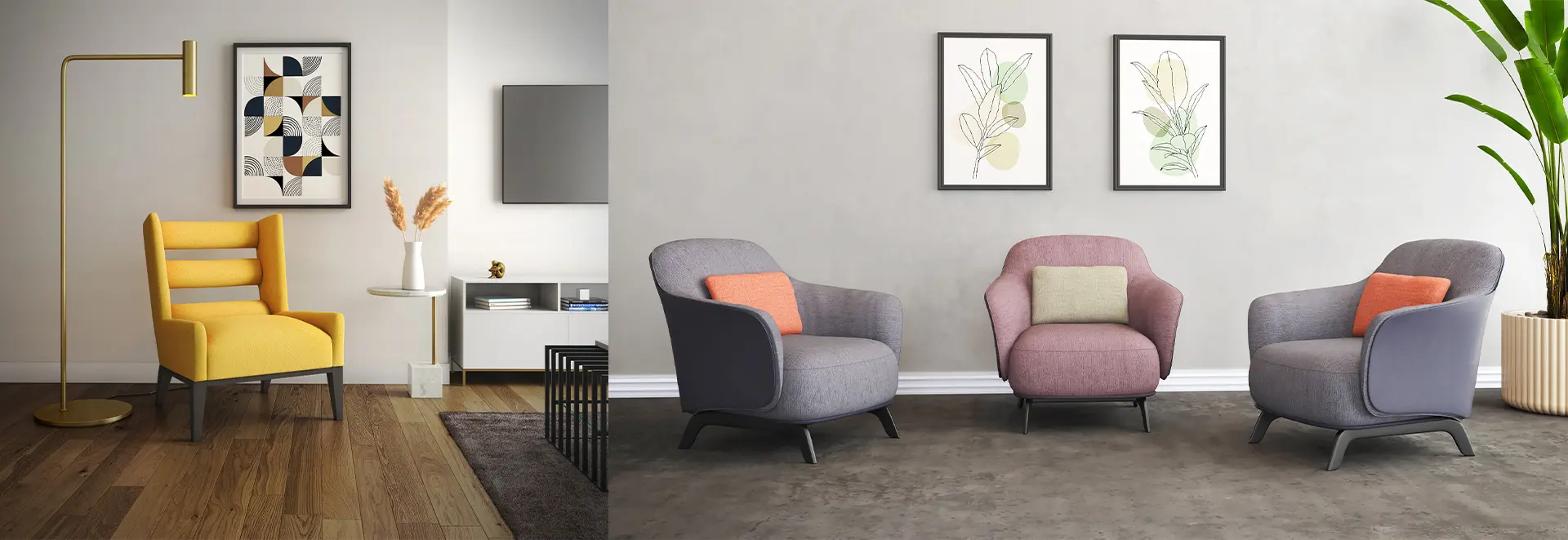
Lifestyle renderings are computer-generated images that depict furniture in a real-life, relatable context. The aim is to evoke emotions and show potential customers how the product will fit into their everyday lives. These images often feature furniture placed in beautifully staged living spaces—think a cozy living room, a chic office, or a stylish bedroom.
The key idea behind Lifestyle Shots is to make the furniture feel approachable, aspirational, and relatable. This method of rendering taps into the emotional side of consumer behavior, creating a sense of desire by showing how the product can enhance their life.
The Role of Lifestyle Shots in Marketing
Using Lifestyle Renderings in your marketing allows customers to envision themselves in the space. For instance, a sleek dining table surrounded by modern chairs might look good, but when placed in a real-life setting like a well-lit dining room, it helps customers picture themselves hosting a dinner party there.
This context-driven approach is particularly useful when targeting a specific lifestyle demographic, such as young professionals or families, by aligning the furniture with their unique needs and aspirations.
What is a Silo Rendering?
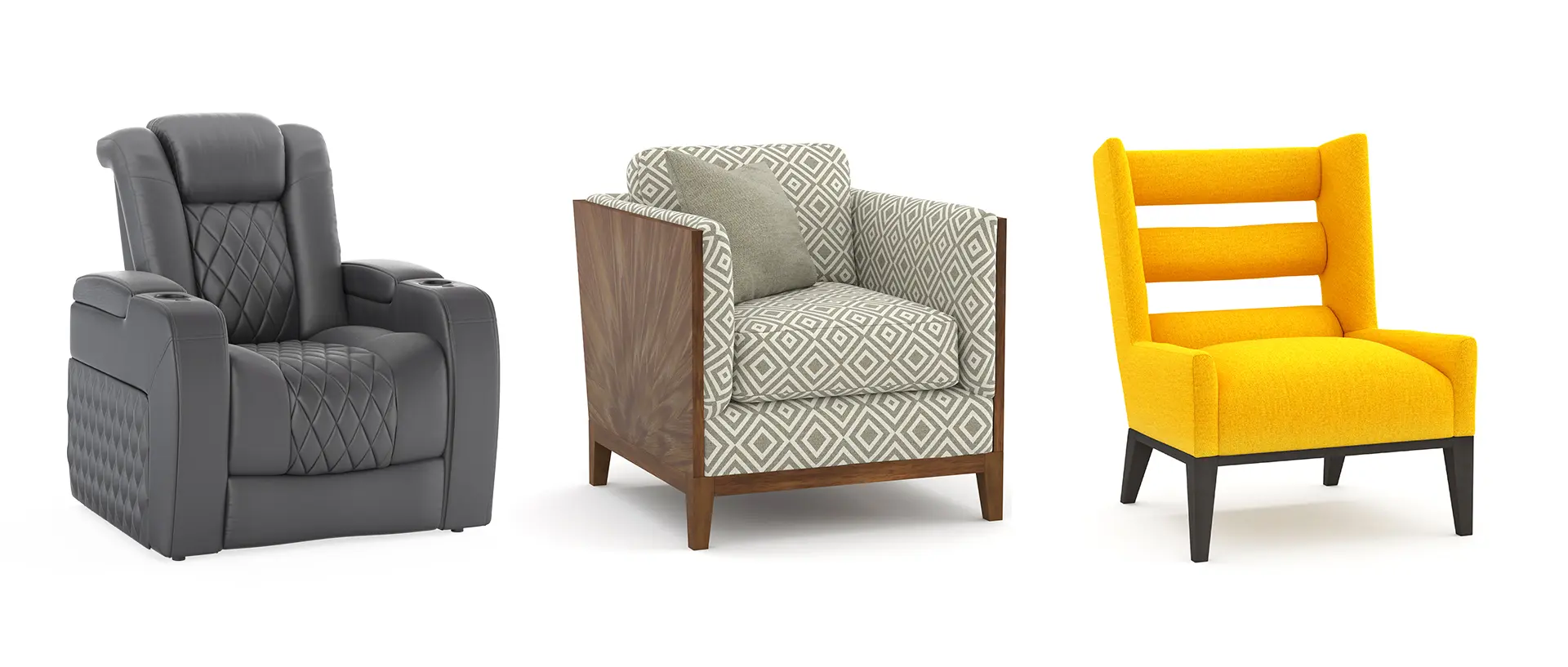
In contrast to Lifestyle Renderings, Silo Images focus solely on the product itself. These images are typically captured against a neutral background, highlighting the furniture’s design, materials, and functionality. The objective is to showcase the product in its purest form, providing clear, detailed views without any distractions from the surrounding environment.
A Silo Picture might feature a couch isolated against a white backdrop, allowing potential buyers to zoom in on the texture of the fabric, the stitching, or the shape of the cushions. These images are crucial for e-commerce platforms, catalogs, and technical sheets where accuracy and clarity are paramount.
The Purpose and Use of Silo Images in Furniture Marketing
Silo Images serve a distinct purpose in furniture marketing. They are often used when clarity and precision are needed, such as in product catalogs, online listings, or technical documentation. The lack of surrounding distractions in Silo Shots helps highlight the specific features of the product, such as material textures or intricate details.
Moreover, Silo Renders are commonly used in situations where the goal is to present the product in isolation, as seen with online retail or showroom displays.
Read more on the importance of product imagery in marketing from Shopify
Silo vs Lifestyle Rendering: Key Differences
Visual Presentation and Customer Perception
One of the biggest differences between Lifestyle Renderings and Silo Renders is the way they communicate a product to potential buyers.
Lifestyle Renderings place furniture within a realistic environment, allowing customers to see how a piece might look and function in an actual living space. By adding context through room layouts, lighting, décor, and complementary furnishings, these visuals help customers imagine the product in their own homes. This ability to visualize ownership can make furniture feel more relatable, desirable, and easier to understand.
For example, a dining table displayed in a thoughtfully designed dining room instantly communicates its scale, style, and intended atmosphere. Customers are not only evaluating the furniture itself—they are also responding to the lifestyle and experience being presented.
Silo Images take a different approach. By isolating the furniture on a clean background, they remove distractions and place full attention on the product. Buyers can clearly evaluate the shape, materials, finishes, craftsmanship, and design details without competing visual elements. This makes Silo Renders especially valuable when accuracy and product clarity are the primary objectives.
Purpose and Marketing Applications
Both render types serve important but distinct roles within furniture marketing.
Silo Renders are commonly used where product information needs to be presented clearly and consistently. E-commerce product pages, online marketplaces, printed catalogs, specification sheets, and product comparison tools often rely on Silo Images because they allow customers to examine furniture from multiple angles and make informed purchasing decisions.
Lifestyle Renderings, however, are designed to inspire. They are particularly effective in advertising campaigns, social media content, website banners, lookbooks, and product launch materials. Rather than focusing solely on product details, Lifestyle Shots help communicate a brand’s aesthetic, target audience, and design vision.
In practice, Silo Renders help customers evaluate a product, while Lifestyle Renderings help customers imagine living with it.
Impact on the Customer Journey
Understanding where each render type fits within the customer journey can help furniture brands create more effective marketing materials.
During the discovery stage, buyers are often influenced by visuals that capture attention and generate interest. Lifestyle Shots perform exceptionally well here because they provide context, tell a story, and create emotional engagement.
As buyers move closer to making a purchase, their priorities shift toward product-specific information. At this stage, Silo Images become increasingly important because they offer a clear view of dimensions, proportions, materials, and construction details that support confident decision-making.
For this reason, many successful furniture brands use both approaches together. Lifestyle Renderings attract and inspire potential customers, while Silo Renders provide the detailed product information needed to complete the purchase journey.
Choosing the Right Approach
The choice between Lifestyle Renderings and Silo Renders should be based on the objective of the visual content rather than viewing one as superior to the other.
If the goal is to showcase craftsmanship, product features, or technical accuracy, Silo Images are often the most effective solution. If the goal is to create emotional appeal, demonstrate real-world use, or strengthen brand storytelling, Lifestyle Shots typically deliver greater impact.
In most furniture marketing strategies, the strongest results come from combining both. Lifestyle Renderings create desire and context, while Silo Renders provide the clarity and confidence buyers need before making a purchase.
When to Use Lifestyle Renderings in Furniture Marketing
Showcasing Lifestyle and Emotional Appeal
Lifestyle Renderings are powerful tools for showcasing the emotional appeal of a piece of furniture. These images are designed to help customers visualize themselves using the product in their own lives. By depicting furniture in a real-world, beautifully styled environment, these images help convey a sense of comfort, luxury, or functionality that may resonate with the customer on an emotional level.
For example, consider a Lifestyle Shot showing a sleek, modern desk set up in a minimalist office. The image may not just showcase the desk itself, but also the clean, serene atmosphere it creates. This can be particularly appealing to individuals looking to enhance their work environment or those interested in creating a calm, uncluttered space.
Building Brand Identity with Lifestyle Shots
Another advantage of Lifestyle Renderings is their ability to help shape and communicate your brand’s identity. Consistently using similar imagery across all marketing channels allows you to craft a distinct narrative. For instance, if your furniture brand emphasizes a bohemian, laid-back lifestyle, the use of casual, cozy settings in Lifestyle Shots will reinforce that brand image and create a cohesive message across different marketing platforms.
Additionally, Lifestyle Renderings allow you to present the furniture within specific trends or lifestyles, such as urban living, coastal chic, or industrial modern. This kind of targeted imagery can help you connect with specific customer segments more effectively.
When to Use Silo Renders in Furniture Marketing
Clear Product Presentation with Focused Detailing
Silo Renders shine when the goal is to focus on the product itself. These images are ideal for showcasing fine details such as the texture of a fabric, the pattern of a wooden surface, or the construction of a metal frame. For customers who value the intricacies of design or need to make sure the dimensions fit their space, Silo Images are crucial.
If a buyer is looking for a precise, no-nonsense view of a piece, such as a white silo picture showing a bright, clean image of a dining table with a glass top, a Silo Rendering is the perfect way to provide the clarity they need.
Effectiveness of Silo Pictures in Catalogs and Websites
When it comes to e-commerce and product catalogs, Silo Images are incredibly effective. They allow customers to closely examine the product, focusing solely on its features. Whether the image is placed on your website or in a printed catalog, the simplicity of the Silo Shot ensures that the buyer isn’t distracted by unnecessary elements, making it easier for them to evaluate the furniture.
Online retailers, in particular, benefit from Silo Renders because these images help eliminate confusion. By showing the product without a backdrop, customers can more easily zoom in and examine the piece, making informed decisions based on the product’s size, finish, and shape.
Combining Lifestyle and Silo Images
Creating the Perfect Balance for Marketing
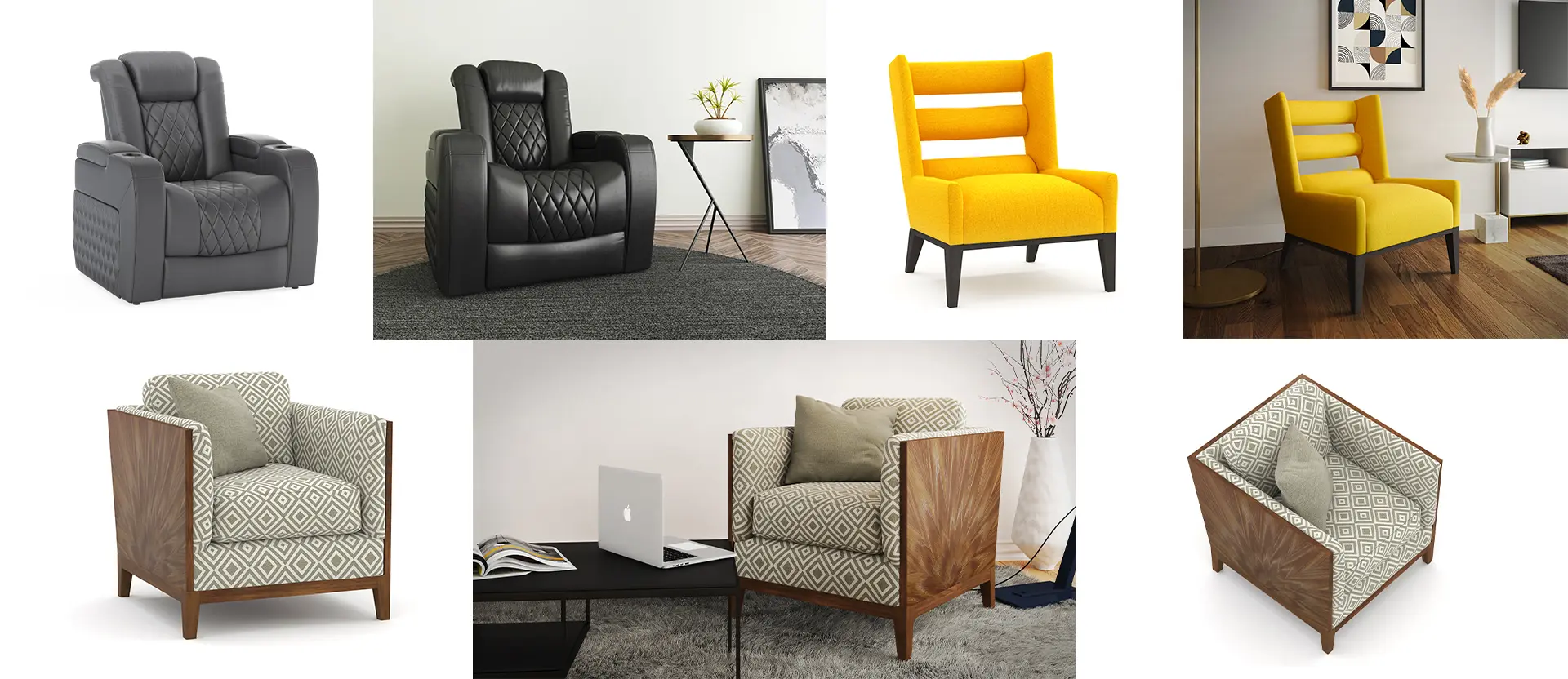
While Silo Renders and Lifestyle Shots serve different purposes, they can work together harmoniously in a well-rounded marketing strategy. By integrating both types of images into your content, you can offer a holistic view of the furniture. For example, a Silo Image may show the intricate details of a chair’s design, while a Lifestyle Rendering demonstrates how that chair fits beautifully into a modern living room.
The combination of these render types can be especially effective in advertising campaigns, product listings, or social media promotions. Lifestyle Shots attract attention and spark desire, while Silo Renderings offer clarity and detail for those ready to make a purchasing decision.
Using Both to Enhance the Customer Experience
The ability to seamlessly integrate both Silo and Lifestyle Renderings into your marketing material enhances the overall customer experience. Customers who first encounter a Lifestyle Shot might be inspired to explore further, and when they click through to more details, they can see the same product in a Silo Image, providing the additional information they need to make a final decision.
This dual approach caters to different stages of the buyer’s journey. The Lifestyle Shot grabs attention, while the Silo Image helps ensure the decision-making process is smooth and informed.
Best Practices for Using Renders in Furniture Marketing
Use the Right Render for the Right Purpose
Both Silo Renders and Lifestyle Renderings play important roles in furniture marketing, but they serve different objectives.
Silo Images work best on product pages, marketplaces, and catalogs where customers need a clear, distraction-free view of the furniture. They help buyers evaluate design details, materials, and proportions.
Lifestyle Shots are ideal for website banners, social media, advertisements, and lookbooks. By placing furniture in realistic settings, they help customers visualize the product in use and create a stronger emotional connection.
Maintain Quality and Consistency
Whether creating Silo Renders or Lifestyle Renderings, focus on accurate modeling, realistic materials, proper lighting, and high-resolution output. Consistent visual quality across your product catalog helps build trust and strengthens your brand image.
Combine Both for Better Results
The most effective furniture marketing strategies use both render types together. Lifestyle Renderings attract attention and inspire customers, while Silo Images provide the product clarity needed to support purchasing decisions.
Conclusion
Choosing the Right Render for Your Furniture Marketing Needs
In conclusion, understanding silo vs lifestyle rendering is key to building a stronger furniture marketing strategy. Both Lifestyle Renderings and Silo Images play pivotal roles — the key is knowing when and how to use each to create the most compelling marketing materials. By incorporating both types of images into your strategy, you can appeal to a wider range of customer needs — helping customers connect emotionally with your products while also providing the detailed information they need to make a purchase.
With this balanced approach, you can elevate your furniture marketing to new heights, ensuring that your brand resonates with customers and stands out in a competitive market.