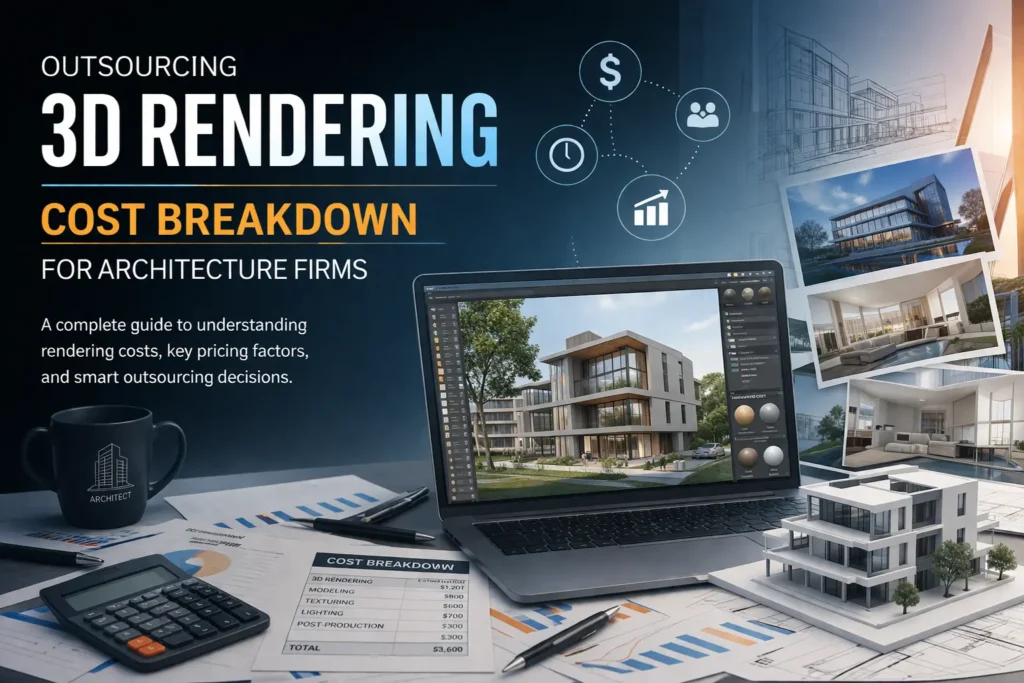
3D exterior rendering is a transformative tool in modern architectural design, enabling architects and designers to present their ideas in a visually compelling and realistic way. By creating photorealistic images of building exteriors, 3D rendering enhances the design process, facilitates client communication, and improves marketing efforts. Understanding the importance of 3D exterior rendering is essential for any architect or developer looking to stay competitive — in this blog, we will dive into the world of 3D exterior renderings, exploring what they are, how they are used, and why they are crucial for architectural success.
Before diving into the significance of 3D exterior rendering in architectural design, it’s essential to understand the basics of architectural design itself. If you’re looking for a deeper dive into the stages, importance, and definition of architectural design, check out our detailed article on What Is Architectural Design? Definition, Stages & Importance
What is 3D Exterior Rendering?
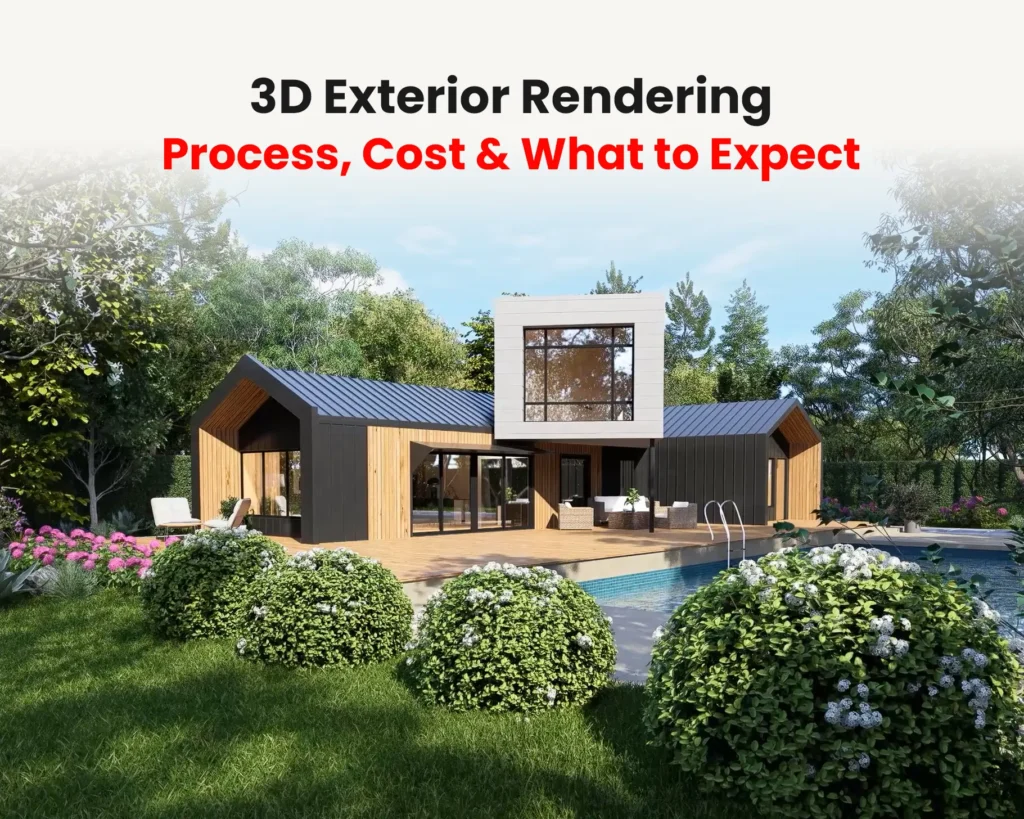
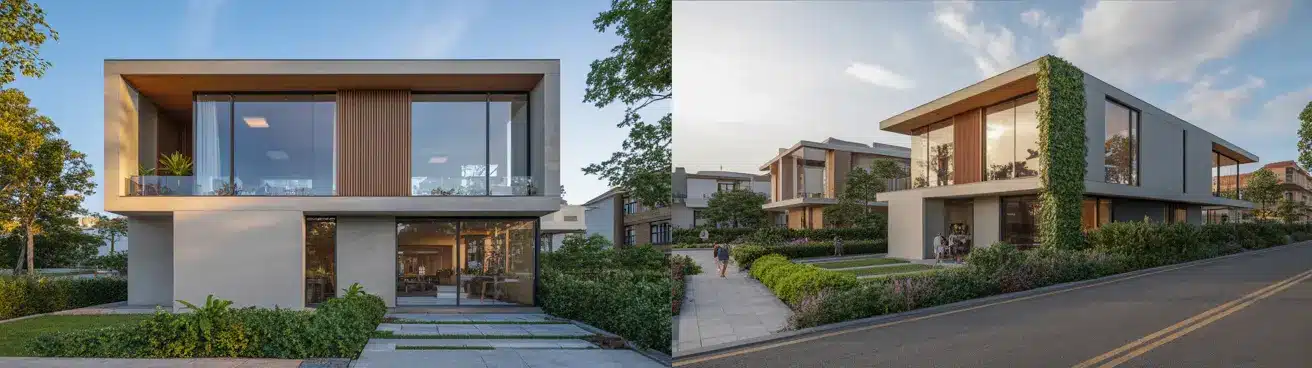
3D exterior rendering refers to the process of creating digital representations of the exterior of a building or structure. Using specialized software, architects and designers can produce highly detailed, photorealistic images that show how a building will look once completed. These renderings are created by applying textures, lighting, and materials to a 3D model of the building, providing a comprehensive view of how the structure will interact with its environment.
While traditional architectural drawings are often 2D and static, 3D architectural exterior rendering allows for dynamic, fully realized images of a building’s exterior, providing clients with an interactive and clear view of the final design. These renderings can be used in various stages of design, from early conceptualization to final presentation.
How Does 3D Exterior Rendering Work?
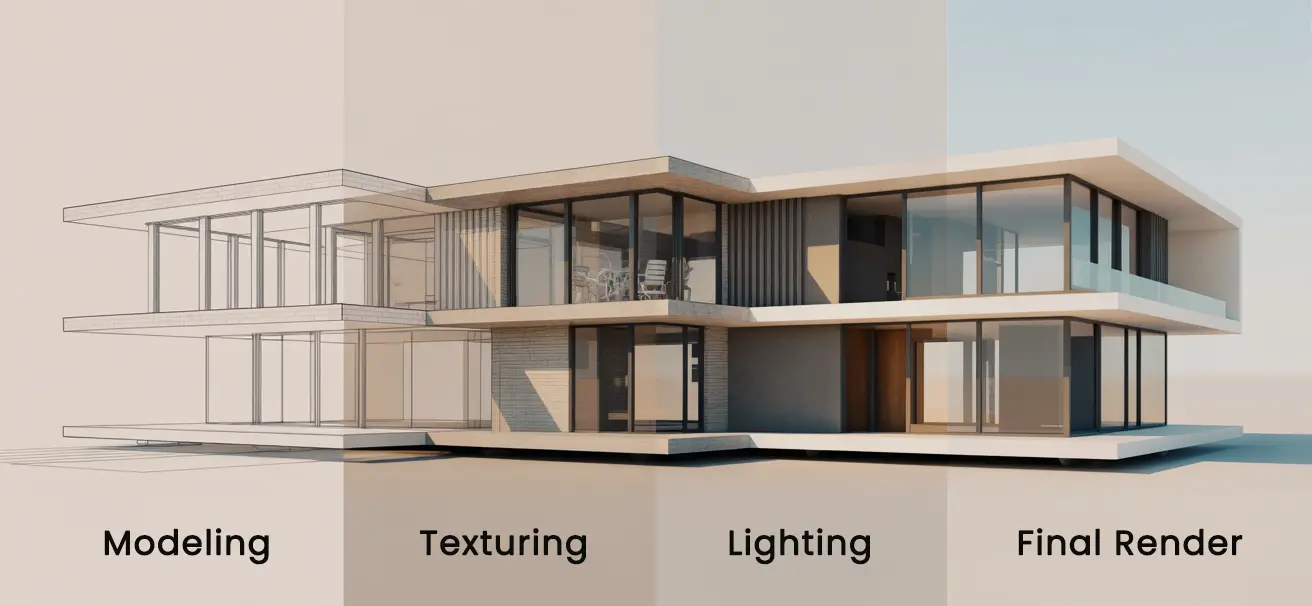
The process of 3D rendering typically involves several key steps:
- Modeling: The first step involves creating a 3D model of the building. This model includes the geometry, structure, and layout of the building, including walls, windows, doors, and roofs.
- Texturing: Next, textures are applied to the model to simulate real-world materials like brick, glass, wood, and metal. The choice of materials plays a crucial role in making the render look realistic.
- Lighting: Lighting is another critical aspect of exterior renderings. The lighting setup simulates how sunlight and artificial lighting will affect the building’s appearance at different times of the day. Proper lighting can drastically improve the realism of a render.
- Rendering: Once the model is built and textures are applied, the software processes the data and generates the final image. The rendering process involves calculating light, shadows, reflections, and textures, resulting in a photorealistic image or animation.
- Post-Processing: After the render is complete, post-processing can enhance the image, adjusting contrast, colors, and adding effects to achieve the desired look.
The Importance of 3D Exterior Rendering in Architectural Design
3D exterior rendering has moved well beyond a visual novelty — it is now a core part of how architects design, communicate, and win projects. Below are seven reasons why it matters, drawn from how the technology actually changes outcomes for architects, developers, and clients alike.
1. Transforms How Clients Understand a Design
Most clients are not trained to read technical blueprints or floor plans. A photorealistic 3D exterior render closes that gap instantly. When a client can see exactly how their building will look — the façade materials, the shadow patterns at dusk, the landscaping — they respond with clarity and confidence rather than uncertainty. This leads to faster approvals and fewer misunderstandings downstream.
Traditional 2D drawings require imagination to bridge the gap between a line on paper and a real building. 3D exterior rendering does that bridging for you, giving every stakeholder — from the property owner to the planning committee — the same shared visual reference.
2. Catches Design Problems Before They Become Construction Problems
Errors caught at the design stage cost a fraction of errors caught during construction. When a 3D rendering reveals that a roofline clashes with a neighbouring structure, or that a window placement creates an unwanted shadow pattern, those issues can be resolved in minutes inside the software. The same change on a construction site could mean days of rework and significant cost overruns.
3. Strengthens Client Communication and Collaboration
3D exterior rendering gives architects and clients a shared language. Instead of debating what “warm-toned cladding” means in the abstract, both parties can look at the same photorealistic image and discuss it concretely. Feedback becomes specific and actionable, revision cycles shorten, and the relationship between architect and client becomes more collaborative rather than transactional.
For projects involving multiple stakeholders — developers, investors, local councils, or planning boards — renderings also serve as a universal briefing tool, eliminating the need for each party to interpret the design independently.
4. Powers Real Estate Marketing Before a Brick Is Laid
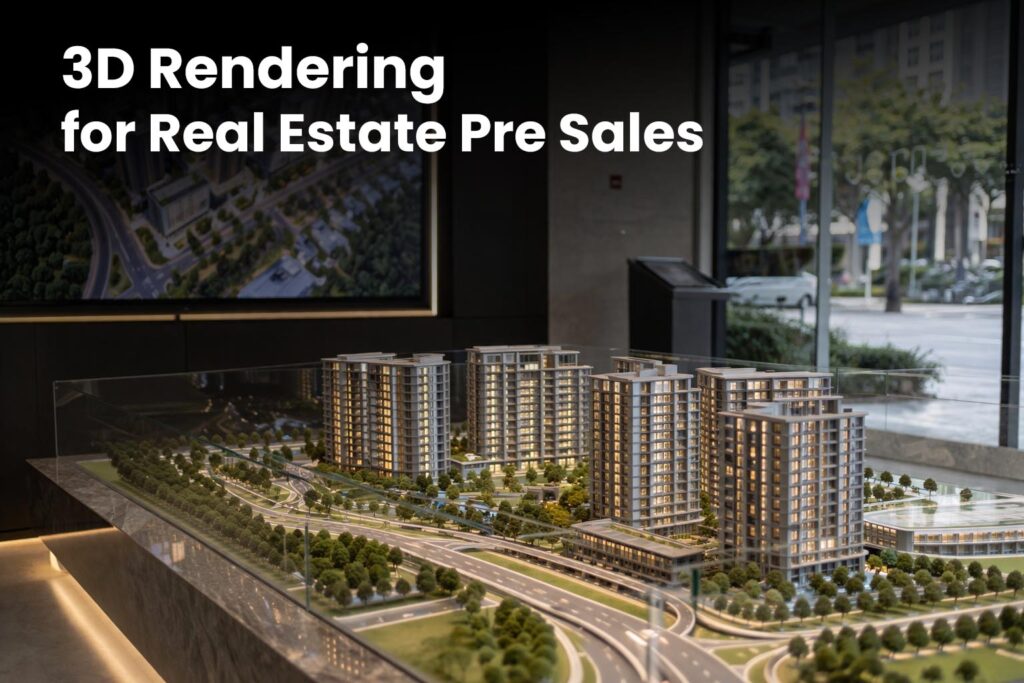
For developers, 3D exterior rendering is a direct revenue tool. High-quality renders allow properties to be marketed — and units sold — months or even years before construction completes. Pre-sales de-risk developments, secure financing, and allow pricing to be tested against actual buyer demand. Online listings that include photorealistic renders consistently outperform those with only floor plans or construction-site photography.
5. Supports Planning Approvals and Stakeholder Buy-In
Local planning authorities and community boards are increasingly expecting photorealistic visualizations as part of the approval process. A well-prepared set of 3D exterior renders — showing the building from multiple angles, at different times of day, and in context with its surroundings — demonstrates professionalism and helps decision-makers evaluate the proposal with confidence. Projects presented with high-quality renders tend to move through planning stages more smoothly than those relying on technical drawings alone.
6. Enables Material and Finish Exploration Without Physical Mockups
Choosing between brick and render, timber and glass, or matte and polished finishes traditionally required costly physical samples and mockups. With 3D exterior rendering, architects can test dozens of material and colour combinations on the actual building model in a fraction of the time. Clients can make confident, informed decisions about finishes before any materials are ordered or fabricated.
This capability is especially valuable for large commercial projects where façade material choices carry significant cost and long-term maintenance implications.
7. Creates Assets That Work Across Every Channel
A single high-quality 3D render can be repurposed across a project’s entire lifecycle: pitch decks for investors, planning submissions for local councils, brochures for buyers, social media content for marketing, and press releases for media. Unlike photography — which can only happen once a building exists — renders can be produced at any stage of a project and adapted for any format, making them one of the most versatile assets in an architect’s toolkit.
In short, 3D exterior rendering is not just about making things look impressive. It reduces risk, accelerates decisions, enables pre-sales, and improves every relationship in the design and construction process — from the first client meeting to the planning approval to the final handover.
Applications of 3D Exterior Rendering
Architectural Design and Development
For architects, 3D exterior rendering plays a critical role in both the conceptual and final stages of a project. During the early phases, it allows them to experiment with different architectural styles, materials, and layouts. In the later stages, it provides a clear, realistic vision of the final design that can be presented to clients and investors.
Marketing and Real Estate Sales
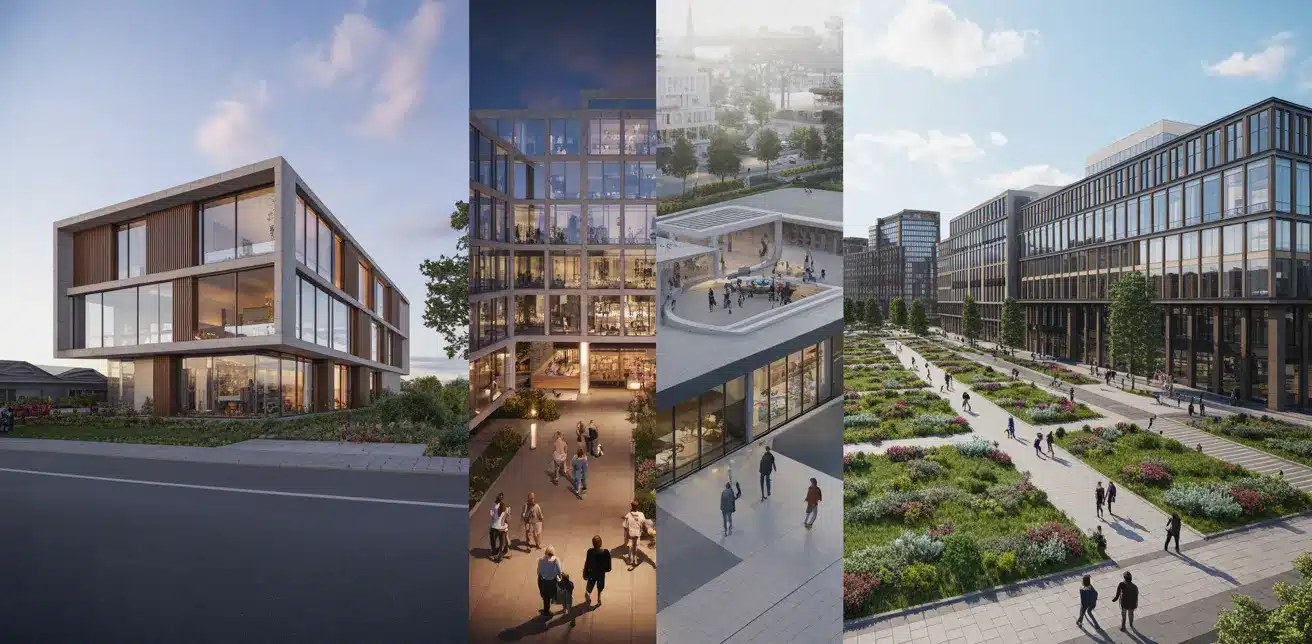
In the real estate industry, 3D rendering house exteriors has revolutionized how properties are marketed. Developers and real estate agents use exterior renders to create stunning visuals that showcase properties to potential buyers. These renderings are often used in online listings, brochures, and digital presentations, helping to sell properties faster and at higher prices by showcasing the potential of a home or building.
Urban Planning and Landscape Design
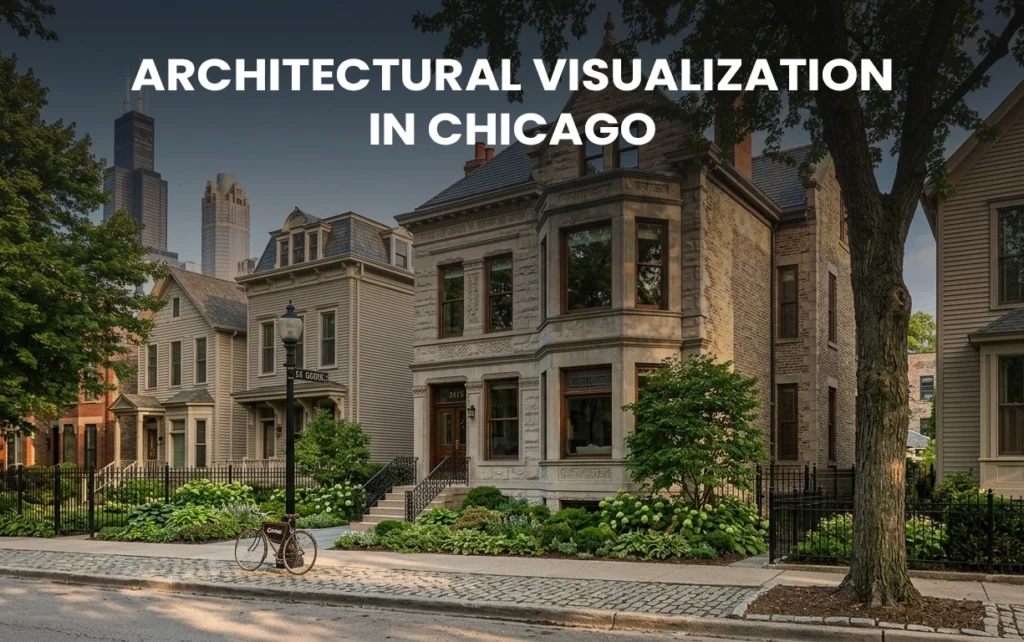
In urban planning and landscape architecture, 3D architectural exterior rendering allows professionals to visualize how a building will fit within its surroundings. By rendering the building alongside its environment, such as streets, parks, or neighboring structures, architects can better assess its impact on the local area and make informed design decisions.
Virtual Tours and Walkthroughs
3D exterior renderings can also be incorporated into virtual tours or walkthroughs, offering potential buyers an immersive experience. These virtual tours allow clients to explore the exterior and interior of a property remotely, enhancing their overall experience and speeding up the decision-making process.
Advantages of Using a Professional 3D Exterior Rendering Company
Expertise and Accuracy
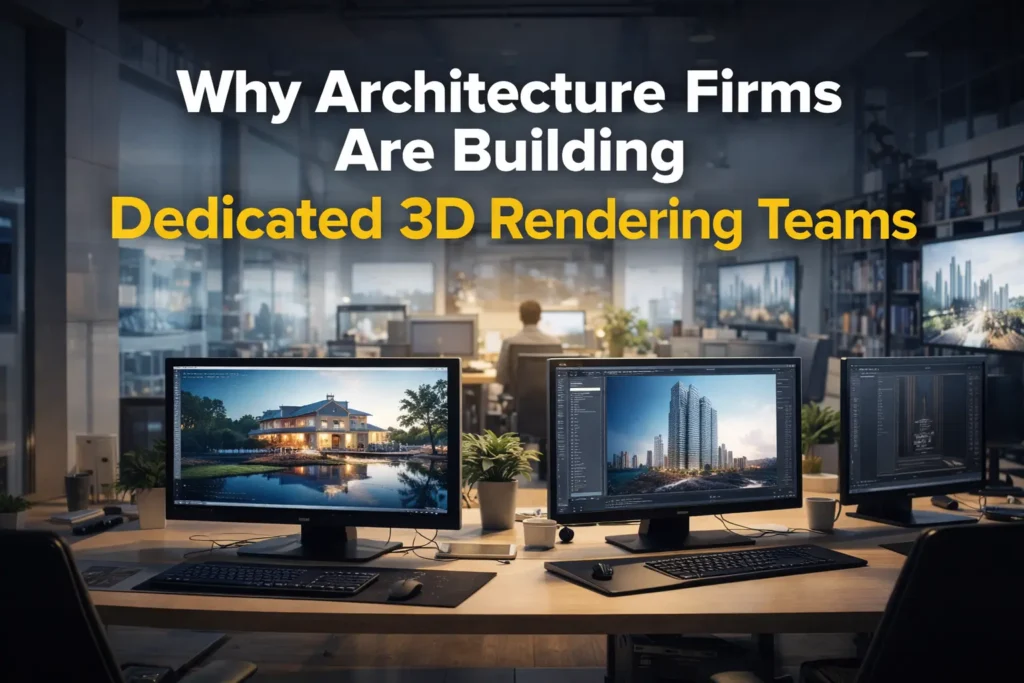
Hiring a professional 3D exterior rendering company ensures that your renders are accurate and high-quality. These companies use advanced software and have skilled designers who specialize in creating photorealistic visuals. Their expertise allows them to deliver renders that capture every detail of your design, from lighting and textures to intricate architectural elements.
Customization and Flexibility
A professional rendering service can tailor the exterior renderings to meet your specific needs. Whether you’re looking for a realistic view of a modern home, a classic building, or a commercial space, they can customize the render to showcase your design in the best light.
High-Quality Results
With access to the latest tools and technology, a professional company can deliver top-tier results that reflect the vision of the architect or designer. The quality of the renders can significantly influence the perception of a project by clients and stakeholders, making it a worthwhile investment.
Conclusion: Why 3D Exterior Rendering is Essential for Architectural Success
In conclusion, 3D exterior rendering has become an essential tool in architectural design, providing valuable insights during the design process and improving client engagement. By offering a realistic, detailed view of building exteriors, architects and designers can communicate their ideas more effectively and make more informed decisions. Whether for marketing purposes, client presentations, or design optimization, 3D exterior renderings enhance the overall architectural experience.
For those looking to showcase their designs in the best possible light, investing in 3D architectural exterior rendering services is a smart choice that will not only improve the design process but also increase the likelihood of project success.