Introduction
As you step into a beautifully designed building—an intimate home, a sophisticated office, or an awe-inspiring museum—you’re not only looking at walls, windows, and roofs. You’re engaging your senses with architectural design, an interplay between creativity, usability, and technical precision used to create spaces that motivate and accommodate people.
But what exactly is architectural design? How does it work, and why does it matter so much in today’s world? This guide breaks it all down—from the definition and design stages to the role of architects, the real-world benefits, and practical examples. Whether you’re a student, a client planning a project, or a design professional, this article gives you a clear, friendly, and expert look at the essence of architectural design.
Defining Architectural Design
Architecture design, in the simplest sense, is the science and the art of physical structures’ design which are functional and aesthetically satisfying. Here, it’s not just aesthetically satisfying buildings, but also buildings which are effective, sustainable, and safe to use by human beings.
An architectural design project considers:
- Form and Shape – The way the building appears and feels.
- Functionality – The ease spaces allow for daily living.
- Spatial Planning – Room, area, and circulation organization.
- Structural Integrity – Stability, strength, and engineering considerations.
- Aesthetics – Design language, material, and style.
- Sustainability – Energy efficiency, eco-friendly design.
Look upon it as the paradigm of human experiences of a space—an interplay of creativity and practical action.
Stages of Architectural Design Process
All successful structures undergo a systematic design procedure. Though specifics differ, the majority of initiatives proceed through the following five stages:
1. Conceptual Design
This brainstorming stage combines the client’s vision and the architect’s imagination. Large ideas are expressed through sketches, rough plans, and mood boards. These are about ideas of possibility, prior to refinement of detail.
2. Schematic Design
Here, ideas become preliminary plans and 3D images. The space distribution, circulation, and rough proportions are decided by the architect. This enables the client to visualize how ideas are converted into real-world plans.
3. Design Development
At this point, the architect hones details: material, lighting, ventilation, and structural issues. Interactions with engineers, consultants, and interior designers confirm feasibility.
4. Construction Documents
Architects prepare detailed technical drawings, blueprints, and specifications. These documents are essential for contractors to accurately price and build the project.
5. Construction & Execution
The design materializes onsite. The architect might drop by from time to time to verify the construction maintains the design intent, while contractors are responsible for actual construction.
Architect vs. Architectural Designer
While the terms may sound interchangeable, there are key differences:
- Architect – A professionally licensed individual who has received formal training, passed the licensing exams, and may lawfully administer building construction projects.
- Architectural Designer – A design specialist who works on creative concepts but may not hold a license. They often support architects or focus on specific areas like interiors or residential layouts.
Both roles are valuable, but legal responsibility for safety and compliance rests with licensed architects.
Learn more at the National Council of Architectural Registration Boards
Importance of Architectural Design
Good architectural design isn’t just about appearances—it shapes how we live, work, and interact.
Improving Aesthetics & Usability
Well-designed spaces simplify and delight the human experience. From the natural lighting of residential spaces to the ergonomically designed office spaces, design itself impacts comfort and effectiveness directly.
Promoting Sustainable Architecture
Current architecture focuses on green building design: the use of solar energy, natural ventilation, reuse of materials, and the minimization of carbon footprints. Design becomes environmentally responsible and cost-efficient.
Boosting Real Estate Value
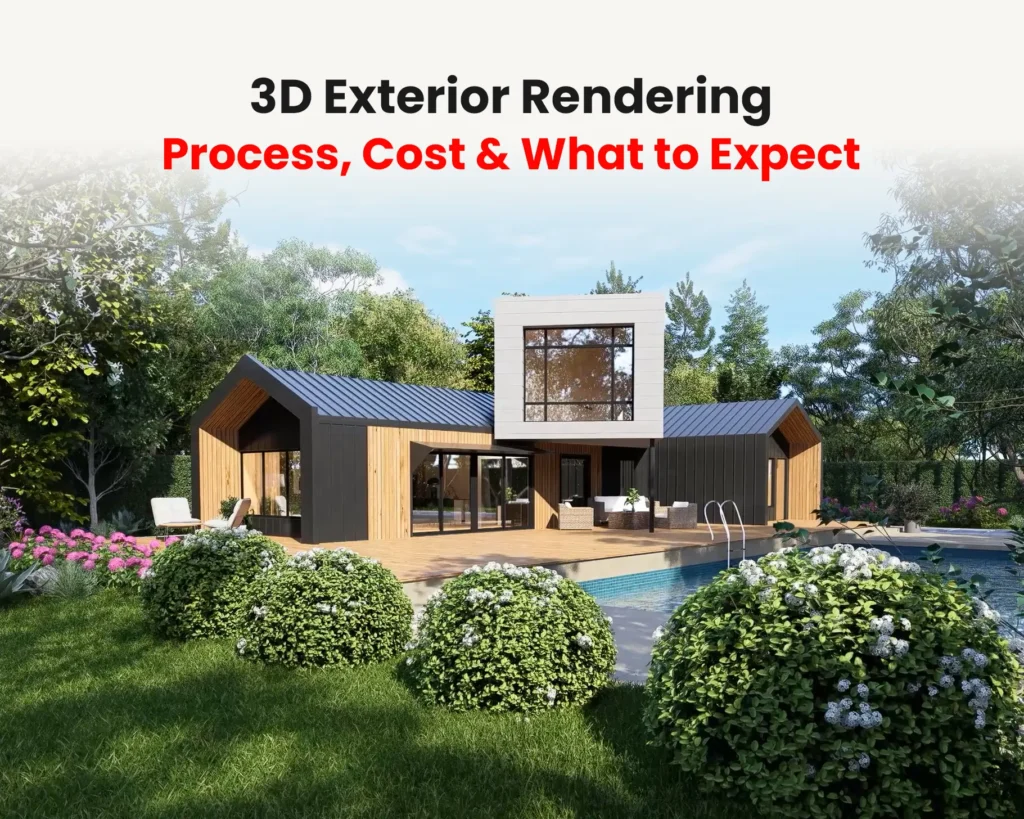
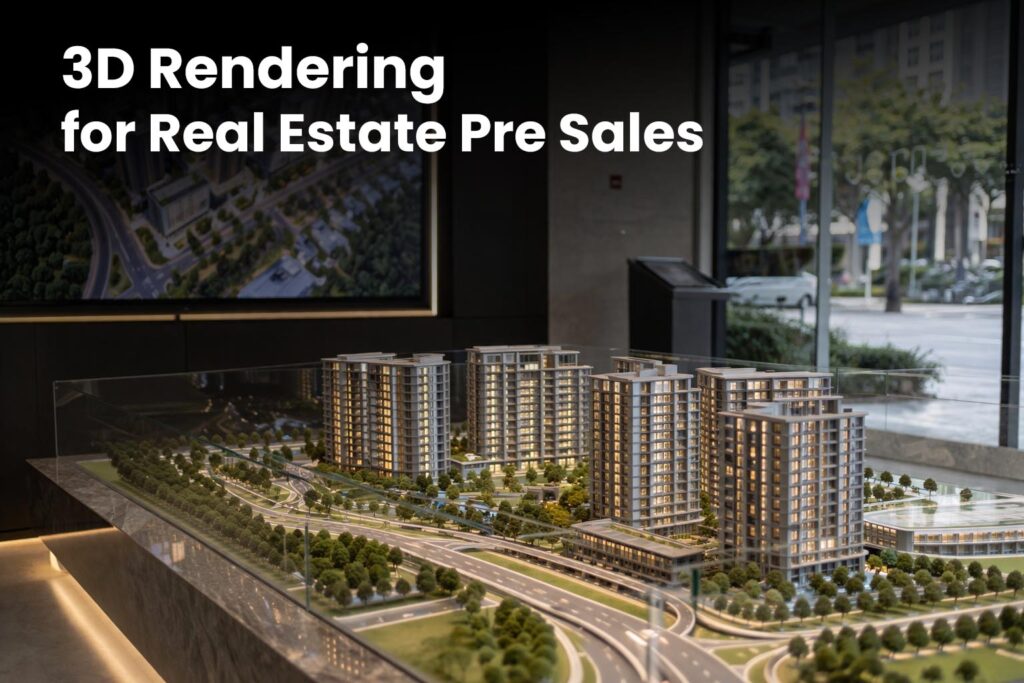
Properties with intelligent, considerate design are worth more when selling. A house equipped with practical layouts and energy-efficient design attracts buyers and investors better. 3D exterior rendering plays a growing role here too, letting developers market a property’s design and value long before construction is complete.
Real-World Examples of Architectural Design
The Guggenheim Museum, New York – A bold spiral form by Frank Lloyd Wright that redefined museum design.

Fallingwater House, Pennsylvania – Merging nature with contemporary living, exemplifying coexistence with landscapes.

Apple Park, Cupertino – A future-oriented circular campus dedicated to the environment and technology.

These illustrations demonstrate the fact that building design converts plain structures into cultural and functional icons.
Some Common Mistakes in Architectural Design
Even talented designers can make missteps:
- Ignoring the requirements of the end-user – Putting style before substance.
- Overcomplicating spaces – Making layouts confusing or inefficient.
- Poor material choice – Aesthetic appeal over long-term performance.
- Lack of collaboration – Bypassing input from contractors and engineers.
Tips to Improve Architectural Design
- Research user behavior – Determine how individuals will engage with the space.
- Embrace technology – Employ BIM (Building Information Modeling) and VR (virtual reality) for precision.
- Prioritize sustainability – Choose energy-efficient and recyclable building materials.
- Collaborate early – Get engineers, clients, and contractors engaged from the beginning.
Conclusion: Why Architectural Design Matters
Architecture design isn’t about structures, it’s about the design of human experience. From the initial sketch to the building site, the procedure combines creativity, technology, and function to create spaces which endure through generations.
No matter if you’re an entry-level student, a client about to embark on your first project, or a professional looking to refine your skills, understanding the basics and the worth of architectural design enables you to look beyond structures and consider buildings as living, breathing artwork.