The real estate market is fierce—and first impressions matter. Virtual Staging with 3D Furniture offers a cost-effective, visually stunning way to present properties, transforming bare rooms into stylish, aspirational spaces. This blog explores how these techniques help real estate professionals and property owners showcase listings, attract more buyers, and sell faster.
What Is Virtual Staging with 3D Furniture?
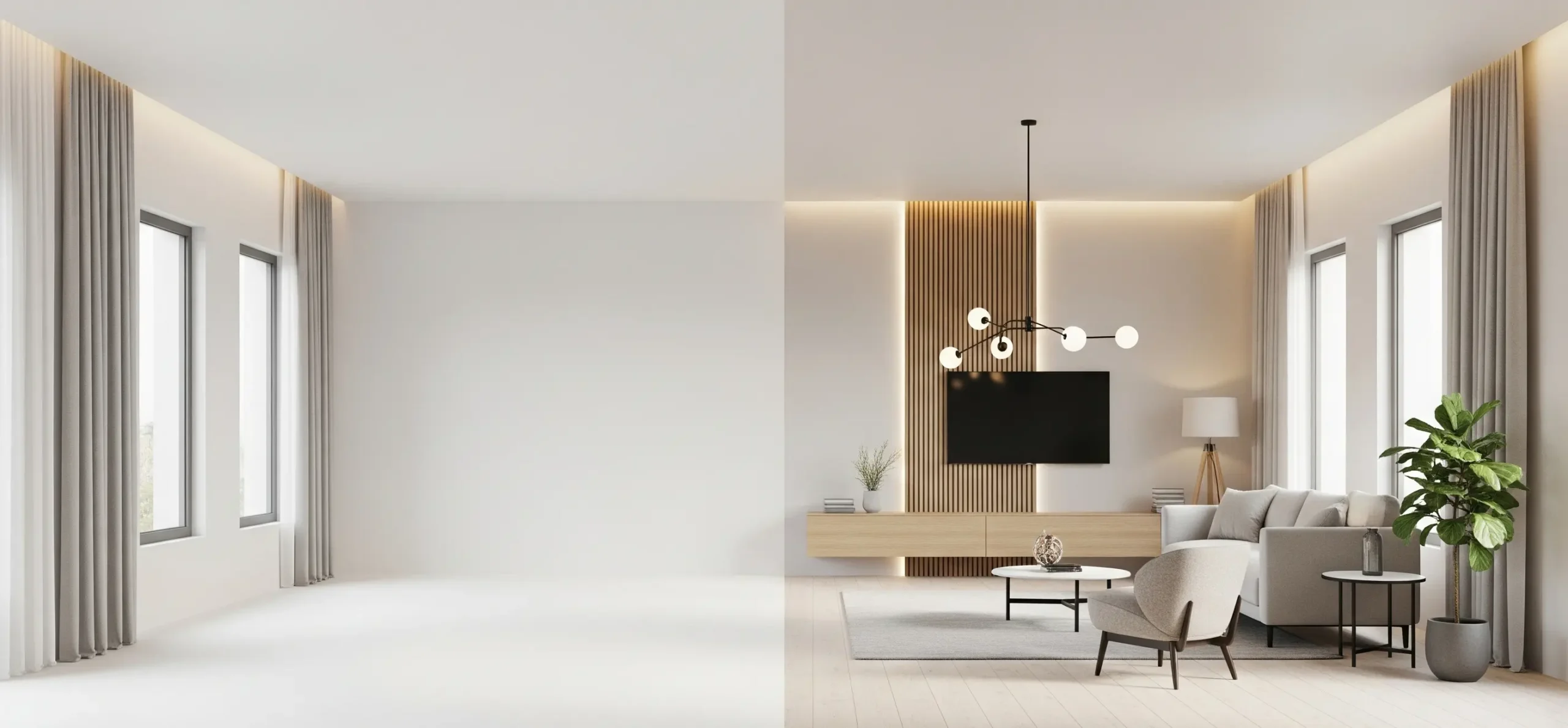
Virtual staging with 3D furniture is the process of digitally furnishing a property using realistic 3D models instead of physical furniture. By adding furniture, décor, and accessories to photos or 3D-rendered interiors, vacant spaces can be transformed into visually appealing environments that help buyers better understand the layout, scale, and potential of a property.
Unlike traditional staging, virtual staging does not require furniture rental, transportation, or installation, making it a more efficient and cost-effective solution for real estate marketing. It is commonly used for property listings, brochures, websites, and advertising campaigns to present homes in a more attractive and marketable way.
Why Virtual Staging Outperforms Traditional Staging
Helps Buyers Visualize the Space
One of the biggest challenges of marketing vacant properties is helping buyers imagine how the space can be used. Virtual staging solves this by adding realistic 3D furniture and décor, making rooms feel more functional, inviting, and easier to understand.
Greater Flexibility for Marketing
With virtual staging, the same room can be presented in multiple styles to appeal to different target audiences. A living room, for example, can be staged with a modern, minimalist, or luxury aesthetic without making any physical changes to the property.
More Cost-Effective Than Physical Staging
Traditional staging involves furniture rental, transportation, installation, and removal costs. Virtual staging eliminates these expenses while still providing high-quality marketing visuals that enhance property listings.
Faster Turnaround and Easier Updates
Design changes can be made quickly without moving physical furniture. This allows real estate professionals to update marketing materials efficiently and adapt visuals for different campaigns or platforms.
Ideal for Digital Property Marketing
Since most property searches begin online, professionally staged visuals can significantly improve the presentation of listings. Virtual staging helps vacant properties stand out in crowded marketplaces and creates a stronger first impression for potential buyers.
Key Benefits of Virtual Staging for Sellers
- Cost Efficiency
- No shipping, rental, or setup fees
- One-time digital staging suitable for multiple photos
- Speed & Flexibility
- Fast edits: swap colors, layouts, or styles instantly
- Revisions available without labor overhead
- Broader Buyer Appeal
- Tailored designs attract diverse demographics—from millennials to empty-nesters
- A consistent, aspirational aesthetic across marketing photos
- Reduced Vacancy Time
- Professionally staged listings get more clicks, showings, and ultimately, offers—often at or above asking price.
How 3D Rendered Furniture Enhances Visual Appeal
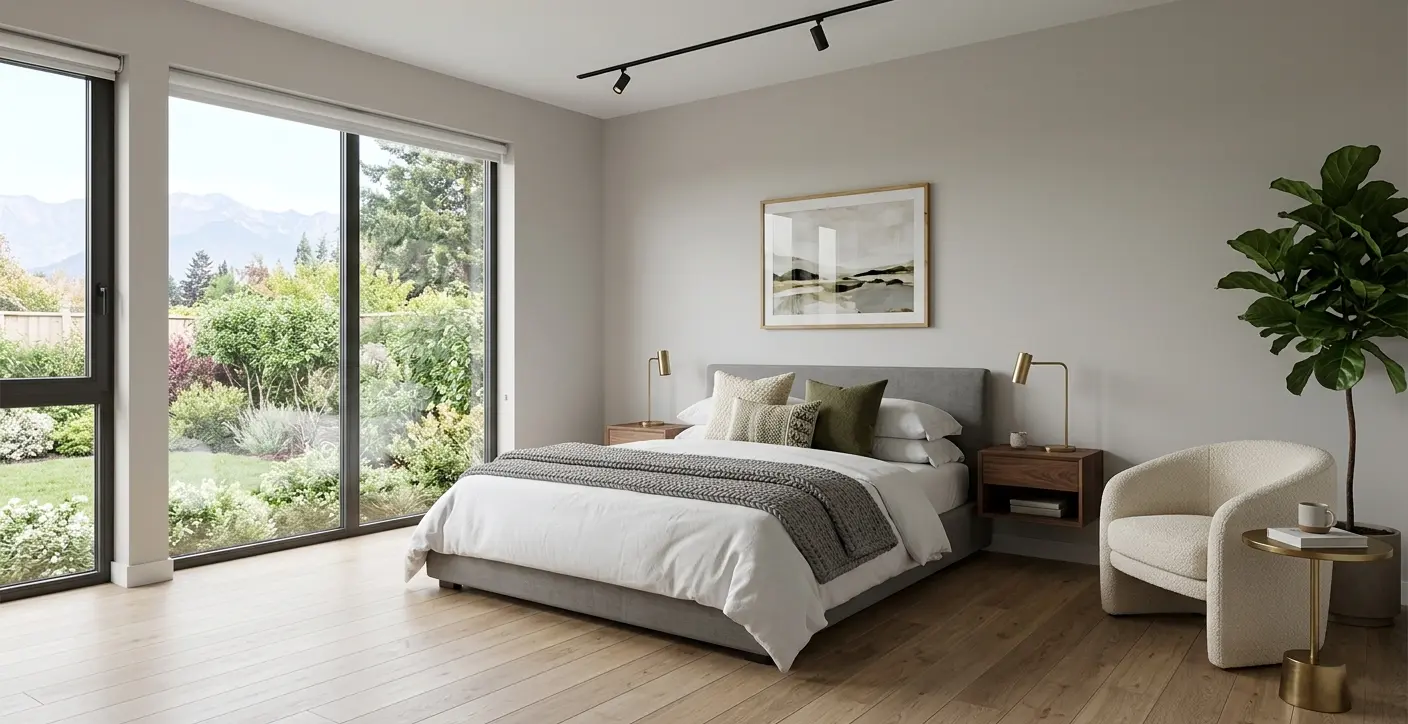
Makes Empty Spaces Easy to Interpret
Empty interiors often make it difficult for viewers to understand room size, layout, and functionality. 3D rendered furniture solves this by adding accurate scale references, helping viewers quickly understand how the space is structured and how it can be used in real life.
Creates a Clear Lifestyle Context
Instead of showing an unused space, 3D furniture introduces a practical living scenario. This helps buyers and viewers understand how a room functions—whether it is a living room, bedroom, or office—making the property easier to relate to and evaluate.
Improves Visual Composition in Marketing Images
Furniture placement in 3D rendering is designed to support strong composition. Proper balance between objects, spacing, and focal points improves visual clarity, making the overall scene more structured and suitable for marketing use in listings, ads, and presentations.
Enhances Material and Design Perception
3D rendered furniture allows materials such as fabric, wood, metal, and glass to be displayed with high accuracy. This improves how design quality is perceived, helping viewers better understand product finishes, textures, and overall craftsmanship.
Supports Faster Buyer Understanding and Engagement
When spaces are visually clear and well-structured, viewers spend less time trying to interpret the room and more time engaging with the property. This improves listing performance by increasing attention, reducing confusion, and supporting quicker decision-making.
Quick Comparison Table
| Feature | Empty Listing | Virtual-Staged Listing |
| Listing Views | Moderate | +50–70% |
| Showings Scheduled | 2–3 per week | 5–7 per week |
| Time on Market | 60 days avg | 15–30 days |
| Sale Price vs. Ask | Often below | At or above asking |
Our Virtual Staging Process
- Room Analysis & Input Review
We start by analyzing the empty room, including camera angle, lighting, and spatial layout to ensure accurate staging alignment. - 3D Furniture Selection or Modeling
Based on the project requirement, we select from existing high-quality 3D furniture models or create custom assets with correct scale and detail. - Scene Composition & Layout Setup
Furniture is placed into the space with proper proportions, realistic spacing, and balanced composition to match real interior functionality. - Lighting, Materials & Rendering
Lighting is matched with the original environment, materials are refined for realism, and the final scene is rendered in high resolution. - Final Delivery & Output Optimization
The final images are optimized for web and print use, ensuring high clarity and visual consistency for real estate listings and marketing platforms.
ROI: How Staged Listings Sell Faster
Virtual staging using 3D furniture improves listing performance by increasing visibility, improving buyer understanding, and reducing the time a property stays on the market. In real estate marketing, even small improvements in engagement can significantly impact final conversion outcomes.
- Listings with staged visuals typically receive higher click-through rates (CTR by ~20%–60%) compared to empty rooms on property platforms, because buyers are more likely to engage with visually complete spaces.
- According to multiple real estate marketing reports, staged properties can sell 30%–75% faster than non-staged listings, largely due to improved first impressions and clearer spatial understanding.
- Virtual staging helps reduce “uncertainty delay”—buyers spend less time trying to interpret empty spaces, which can shorten decision cycles from weeks to days in competitive urban markets.
- Well-staged listings often increase perceived property value, with some studies showing buyers are willing to view staged homes as more desirable, sometimes influencing up to 1%–5% stronger offer ranges depending on market conditions.
- Compared to traditional staging (which can cost $1,500–$5,000+ per property per month in many markets), virtual staging significantly reduces upfront marketing costs while allowing multiple design variations from a single base image.
- Faster engagement on listing platforms (more saves, inquiries, and viewing requests) improves algorithmic visibility on property portals, further increasing exposure without additional ad spend.
- Because the same property can be staged in multiple styles (modern, luxury, minimalist), agents can target different buyer segments without additional physical setup costs.
Conclusion & Next Steps
Virtual staging with 3D furniture offers a modern, cost-effective, and visually stunning tool to help properties stand out—and sell faster. From rapid turnaround to tailored styles that speak to your ideal buyer, this is staging made simple, smart, and strategic.
Ready to elevate your listings?
Let’s connect! Drop a line for a free consultation or sample render today.