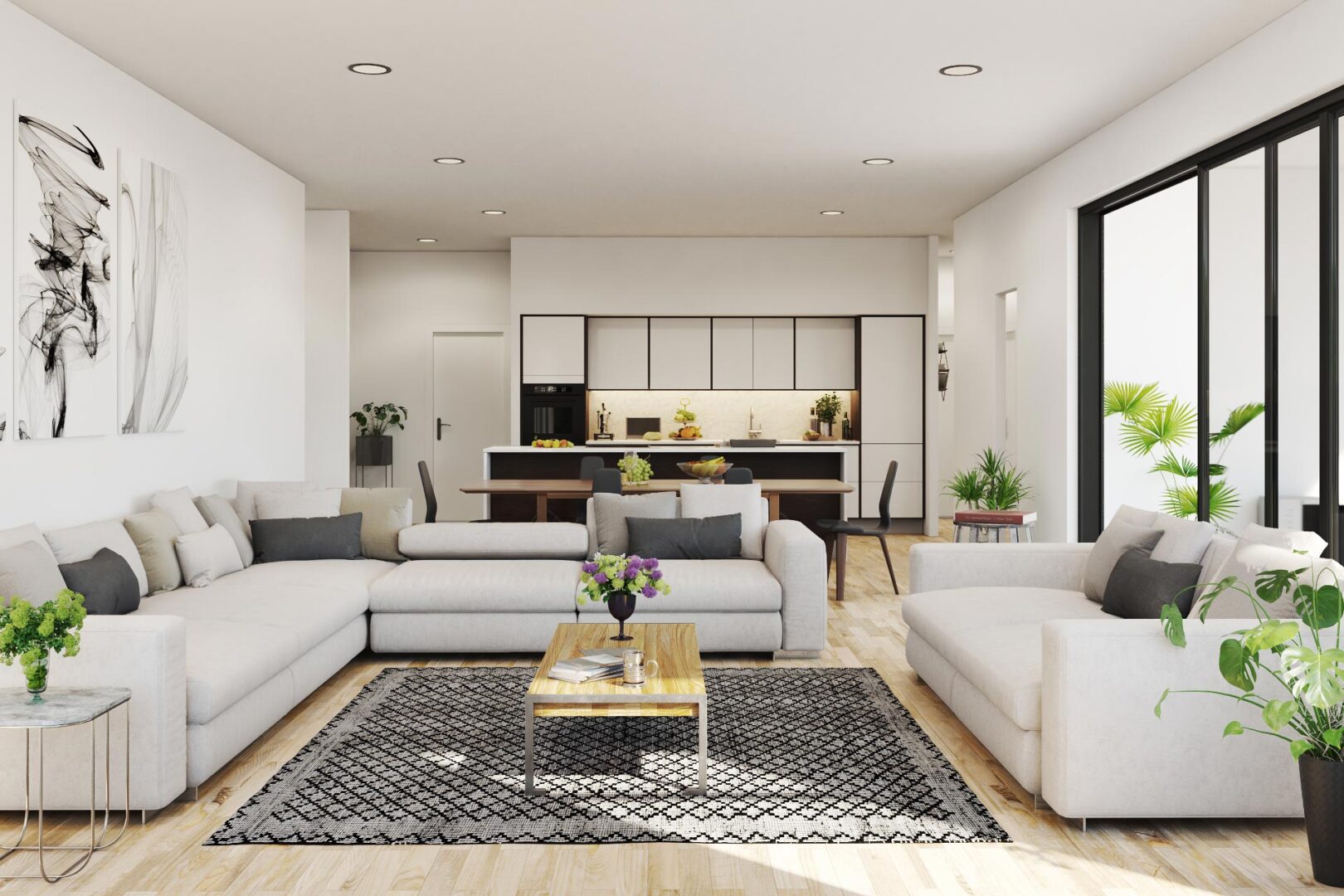
In today’s competitive real estate market, standing out is essential. 3D interior rendering for real estate has become one of the most effective tools for property marketing — helping agents and developers showcase spaces with photorealistic clarity, improve buyer engagement, and close deals faster.
This post breaks down exactly how 3D interior rendering for real estate speeds up property sales, and where it fits into a modern listing strategy.
What Is 3D Interior Rendering for Real Estate?
3D interior rendering services for real estate is the process of creating photorealistic digital representations of interior spaces before or during a property listing. These renders let potential buyers visualize layout, lighting, and design long before they ever step inside — or in the case of pre-construction properties, before the space even exists.
For agents and developers, this means listings can go live with polished, professional visuals instead of relying solely on empty-room photography or waiting on physical staging.
How It Accelerates Property Sales
1. Enhanced Visualization of Interior Spaces
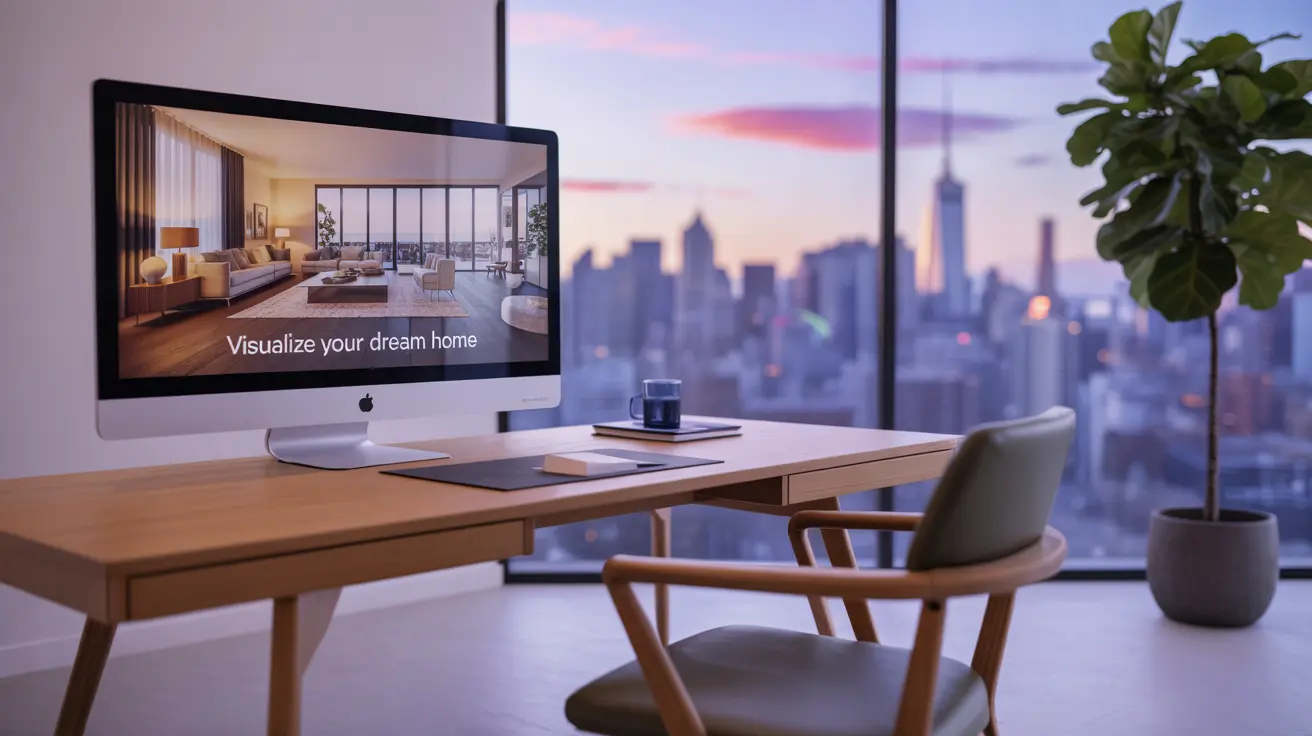
Traditional photography captures a room as it is — flat, limited, and often unstaged. 3D interior rendering for real estate brings a space to life with accurate lighting, materials, and furnishing, showing buyers the full potential of a room rather than an empty shell.
2. Virtual Tours and Remote Viewings
Many buyers now shortlist properties before ever visiting in person. Renders built for virtual tours let them explore a space at their own pace — zooming into finishes, testing different layouts, and getting a real feel for scale. This is especially valuable for international or out-of-town buyers who can’t view in person early in the decision process.
3. Boosting Engagement and Buyer Confidence
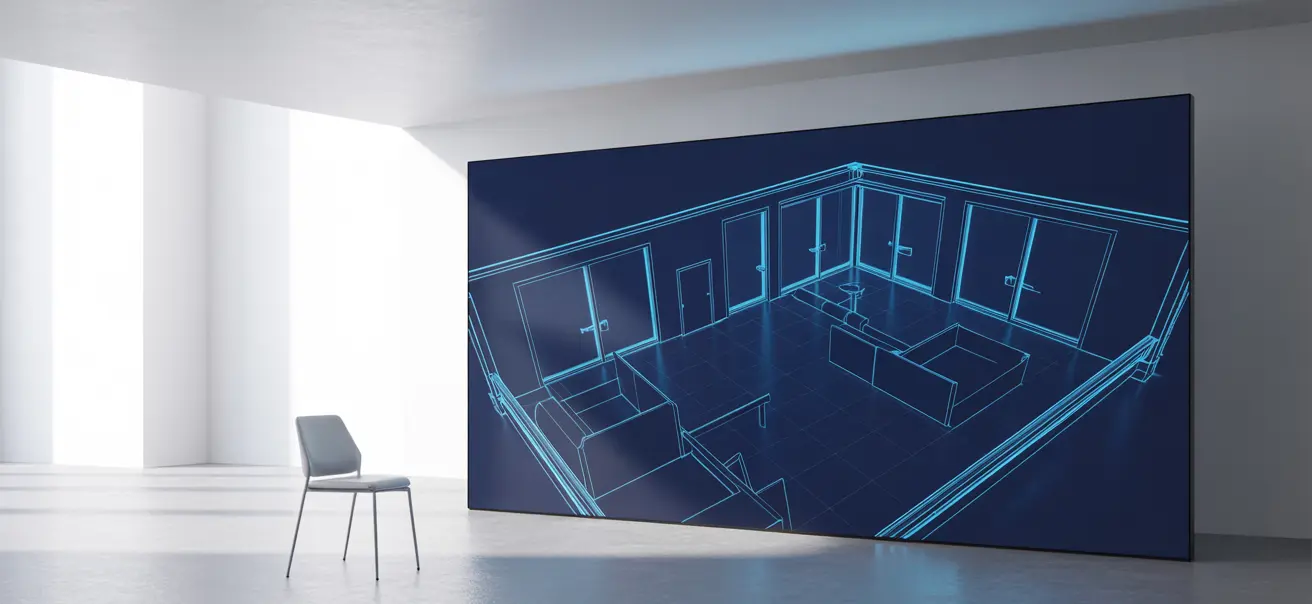
Interactive floor plans and virtual staging give buyers the ability to picture different furniture arrangements and design directions in the same space. Learn more in our related post on how virtual staging with 3D furniture helps sell properties faster.
The Role of Rendering in Property Marketing
4. Photorealistic Visuals for Stronger Listings
High-quality renders don’t just look good — they extend across every marketing channel, from listing photos to social media to digital brochures, with careful attention to lighting, shadows, and material accuracy in every frame. Buyer behavior data from the National Association of REALTORS® consistently shows that strong listing visuals play a major role in how quickly buyers narrow down homes to visit.
5. Time and Cost Savings Over Physical Staging
Physical staging means renting furniture, coordinating delivery, and paying for setup and teardown — often for a single photoshoot. Virtual staging through 3D interior rendering for real estate delivers the same visual impact without the logistics, and design changes can be made in hours, not days.
6. Higher Conversion Rates
Listings with high-quality 3D renders tend to convert better — buyers can picture themselves in the finished, furnished space rather than guessing from an empty room. That clarity shortens the path from interest to scheduled viewing to offer.
Why It Matters for Real Estate Listings
7. Elevating Listing Appeal
In a crowded market, first impressions decide whether a buyer clicks into a listing or scrolls past it. Detailed, well-lit interior renders make a property stand out — highlighting a standout kitchen, a bright living room, or a well-proportioned bedroom in a way flat photography often can’t.
8. Simplifying the Buyer’s Decision
When a space is rendered clearly and realistically, buyers spend less time guessing and more time deciding. That clarity is often the difference between a listing that gets an offer quickly and one that lingers on the market.
Frequently Asked Questions
How much does 3D interior rendering for real estate cost?
Pricing depends on room complexity, number of views, and turnaround time. Most single-room interior renders range from a few hundred to over a thousand dollars per space, with multi-room listings typically priced as a package.
How long does it take to get 3D interior renders for a listing?
Turnaround typically runs a few days to about a week per space, depending on complexity and how many revision rounds are included. Rush delivery is often available for time-sensitive listings.
Can 3D interior rendering replace real photography for listings?
It works best alongside real photography, not as a full replacement — especially for occupied or already-built properties. For pre-construction or unfurnished spaces, rendering is often the only way to show a finished look before the space physically exists.
Do virtually staged or rendered images need to be disclosed to buyers?
Yes. Most MLS systems and real estate boards require virtually staged or rendered images to be clearly labeled as such in the listing. Rules vary by state and MLS, so agents should confirm local disclosure requirements before publishing.
What’s the difference between virtual staging and 3D interior rendering?
Virtual staging typically edits existing photos to add furniture into a real room. 3D interior rendering builds the space from scratch digitally — useful for pre-construction properties, renovations, or spaces that don’t yet physically exist in their final form.
Conclusion
3D interior rendering for real estate has become a genuine competitive advantage — not just for how properties look, but for how quickly they sell. Through realistic visualization, virtual staging, and interactive tours, these renders help buyers make confident decisions faster, shortening the sales cycle for agents and developers alike.
If you’re ready to see how 3D interior rendering for real estate can strengthen your next listing, explore our 3D Interior Rendering Services to get started.