In the highly competitive world of furniture marketing, visual appeal plays a pivotal role in attracting potential buyers. As consumers increasingly rely on digital platforms to explore and purchase furniture, brands need innovative ways to capture attention and engage customers. One such innovation is 3D rendering in furniture marketing—a transformative tool that has changed the way furniture is presented, sold, and marketed online.
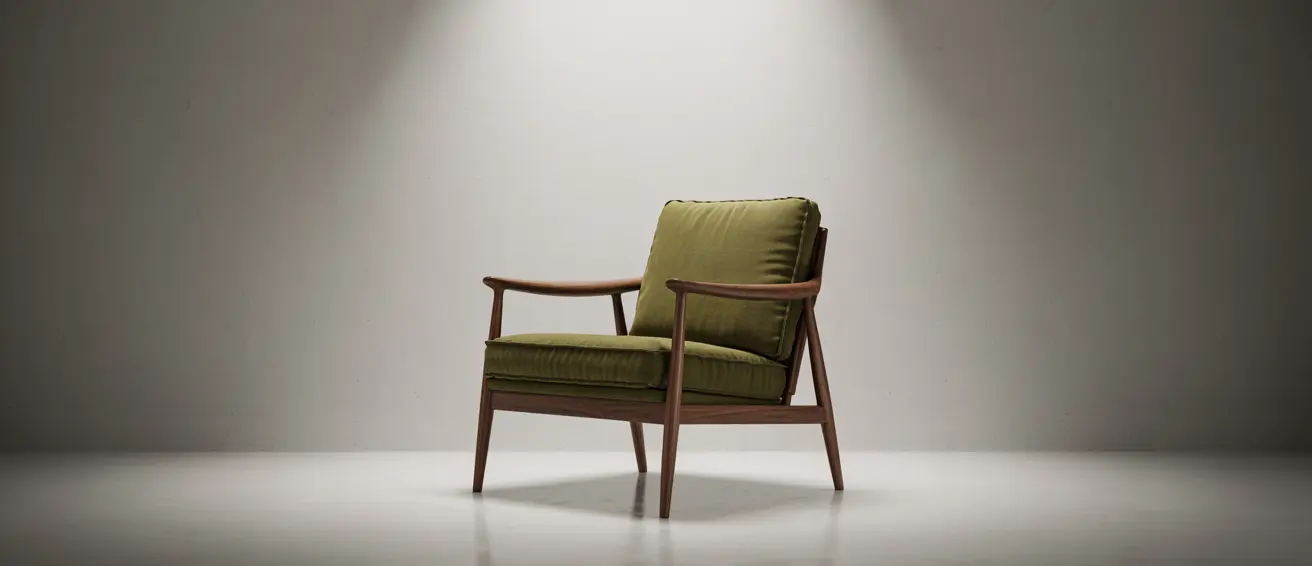
3D rendering turns a furniture design into a photorealistic image before a single unit is manufactured — and its role in marketing goes well beyond replacing a photoshoot.
In this blog, we will explore how 3D rendering can elevate your furniture marketing strategy, its benefits, and why it’s a must-have in today’s digital era.
The Role of 3D Rendering in Furniture Marketing
a) Awareness — getting noticed
A styled, photorealistic render stands out in a crowded Instagram feed or catalog page in a way flat product photography often can’t on a limited budget. Lighting, materials, and staging can be pushed further creatively without the cost of a physical set build.
b) Consideration — building trust before purchase
Once a shopper stops scrolling, the next question is whether the product will actually look like the photo. 3D rendering closes that gap — the same model can be shown in every finish, every configuration, and every room setting a buyer might want to see, without waiting on a reshoot for each variant.
c) Conversion — turning browsing into buying
This is where the impact is measurable, not just aesthetic. Shopify’s own data shows merchants who add 3D content to their product listings see a 94% higher conversion rate on average compared to static images alone — and for furniture specifically, where buyers can’t sit on or touch a piece before ordering, that visualization gap is exactly what 3D rendering closes.
It’s faster to produce, too. Switching from a traditional photoshoot to 3D rendering typically looks like this:
| Traditional Photography | 3D Rendering (4dviz — Product & Furniture Rendering) | |
|---|---|---|
| Starting price | Studio + styling + shoot day + retouch, repeated per reshoot | Basic $25 · Standard $35 · Premium $45 per model |
| Delivery time | Typically 2–4 weeks (booking + shoot + post) | 2–3 business days |
| Revisions after delivery | Requires a reshoot | 2 rounds included (Basic/Standard), unlimited on Premium |
| New color/scene variant | New shoot needed | Same 3D asset, re-rendered |
d) Retention — reusing one asset across campaigns
The same 3D model gets reused for a seasonal campaign, a new upholstery color, or a different room setting — with no new production cost each time. This is where the cost advantage compounds: a single model built once can keep generating fresh marketing content across a product’s entire lifecycle.
The Role of 3D Rendering Across Channels
Instagram and social feed
A short, looping 360° spin or a lifestyle scene animation holds attention longer than a static post in a feed built for motion. Because the model already exists, the same asset can be re-lit or re-staged for a new campaign without shooting anything new — useful for brands posting frequently and needing fresh content on a tight schedule.
Product detail page (PDP)
Here the priority shifts from motion to detail: a photoreal static hero shot plus zoomable close-ups on texture and finish. This is the moment a shopper is deciding whether to trust the product enough to buy — the same visualization-gap problem the Conversion section above addresses, just at the individual product-page level rather than the discovery stage.
Print or PDF catalog
Catalogs need visual consistency across dozens or hundreds of SKUs — same lighting, same background, same angle — something a multi-day photoshoot across many products often struggles to keep uniform. Because every piece is rendered from the same lighting setup, an entire catalog stays visually consistent even if it’s produced in batches over time.
AR app or Shopify 3D viewer
This is the one channel that photography can’t serve at all — an optimized, lightweight 3D model (GLB/USDZ) lets a shopper place the piece directly in their own room via their phone. For furniture specifically, where scale and fit are the biggest sources of buyer hesitation and returns, this is often the highest-impact channel per model produced, even if it reaches fewer people than social content.
| Platform | Best render type | Primary role |
|---|---|---|
| Instagram / social feed | Looping 360° spin or lifestyle animation | Awareness, frequent fresh content |
| Product detail page | Photoreal static hero + zoomable detail | Consideration, trust before purchase |
| Print / PDF catalog | Flat-lit, consistent set across full range | Brand consistency at scale |
| AR app / Shopify 3D viewer | Optimized low-poly GLB/USDZ | Conversion, reducing size/fit hesitation |
How 3D Rendering Can Enhance Social Media and Catalogs
Social Media:
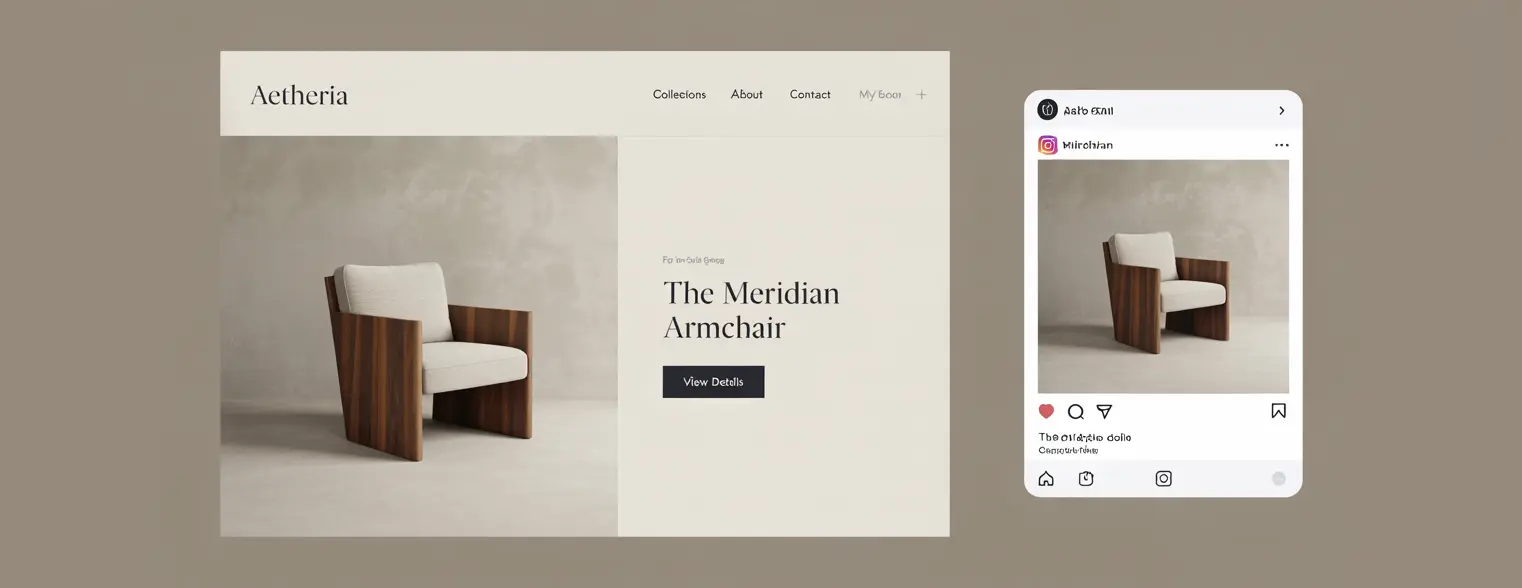
With millions of consumers spending time on social media platforms, furniture brands must leverage these channels to connect with potential customers. 3D rendered images and videos are highly effective on social media because they are eye-catching, shareable, and easily adaptable to various platforms. Brands can showcase product features and details through 3D animations or 360-degree views, making the posts more interactive and engaging.
Furniture Catalogs:
A key component of furniture marketing with 3D rendering is its use in digital catalogs. Traditional catalogs often struggle to showcase the full range of a brand’s products effectively, especially if the collection includes variations in material, size, and design. With 3D rendering, furniture brands can create detailed catalogs that give consumers a realistic preview of every variation without physically photographing each one.
Optimizing 3D Rendering for Your Furniture Brand
While 3D rendering in furniture marketing offers numerous advantages, maximizing its impact requires a well-thought-out strategy. Here are some best practices to ensure you’re getting the most out of 3D rendering:
1. Focus on Quality
Ensure that the 3D renders are of the highest quality possible. The textures, lighting, and detail should match the physical product to ensure that customers can accurately visualize the furniture in their homes.
2. Use 360-Degree Views
Incorporating 360-degree views into your 3D rendered visuals can provide a more interactive and immersive experience for customers. This is especially useful for complex furniture items like sofas, chairs, or tables, where multiple angles help potential buyers make more informed decisions.
3. Combine Renders with Augmented Reality (AR)
Combining 3D renders with AR is a powerful marketing strategy. AR allows customers to see how furniture would look in their actual living spaces, adding a layer of personalization and confidence in the purchasing decision. Many furniture brands now offer AR features through their mobile apps, allowing customers to place virtual furniture pieces in their homes.
To create high-quality 3D rendered images for furniture marketing, it’s essential to follow a clear and structured approach. If you’re looking for a step-by-step guide to perfecting your 3D renders, our Complete 3D Furniture Rendering Guide (10-Step Process) provides detailed instructions to help you get started.
Conclusion
3D rendering in furniture marketing is more than just a tool—it’s a game-changer for furniture brands aiming to stay competitive in an increasingly digital world. From enhancing the visual appeal of furniture to saving costs and time, 3D rendering offers a wide range of benefits. By embracing this technology, furniture brands can create more engaging and realistic marketing experiences that resonate with customers, ultimately boosting sales and brand loyalty.
As consumers continue to seek out better online shopping experiences, the brands that leverage 3D rendering will be better equipped to meet their needs and stand out in the crowded marketplace.
Ready to see this in action for your own catalog? Explore 4dviz’s 3D furniture rendering services