In today’s highly visual digital economy, businesses no longer rely solely on traditional photography or in-house design teams to create compelling product visuals. From furniture manufacturers to real estate developers and architecture firms, companies are increasingly turning to outsourced 3D modeling services to stay competitive, reduce costs, and scale faster.
But when exactly should a company outsource 3D modeling? And more importantly, why has outsourcing become a strategic advantage rather than just a cost-saving tactic?
This guide breaks down the key moments when outsourcing makes sense—and the real business reasons behind this growing trend.
What Is 3D Modeling Outsourcing?
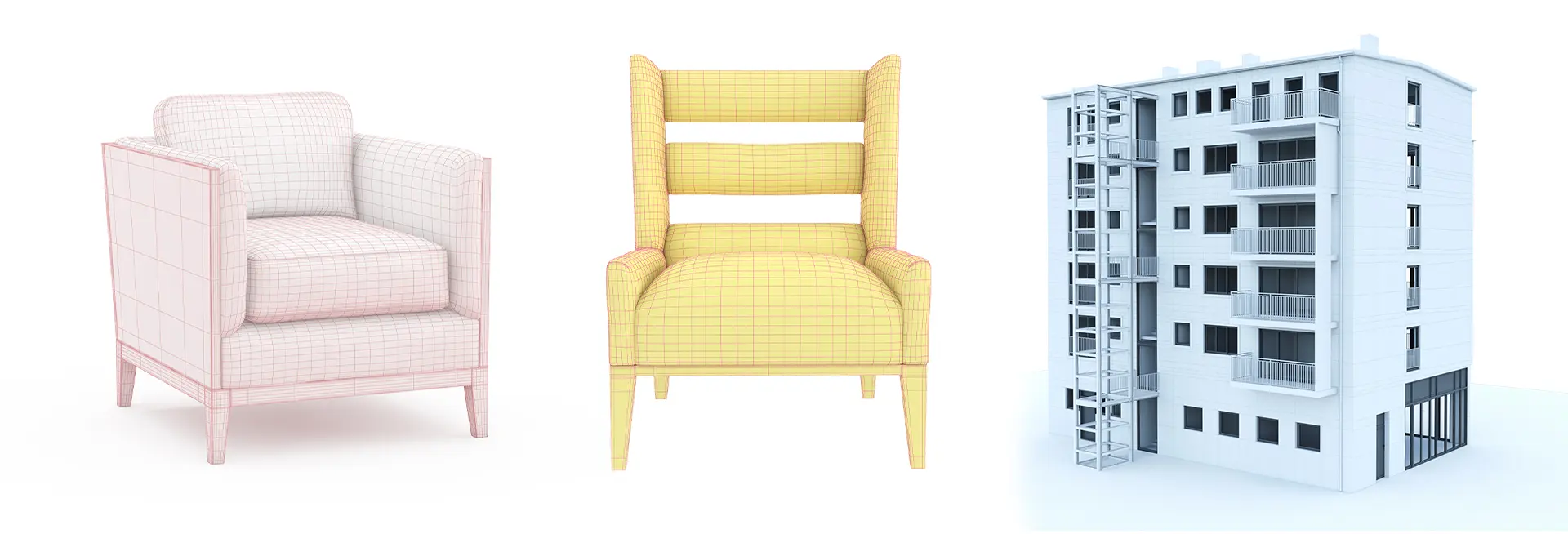
3D modeling outsourcing refers to hiring an external 3D modeling company or CGI studio to create digital models, renderings, and visual assets instead of producing them in-house.
These services typically include:
- Product 3D modeling
- Furniture visualization
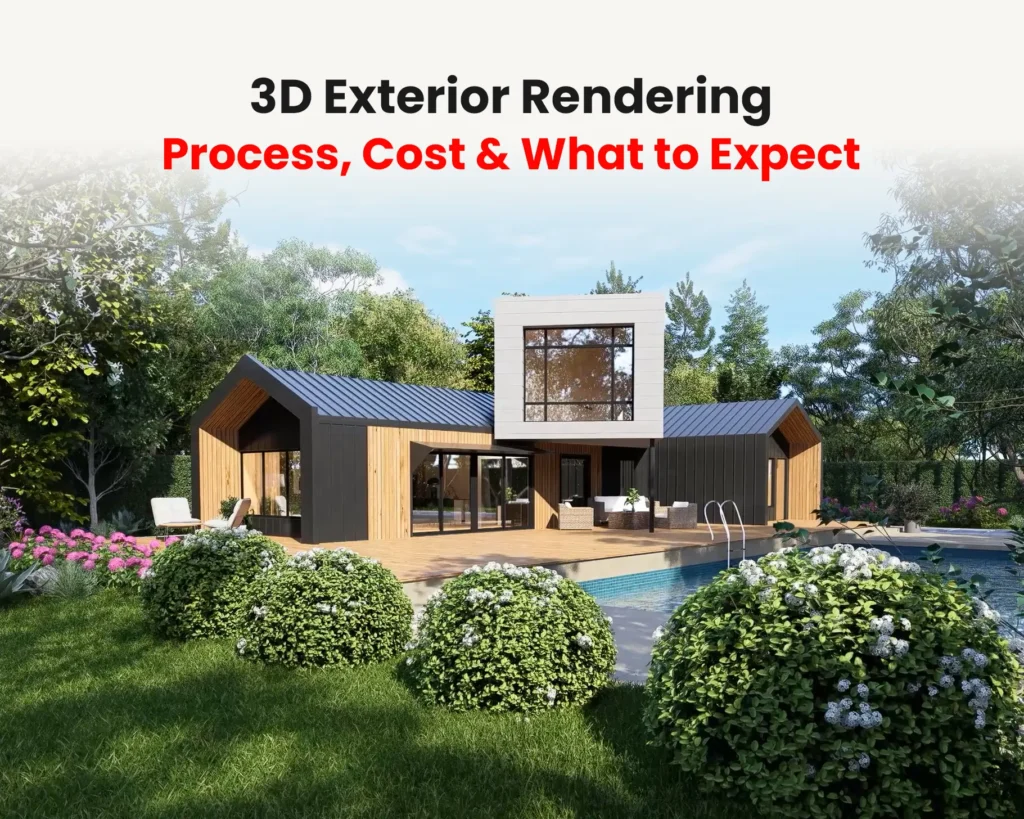
- Architectural rendering
- Real estate 3D walkthroughs
- Photorealistic product rendering
Outsourcing allows companies to access high-quality 3D assets without investing heavily in internal teams, software, or infrastructure.
When Do Companies Outsource 3D Modeling Projects?
Understanding the timing is critical. Businesses don’t outsource randomly—it usually happens at key growth or pressure points.
1. During Product Launches
Furniture brands and product manufacturers often outsource 3D modeling when launching new collections.
Instead of waiting for physical prototypes, companies use 3D product rendering before manufacturing to:
- Create marketing visuals early
- Test designs digitally
- Launch faster in eCommerce
This is especially valuable in industries where speed-to-market defines competitiveness.
2. When Scaling Marketing Content
Modern brands need content—lots of it.
If you’re producing:
- Website visuals
- Social media creatives
- Product catalogs
- Ad campaigns
Your internal team can quickly become overwhelmed.
Outsourcing enables scalable content production, allowing brands to generate dozens (or hundreds) of visuals without sacrificing quality.
3. When Entering eCommerce or Digital Platforms
For furniture manufacturers moving online, high-quality visuals are non-negotiable.
Outsourced ecommerce product rendering helps:
- Replace expensive product photography
- Create consistent product catalogs
- Show multiple variations (colors, materials, angles)
This is one of the most common triggers for outsourcing.
4. During Large-Scale Real Estate Projects
Real estate developers and architects outsource heavily when working on:
- Residential projects
- Commercial buildings
- Urban developments
Why? Because architectural visualization services require:
- Advanced software
- Skilled artists
- Fast turnaround for client presentations
Outsourcing ensures high-end photorealistic renders without delaying project timelines.
5. When Internal Resources Are Limited
Hiring and maintaining an in-house 3D team is expensive.
Companies often outsource when they face:
- Lack of skilled 3D artists
- Limited hardware/software capabilities
- Tight deadlines
Outsourcing provides instant access to experienced professionals without long-term commitments.
Why Companies Outsource 3D Modeling Projects
Now let’s go deeper into the real reasons behind this shift.
1. Cost Efficiency Without Compromising Quality
Building an in-house team involves:
- Salaries
- Software licenses (like Blender, 3ds Max, Maya)
- High-performance hardware
- Training costs
Outsourcing eliminates these overheads.
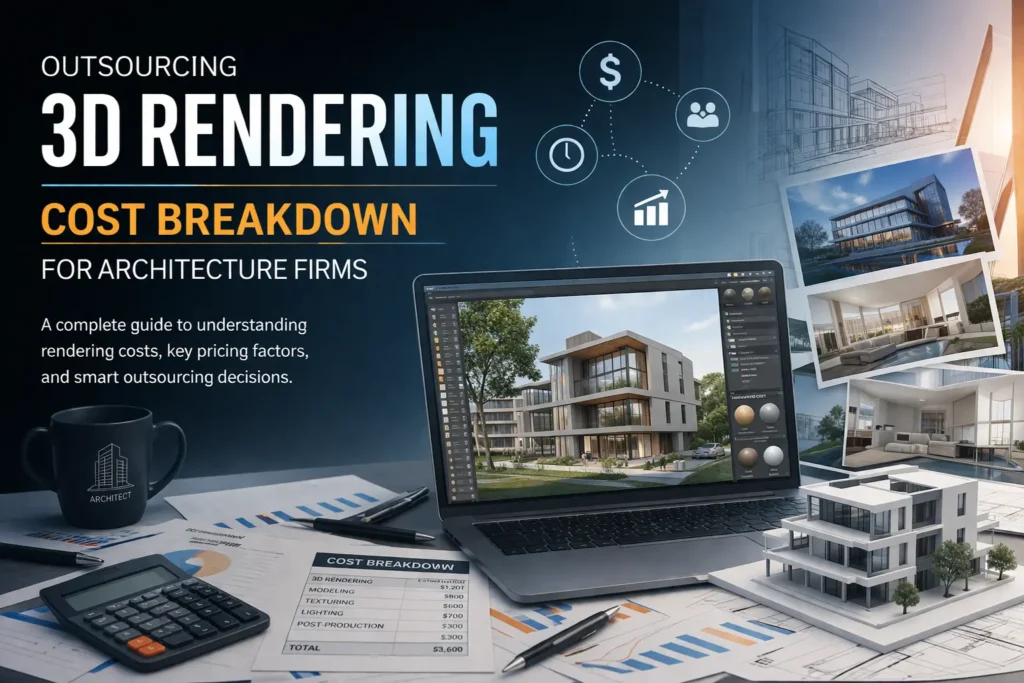
Instead, companies pay per project or per asset—making 3D rendering pricing more predictable and scalable.
2. Access to Specialized Expertise
Not all 3D modeling is the same.
Furniture rendering, for example, requires:
- Material realism
- Lighting accuracy
- Fabric and texture detailing
Architectural visualization demands:
- Spatial understanding
- Environmental lighting
- Realistic landscapes
Outsourcing connects you with specialized 3D artists who focus on your exact industry.
3. Faster Turnaround Time
Time is money—especially in competitive markets.
Outsourced studios often work with:
- Dedicated teams
- Optimized workflows
- Time zone advantages
This allows for:
- Faster delivery
- Parallel project execution
- Quick revisions
Result: projects get completed in days instead of weeks.
4. Scalability and Flexibility
One of the biggest advantages of outsourcing is flexibility.
You can:
- Scale up during busy seasons
- Scale down when demand drops
- Handle bulk projects efficiently
This is crucial for businesses managing seasonal product launches or large real estate pipelines.
5. High-Quality Photorealistic Output
Modern consumers expect realism.
Outsourced studios specialize in:
- Photorealistic furniture renders
- High-quality product rendering for marketing
- Realistic lighting and shadows
- Advanced texturing
This level of quality is hard to maintain consistently with small in-house teams.
In-House vs Outsourced 3D Modeling: A Quick Comparison
| Factor | In-House Team | Outsourced 3D Studio |
| Cost | High fixed costs | Pay per project |
| Scalability | Limited | Highly scalable |
| Expertise | Generalized | Specialized |
| Turnaround Time | Slower | Faster |
| Flexibility | Low | High |
| Technology Access | Limited | Advanced tools |
Key Benefits for Different Industries
Furniture Manufacturers
- Create photorealistic furniture renders
- Showcase multiple variations without production
- Improve catalog and eCommerce visuals
Real Estate Developers
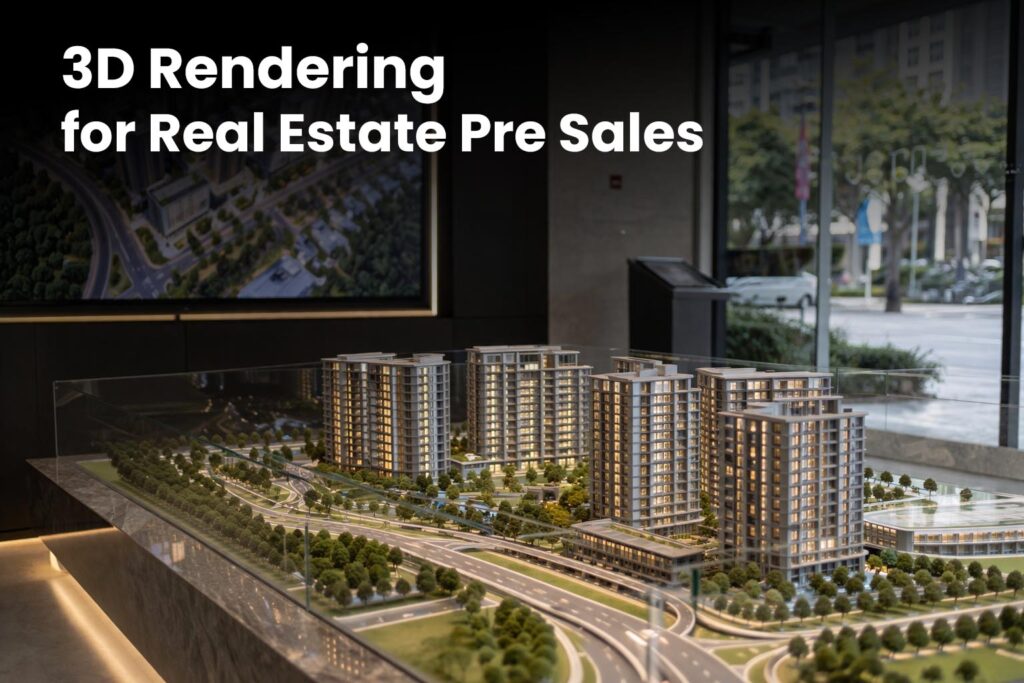
- Sell properties before construction
- Use 3D architectural visualization
- Enhance investor presentations
Architecture Firms
- Communicate design concepts clearly
- Win client approvals faster
- Produce high-end 3D walkthroughs and renders
Signs Your Business Should Outsource 3D Modeling
If you’re unsure whether it’s time, here are clear indicators:
- You’re missing deadlines due to limited resources
- Your visual content quality is inconsistent
- You need high-volume rendering output
- Hiring in-house is too expensive
- Your competitors are using high-end CGI visuals
If you checked even two of these, outsourcing is likely the smarter move.
How to Choose the Right 3D Modeling Partner
Not all studios deliver the same quality. Choosing the right partner is critical.
Look for:
- Strong portfolio (especially in your industry)
- Experience with product rendering services
- Clear pricing structure
- Fast communication and revisions
- Ability to scale projects
Pro Tip:
Start with a small test project before committing long-term.
For a deeper understanding of industry trends and visualization standards, you can explore: https://www.cgarchitect.com
This platform shares insights, case studies, and innovations in architectural visualization and 3D rendering.
Future of 3D Modeling Outsourcing
The demand for 3D visualization services is growing rapidly, driven by:
- eCommerce expansion
- AR/VR integration
- Virtual showrooms
- Metaverse-ready assets
Companies that adopt outsourcing early gain a competitive advantage in speed, cost, and visual quality.
Outsourcing 3D modeling is no longer just a cost-saving tactic—it’s a strategic decision that empowers businesses to scale, innovate, and compete in a visually driven market.
Whether you’re a furniture manufacturer launching a new collection, a real estate developer selling off-plan properties, or an architecture firm presenting complex designs, outsourcing gives you access to world-class 3D expertise without the operational burden.