In today’s fast-moving digital world, visuals play a huge role in how brands connect with customers. Whether it’s an online store, social media campaign, or product launch, eye-catching images can make or break a sale.
That’s where the debate of 3D Product Rendering vs Traditional Photography becomes important. Brands are constantly looking for smarter, faster, and more cost-effective ways to showcase their products—and 3D rendering is quickly becoming the preferred choice.
What is 3D Product Rendering?
Definition and Core Concept
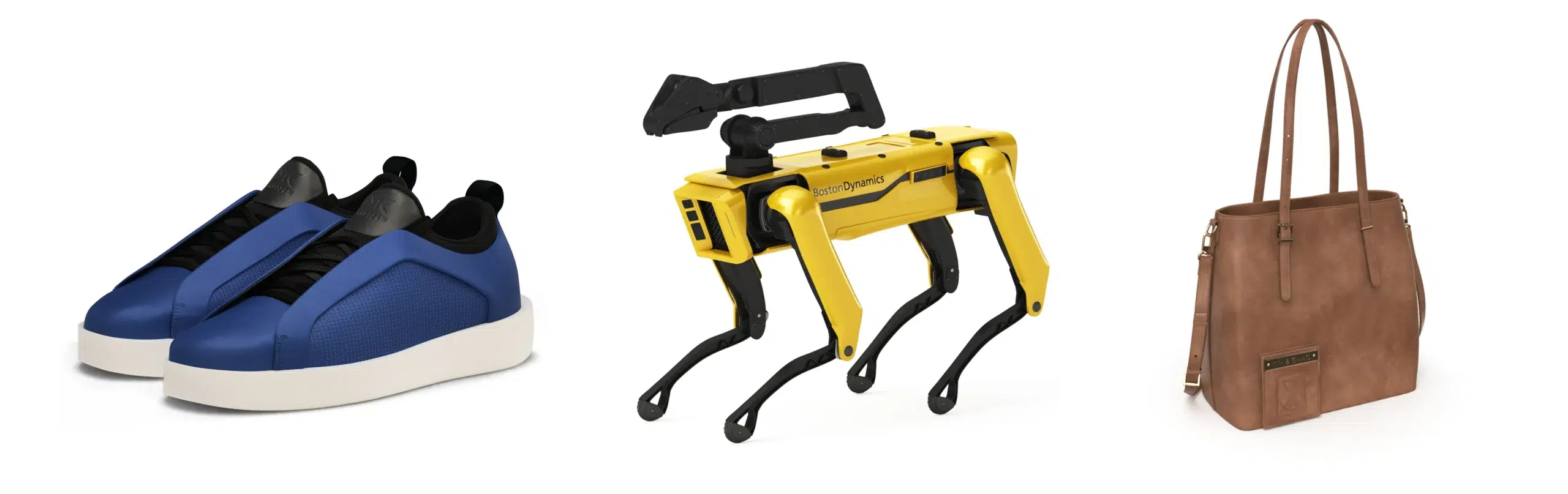
3D product rendering is the process of creating photorealistic digital images of a product using 3D modeling and rendering software such as 3ds Max, V-Ray, or Blender. Instead of photographing a physical product, artists build an accurate digital replica — complete with materials, textures, lighting, and environment — and render it into a final image that is virtually indistinguishable from photography.
How 3D Rendering Works
The process usually includes:
- Creating a 3D model of the product
- Applying textures, colors, and materials
- Setting lighting and camera angles
- Rendering the final high-quality image
The result? A lifelike image that looks just like a real photograph—sometimes even better.
What is Traditional Product Photography?
Definition and Process
Traditional product photography involves capturing real images of physical products using professional cameras, lighting setups, and studio environments. It requires a finished physical product, a photographer, props, and post-production editing before a final image is ready — making it a time-intensive and logistically complex process, particularly for large product catalogs or items still in development.
Equipment and Setup Requirements
This method typically requires:
- Professional cameras and lenses
- Lighting setups (softboxes, reflectors)
- Studio space
- Props and backgrounds
- Skilled photographers
While it produces authentic images, it often comes with higher costs and logistical challenges.
3D Product Rendering vs Traditional Photography: Key Differences
Cost Comparison
Traditional photography carries costs at every stage — studio rental, equipment, product shipping, photographer fees, styling, and post-production retouching. These costs repeat every time you need new imagery. With 3D rendering, the investment is primarily upfront. Once the 3D model exists, producing additional views, color variants, or entirely new scenes costs a fraction of the original. For brands with large catalogs or frequent updates, the savings are substantial.
Turnaround Time
A traditional photoshoot requires a finished physical product, studio availability, shipping logistics, and post-production — often taking two to four weeks from brief to final image. 3D rendering removes every one of those dependencies. Renders can be produced directly from CAD files or technical drawings, with final images delivered in 48 to 72 hours.
Pre-Production Visualization
Photography requires a physical product to exist before a single image can be taken. 3D product rendering does not. Brands can produce market-ready visuals, investor presentations, and crowdfunding campaign imagery before manufacturing even begins — compressing the gap between product development and market launch.
Consistency Across Catalogs
In photography, maintaining consistent lighting, color, and camera angles across a large product range is genuinely difficult — even with the same team and studio. 3D rendering uses fixed lighting rigs and camera setups that can be saved and reapplied identically across every product in a collection, ensuring perfect visual consistency at scale.
Unlimited Variations Without Reshooting
Changing a product color, swapping a material, or adjusting a finish in photography means a full reshoot. In 3D, these changes are made directly to the model — in hours, not days. A sofa available in twelve fabric options can be rendered in all twelve from a single base model, with identical lighting and composition throughout.
Where Photography Still Wins
3D product rendering is not always the better choice. Photography captures authentic human interaction, genuine emotion, and organic lifestyle moments in a way CGI cannot fully replicate. For campaigns where real people, candid moments, or highly tactile textures are central to the brand story, photography remains the stronger option.
Benefits of 3D Product Rendering for Brands

Unlimited Creativity
One of the biggest advantages is creative freedom. Brands can:
- Place products in imaginary environments
- Create futuristic visuals
- Showcase products before manufacturing
This opens up endless marketing possibilities.
Easy Product Updates
Need to change a product color or design? With 3D rendering, it’s simple.
No need to:
- Manufacture new samples
- Ship products
- Schedule new shoots
Everything can be done digitally.
Consistent Visual Quality
Consistency is key for branding. 3D rendering ensures:
- Identical lighting across all images
- Uniform backgrounds
- Perfect angles every time
This level of control is hard to achieve with photography.
Limitations of Traditional Photography
High Production Costs
Photography involves multiple expenses:
- Equipment purchase or rental
- Studio space
- Photographer fees
- Post-production editing
These costs add up quickly, especially for large product catalogs.
Logistical Challenges
Managing a photoshoot can be complex:
- Shipping products to studios
- Coordinating schedules
- Handling damaged items
These challenges can delay campaigns and increase stress.
Industries Adopting 3D Rendering
E-commerce
Online stores benefit hugely from 3D rendering. It allows:
- 360-degree product views
- Interactive experiences
- Faster product launches
For example, platforms like Shopify even support 3D models for better customer engagement.
👉 Learn more here
Furniture & Interior Design
Brands use rendering to show:
- Products in different room settings
- Various color options
- Realistic lifestyle scenes
This helps customers visualize products in their own homes.
Automotive and Tech
Car and gadget companies use 3D rendering to:
- Showcase products before production
- Highlight features in detail
- Create cinematic advertisements
Cost Breakdown: Rendering vs Photography
| Cost Factor | 3D Rendering | Traditional Photography |
|---|---|---|
| Studio Rental | Not required | $500 – $5,000 / day |
| Photographer Fee | Not required | $500 – $3,000 / shoot |
| Product Shipping | Not required | $50 – $500 / shipment |
| Props & Styling | Not required | $200 – $2,000 / shoot |
| Retouching | Included | $50 – $150 / image |
| Color & Variant Changes | Low additional cost | Full reshoot required |
| Additional Angles | Low additional cost | Additional shoot time |
| First Delivery | 48 – 72 hours | 2 – 4 weeks |
| Long-Term Cost | Low | High |
| Model Reusability | Indefinite | Not applicable |
Figures reflect standard US and European market rates and may vary by project scope, product complexity, and studio.
3D rendering costs depend on model complexity, number of views, and scene type. Contact us for a tailored quote.
Overall, 3D rendering offers better long-term value.
Future Trends in Product Visualization
The future clearly favors 3D rendering. Emerging trends include:
- Augmented Reality (AR) shopping
- Virtual showrooms
- Interactive product customization
- AI-powered rendering tools
As technology improves, 3D visuals will become even more realistic and accessible.
FAQs
1. What is the main difference between 3D Product Rendering & Traditional Photography?
3D rendering creates digital images, while photography captures real products using a camera.
2. Is 3D product rendering cheaper than traditional photography?
In most cases, yes. Traditional photography involves costs like studio rental, props, lighting equipment, models, and retouching. 3D rendering eliminates all of these — and once the 3D model is built, additional views, color variations, and scene changes cost a fraction of a new photoshoot.
3. How realistic can 3D product renders actually look?
Modern 3D renders created with tools like V-Ray are virtually indistinguishable from photography. Surface textures, reflections, shadows, and lighting can all be replicated with precision — often producing cleaner results than a real photoshoot.
4. Which industries benefit most from 3D rendering?
E-commerce, furniture, automotive, and tech industries benefit the most.
5. How long does a 3D product render take compared to a photoshoot?
A photoshoot including scheduling, setup, shooting, and post-production typically takes days to weeks. A 3D render of similar complexity is usually delivered within 48–72 hours — with no logistics involved.
6. Is traditional photography becoming obsolete?
Not entirely, but its use is decreasing as 3D rendering becomes more advanced.
7. Can small businesses use 3D rendering?
Yes, many affordable tools and services are now available for small brands.
8. What file formats are delivered after rendering?
Final renders are delivered in JPEG, PNG, TIFF, or any format required for your use case — whether that’s web-ready eCommerce images, print-ready files, or transparent-background assets.
The shift from photography to digital visualization is no longer just a trend—it’s a transformation. When comparing 3D Product Rendering vs Traditional Photography, it’s clear why brands are making the switch.
3D product rendering offers flexibility, cost savings, speed, and creative freedom that traditional photography simply can’t match. While photography still has its place, the future of product marketing is undeniably digital.