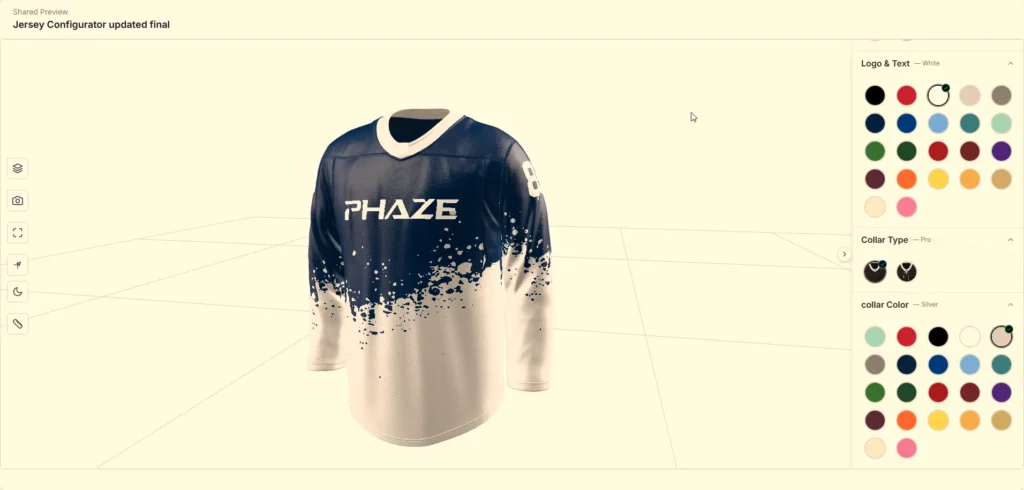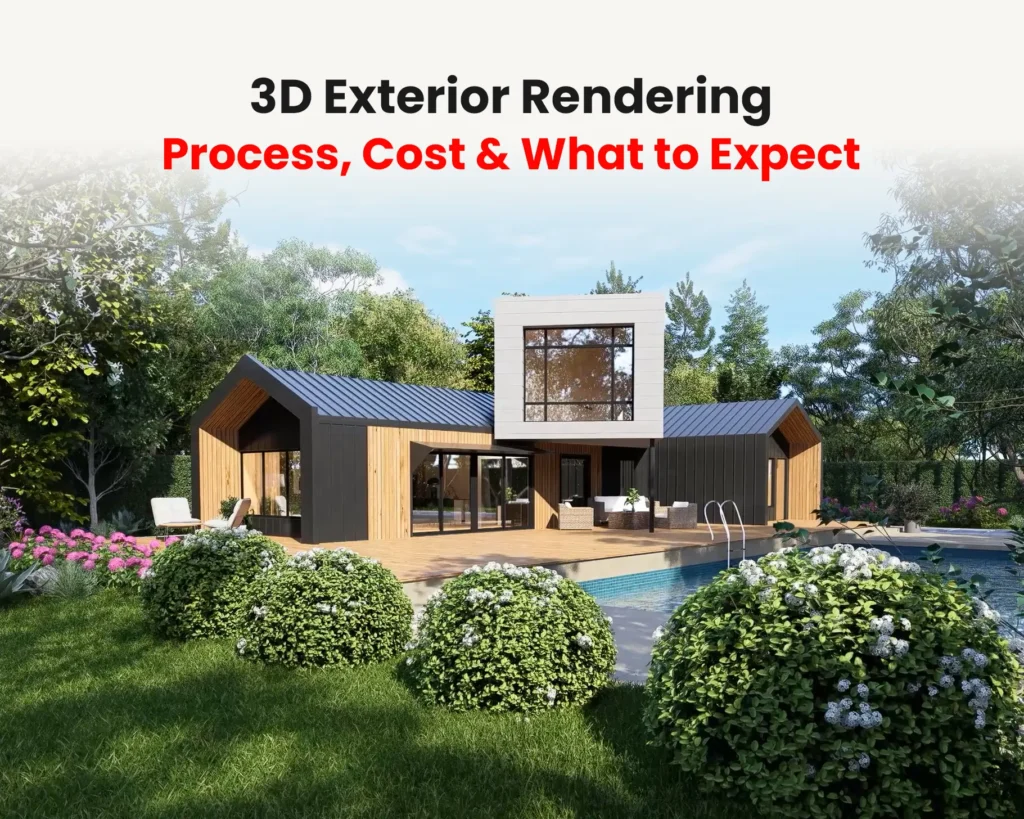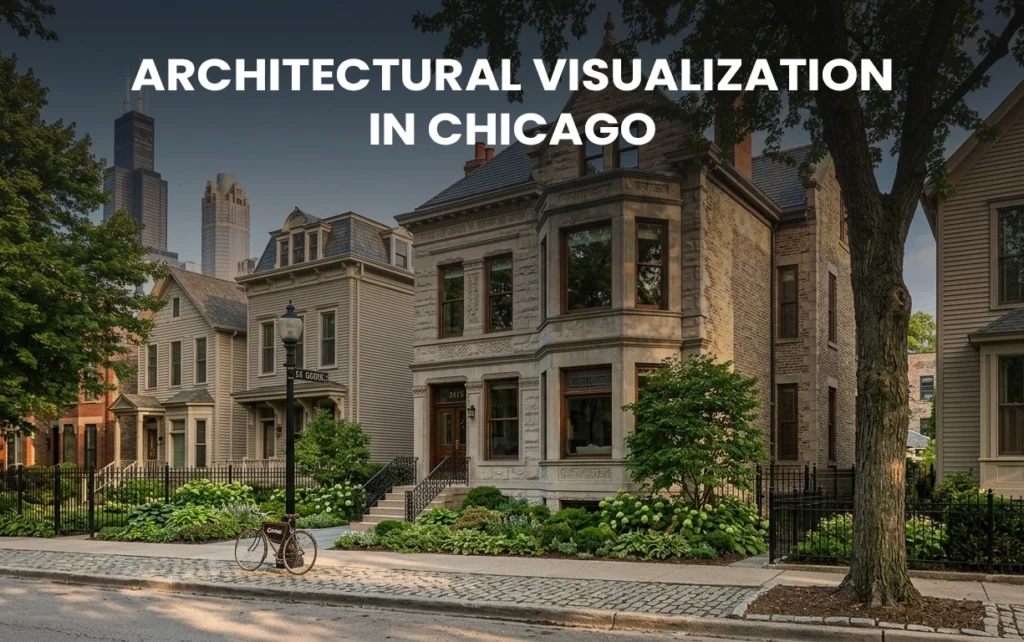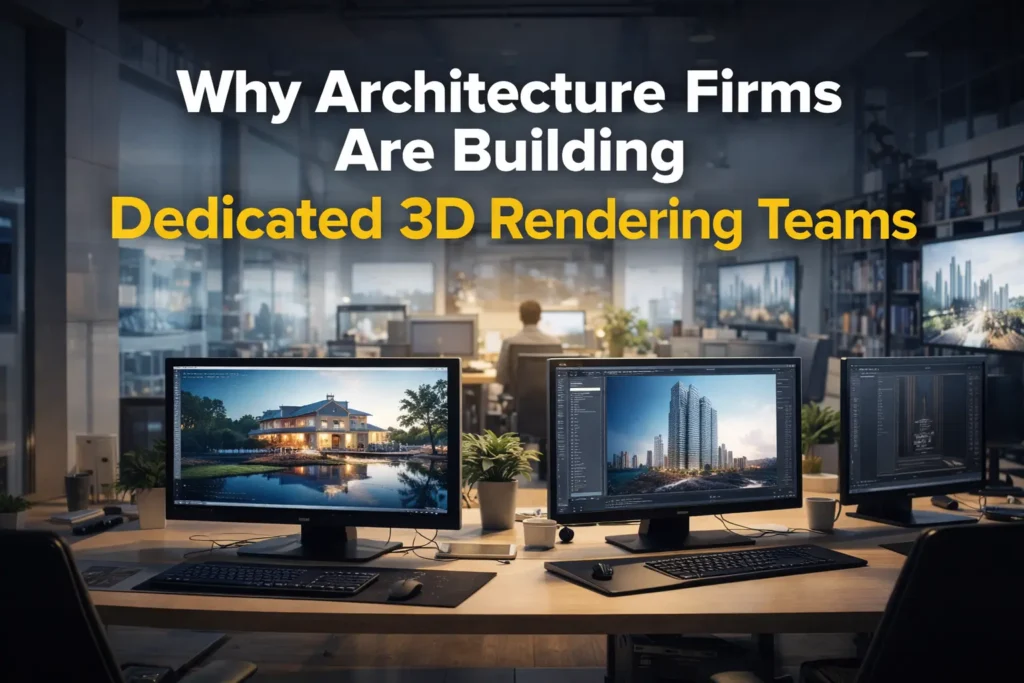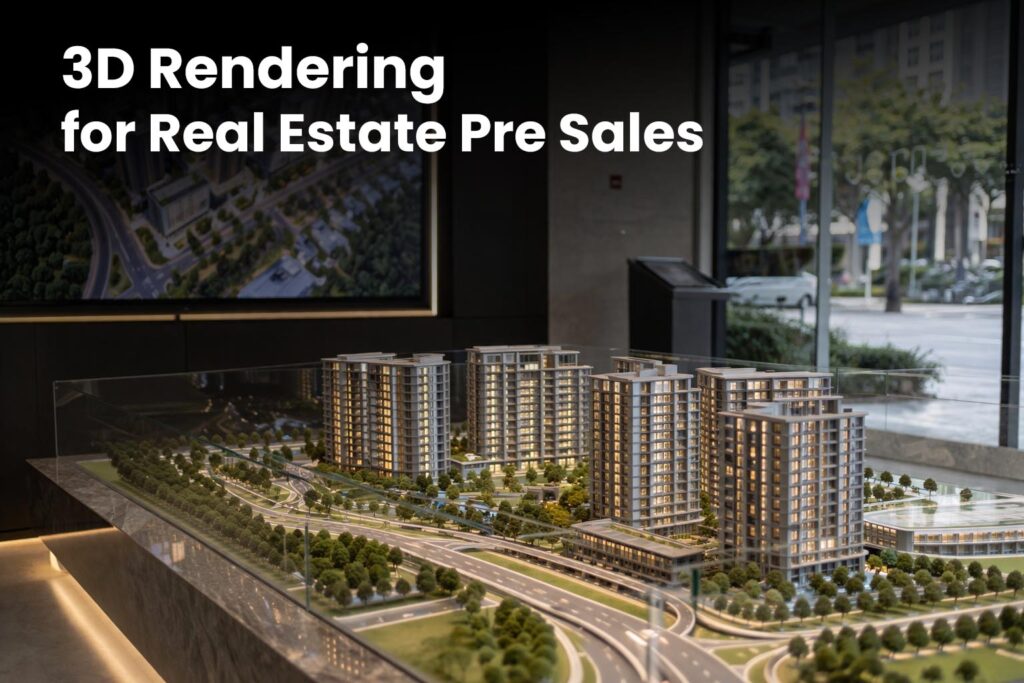

The 3D rendering industry is in the midst of a technological revolution. In just the past few years, tools that once required hours—or even days—to deliver a single high-quality image can now produce photorealistic visuals in real time. Driven by advancements in AI, VR rendering, AR models, and 3D graphics technology, professionals across industries are rethinking the way they approach visualization.
Whether you’re an architect designing immersive walkthroughs, a game developer building hyperrealistic worlds, or a product designer prototyping for AR, understanding the 3D rendering trends shaping 2026 is essential. This year marks a pivotal shift—not just in how we create visuals, but in how we interact with them.
In this guide, we’ll explore the top 3D rendering trends for 2026, backed by real-world examples, industry insights, and expert forecasts.
1. AI in Design: From Tool to Teammate
Artificial Intelligence has evolved from being a mere productivity booster to becoming a creative partner in the rendering process. The era of “brute force” rendering—where software processed every pixel without context—is fading fast.
How AI is Reshaping 3D Rendering
- Automated Asset Creation: AI-powered tools can now generate 3D models, textures, and materials based on 2D references or even simple text prompts.
- Predictive Rendering: Algorithms learn from your workflow, predicting lighting setups, camera angles, and scene arrangements that suit your style.
- Error Detection & Correction: AI automatically identifies geometry errors, texture mismatches, or lighting inconsistencies and corrects them in real time.
Example in Action
Imagine designing an architectural lobby. Instead of manually sourcing and applying materials, AI in design can analyze a mood board and instantly apply matching textures and lighting—freeing you to focus on creative decisions.
Why It Matters:
AI isn’t just making rendering faster—it’s making it smarter, allowing professionals to iterate quickly without sacrificing quality.
2. Real-Time Rendering as the Default Workflow
Five years ago, “real-time rendering” was a luxury. Today, it’s the standard for many design industries. With advancements in GPU performance and rendering engines, professionals can now preview their designs instantly.
Benefits of Real-Time Rendering
- Instant Client Feedback: Changes can be made during live sessions, reducing turnaround time.
- Immersive Collaboration: Remote teams can work on the same scene simultaneously, seeing updates in real time.
- Cross-Industry Use: From architecture to automotive design, real-time workflows are transforming visualization speed.
Tools Leading the Way
- Unreal Engine 5 – With its Lumen lighting system and Nanite virtualized geometry, photorealistic results are now achievable in live environments.
- Unity HDRP – Offers cinematic-quality lighting and shaders for real-time applications.
Pro Tip: In 2026, real-time rendering isn’t just about speed—it’s about unlocking more interactive and immersive presentations.
3. VR Rendering & AR Model Integration
The lines between the physical and digital worlds are blurring fast. The integration of VR rendering and AR models is enabling experiences that feel truly real.
VR Rendering in Practice
- Architecture: Clients can explore buildings before a single brick is laid.
- Product Design: Engineers can test ergonomics and aesthetics in virtual environments.
- Entertainment: VR enables entirely new forms of storytelling and gaming.
AR Model Applications
- Retail: Customers can see how furniture, fashion, or electronics look in their space before purchase.
- Industrial Training: AR overlays guide technicians through complex procedures in real-time.
- Marketing: Brands create immersive AR experiences to engage customers.
Why This Matters:
VR and AR aren’t just flashy add-ons—they’re becoming core tools in industries where visual communication is critical.
4. Sustainable 3D Graphics Technology
With global attention on climate change, sustainability is now influencing the rendering world. The focus is on reducing energy consumption without compromising output quality.
Sustainability in Rendering Pipelines
- Cloud Rendering Farms Powered by Renewables: Reducing the carbon footprint of heavy rendering tasks.
- Efficient Asset Libraries: Reusing and optimizing assets reduces the need for constant re-creation.
- AI-Based Optimization: Lower GPU usage while maintaining image quality.
Example:
Major studios are adopting green cloud rendering solutions where processing runs on servers powered entirely by solar and wind energy.

5. Photorealism Meets Hyperrealism
While photorealistic rendering has been the industry goal for decades, 2026 is ushering in the age of hyperrealism—where digital images can surpass real-life visuals in clarity and precision.
Key Drivers
- Physically Based Rendering (PBR): Simulates real-world light interactions with stunning accuracy.
- AI-Enhanced Post-Processing: Automatically adjusts textures, colors, and details for a flawless finish.
- High Dynamic Range (HDR) Workflows: Capture and display lighting nuances far beyond traditional rendering limits.
Why It’s Important:
Hyperrealism allows for storytelling that’s not just believable, but emotionally engaging—an asset in marketing, entertainment, and virtual experiences.
6. The Fusion of Design and Engineering
In 2026, the wall between creative visualization and technical design is breaking down.
Engineers and designers now work within the same 3D environments, allowing for seamless transitions from concept to manufacturing.
- BIM Integration in Rendering: Architects can visualize data-rich building models instantly.
- CAD + Rendering Engine Mergers: Platforms like Autodesk and Dassault Systèmes now offer both precise modeling and real-time visualization in one environment.
- Prototyping to Production: Designers can render a concept and send it directly into a manufacturing pipeline without data loss.
7. Cloud Rendering for Scalability
Cloud-based rendering has matured into a scalable, on-demand solution for both freelancers and large studios.
- Benefits:
- Access to high-performance rendering without expensive hardware.
- Pay-as-you-go models reduce financial strain.
- Collaborative teams can access projects anywhere in the world.
- Industry Use:
Architectural firms can render large master plans without tying up in-house machines, while VFX studios can meet tight deadlines by leveraging thousands of cloud-based processors.
8. Procedural Generation & Parametric Design
Procedural tools are becoming more user-friendly, enabling professionals to automate repetitive modeling tasks.
- Applications:
- Landscape design with automatically generated vegetation.
- Urban planning with procedurally built cityscapes.
- Game design with limitless terrain variation.
These tools combine with AI in design to deliver unique, complex visuals faster than ever.
Conclusion
The 3D rendering trends of 2026 represent more than just software updates—they mark a fundamental shift in how industries create, present, and interact with visual content.
From AI in design to real-time rendering, from VR rendering experiences to sustainable 3D graphics technology, the rendering world is becoming faster, smarter, and more immersive.
For professionals, the challenge will be mastering these tools quickly. Those who do will not just keep up with the industry—they’ll help define its future.
Contact 4dviz Studio today for a free consultation or sample render.
Want to see real-world examples of design-led visual storytelling? Visit ArchDaily for daily inspiration.