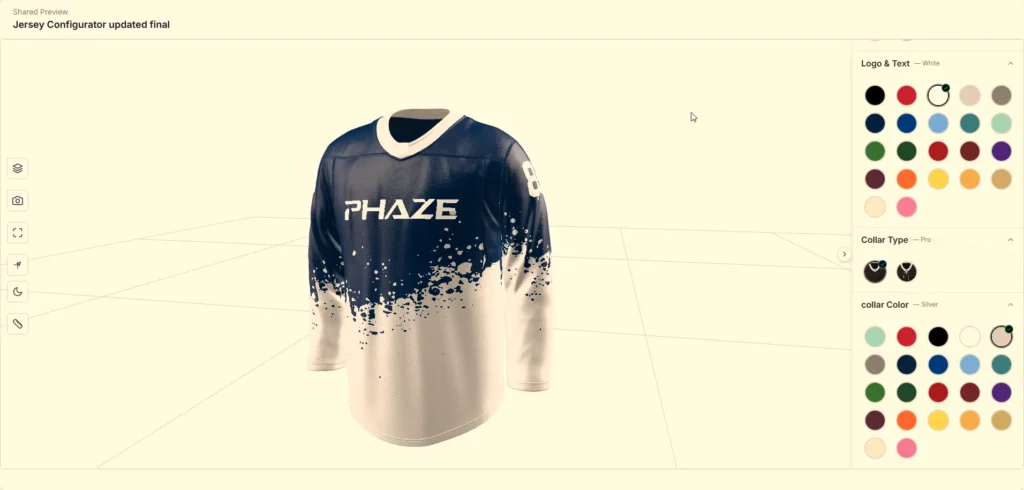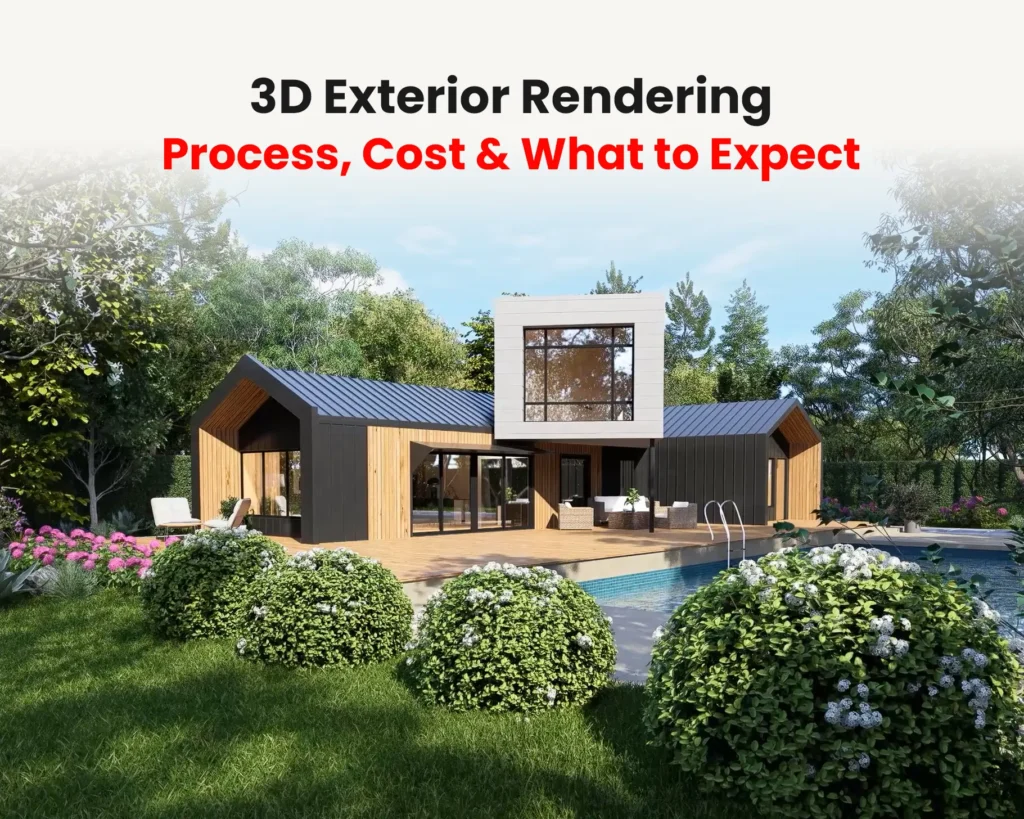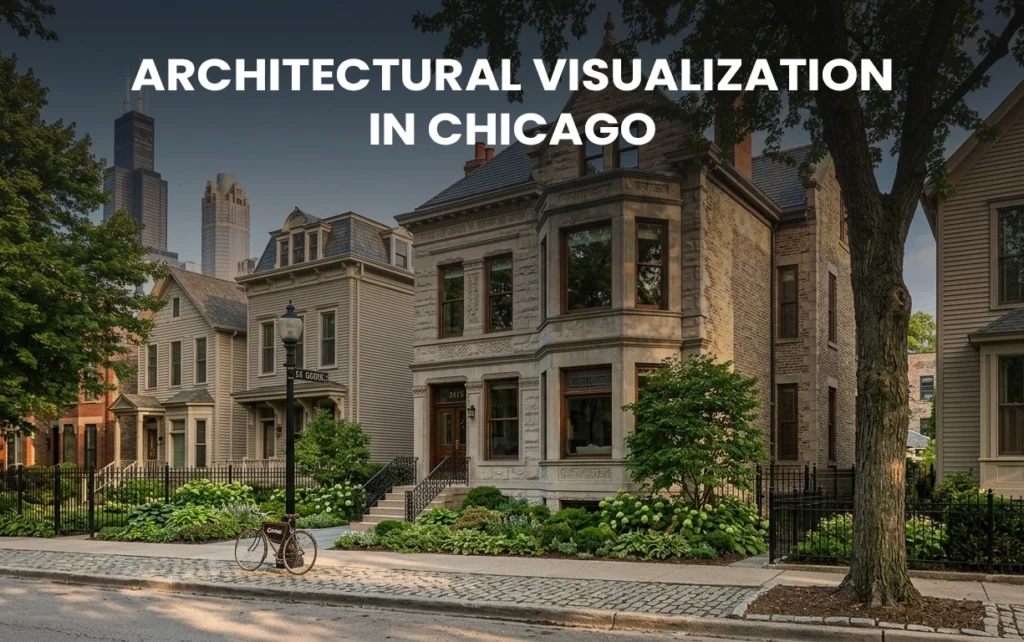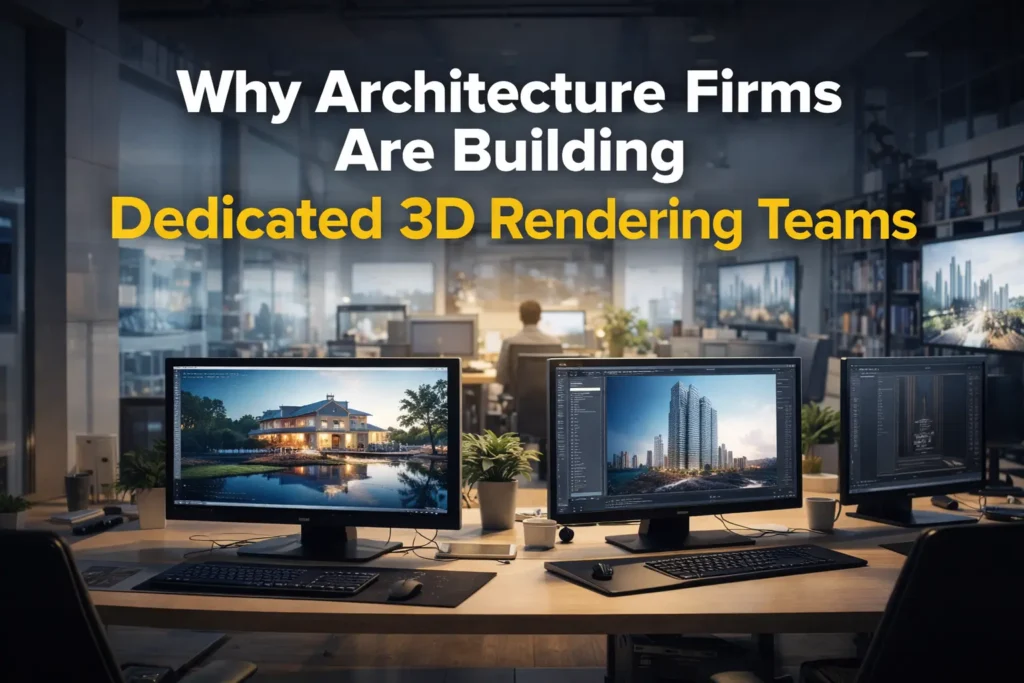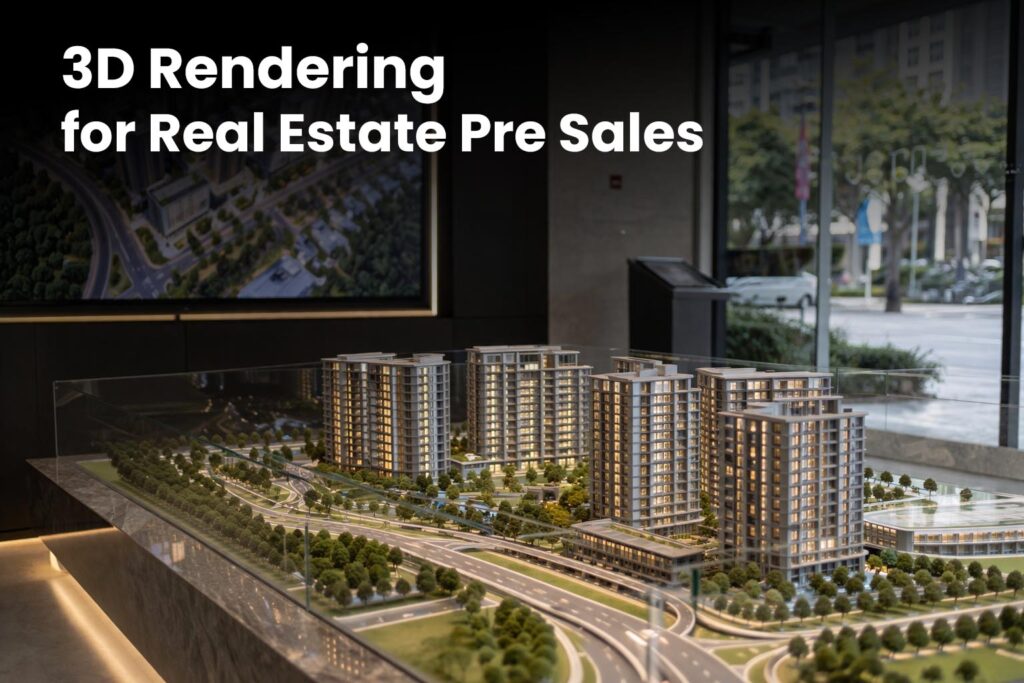
In today’s competitive furniture market, simply showcasing a product on a white background is no longer enough. Customers crave a visual experience that helps them imagine the product in their own living spaces. This is where 3D Lifestyle Rendering steps in as a game-changer. From creating engaging marketing materials to enhancing brand identity, 3D Lifestyle Rendering transforms static product shots into compelling, styled interior scenes that captivate and convert.
What is 3D Lifestyle Rendering?
3D Lifestyle Rendering is a digital visualization technique where furniture pieces are placed in a beautifully designed, photo-realistic interior setting. Unlike traditional product shots, lifestyle renders tell a story, highlight the product’s functionality, and show how it fits within a harmonious space.
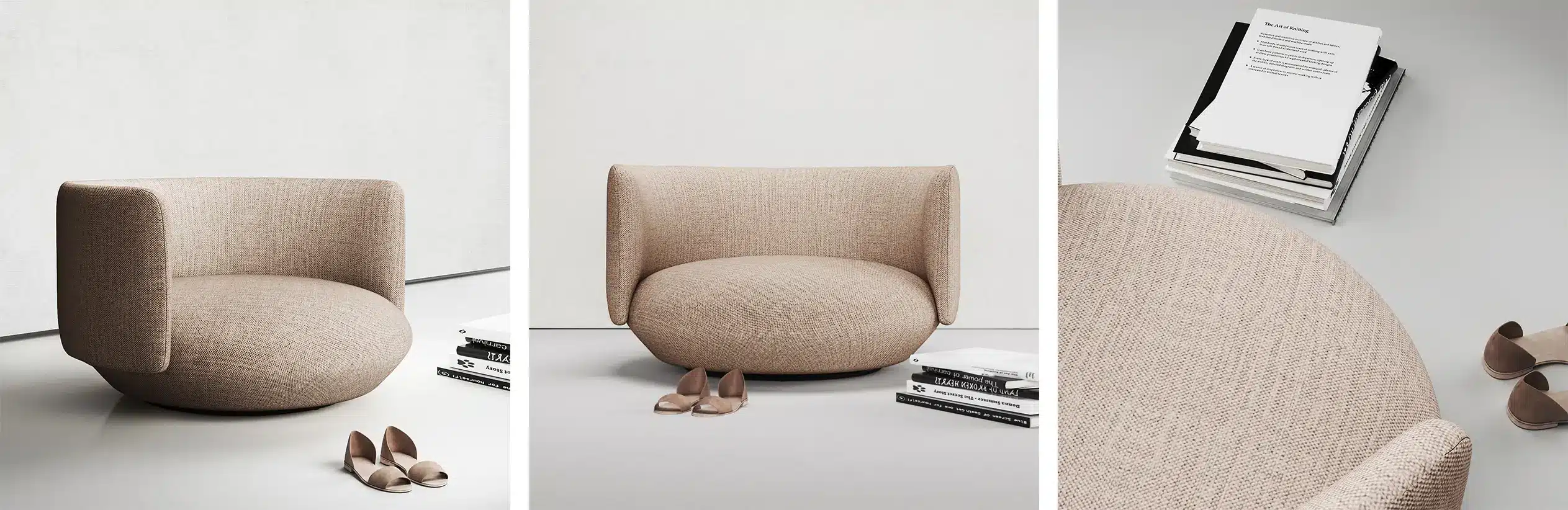
Why Businesses Prefer Lifestyle Rendering:
- Showcases products in realistic home environments.
- Enhances emotional connection with customers.
- Reduces reliance on costly physical photoshoots.
Key Benefits of 3D Lifestyle Rendering in Furniture Marketing
1. Helps Customers Visualize Products in Real Spaces
One of the biggest challenges in online furniture sales is helping customers picture the product in their home. Lifestyle renders solve this problem by:
- Providing a realistic context.
- Displaying proportions and scale accurately.
- Eliminating buyer hesitation caused by uncertainty.
2. Elevates Brand Aesthetics Instantly
Consistent, well-styled 3D Lifestyle Rendering enhances your brand’s visual identity by:
- Creating a premium, cohesive look across platforms.
- Highlighting your product’s unique design features.
- Aligning with your brand’s target market.
3. Versatile Content for Multi-Platform Marketing
Lifestyle renders can be used across:
- Websites (product pages, banners)
- Social Media (Instagram, Facebook, Pinterest)
- Email Campaigns (product launches, offers)
- Print Catalogs & Brochures
This multi-use flexibility reduces content production time and costs.

4. Faster Turnaround Compared to Traditional Photography
Physical staging, photography, and editing can take weeks. In contrast:
| Photography | 3D Lifestyle Rendering |
| Studio booking | Done digitally |
| Product shipping | No shipping needed |
| Multiple setup changes | Easily customizable scenes |
| Long retouching | Instant post-production tweaks |
| Higher costs | Cost-effective in the long run |
For a detailed cost and quality breakdown, see our complete guide: 3D Product Rendering vs Traditional Photography — covering turnaround times, cost per image, and which works better by use case.”
5. Unlimited Creative Freedom
With 3D Lifestyle Rendering, you can:
- Experiment with multiple design styles (modern, classic, minimal).
- Change wall colors, flooring, lighting instantly.
- Recreate any location without physical limitations.

6. Easier Product Launches and Seasonal Campaigns
Launching a new collection? Planning a festive sale? Lifestyle renders allow:
- Quick adaptation to trends.
- Seamless integration of seasonal themes without additional cost.
- Early marketing before physical prototypes are ready.
7. Eco-Friendly Marketing Strategy
Traditional photography requires shipping, staging, and logistics, contributing to environmental costs. 3D rendering:
- Reduces waste from packaging and transport.
- Minimizes carbon footprint by eliminating physical shoots.
8. Cost-Effective Solution with High ROI
Initially, 3D Lifestyle Rendering seems like an investment, but it saves money by:
- Eliminating repeated photoshoots.
- Reducing content production time.
- Allowing bulk rendering packages.
9. Increases Conversion Rates
A visually appealing lifestyle image:
- Grabs attention faster than plain images.
- Encourages longer page visits.
- Boosts conversion rates by improving buyer confidence.
10. Competitive Advantage in a Crowded Market
Businesses adopting 3D Lifestyle Rendering gain an edge by:
- Offering superior product visualization.
- Standing out in search results and social feeds.
- Enhancing customer engagement and retention.
Quick Comparison: Traditional Photography vs. 3D Lifestyle Rendering
| Feature | Traditional Photography | 3D Lifestyle Rendering |
| Setup Cost | High | Moderate |
| Time Required | Weeks | Days |
| Flexibility | Limited | High |
| Customization | Time-consuming | Instant |
| Environmental Impact | High | Low |
Conclusion: 3D Lifestyle Rendering is the Future of Furniture Marketing
In a world driven by visuals, 3D Lifestyle Rendering empowers furniture brands to tell captivating stories, connect emotionally with buyers, and outshine competitors. From faster turnarounds to higher conversions, the benefits are clear. Whether you’re a startup or an established brand, adopting lifestyle renders is a strategic move towards better engagement, stronger sales, and elevated brand presence.