3D exterior rendering is a transformative tool in modern architectural design, enabling architects and designers to present their ideas in a visually compelling and realistic way. By creating photorealistic images of building exteriors, 3D rendering enhances the design process, facilitates client communication, and improves marketing efforts. In this blog, we will dive into the world of 3D exterior renderings, exploring what they are, how they are used, and why they are crucial for architectural success.
Before diving into the significance of 3D exterior rendering in architectural design, it’s essential to understand the basics of architectural design itself. If you’re looking for a deeper dive into the stages, importance, and definition of architectural design, check out our detailed article on What Is Architectural Design? Definition, Stages & Importance
What is 3D Exterior Rendering?
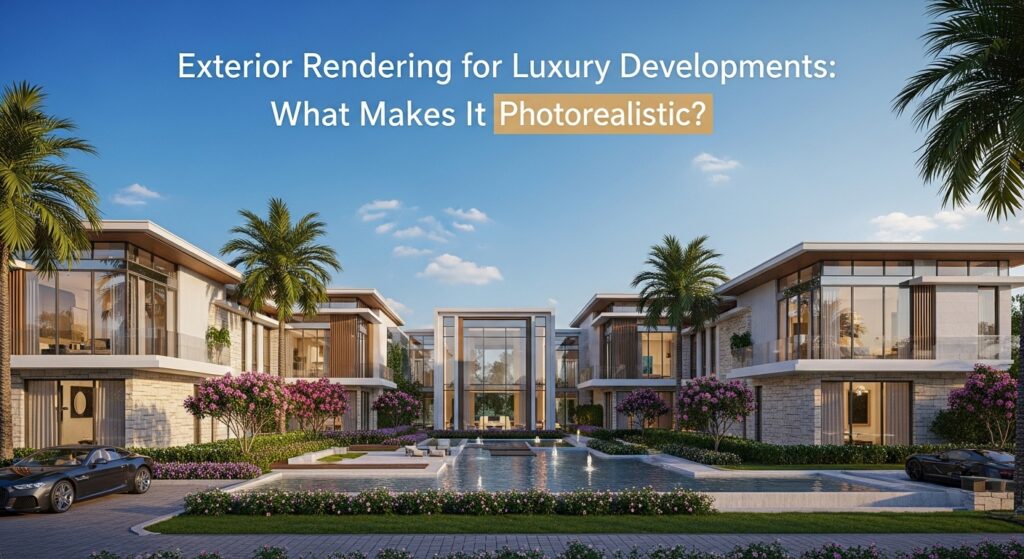
3D exterior rendering refers to the process of creating digital representations of the exterior of a building or structure. Using specialized software, architects and designers can produce highly detailed, photorealistic images that show how a building will look once completed. These renderings are created by applying textures, lighting, and materials to a 3D model of the building, providing a comprehensive view of how the structure will interact with its environment.
While traditional architectural drawings are often 2D and static, 3D architectural exterior rendering allows for dynamic, fully realized images of a building’s exterior, providing clients with an interactive and clear view of the final design. These renderings can be used in various stages of design, from early conceptualization to final presentation.
How Does 3D Exterior Rendering Work?
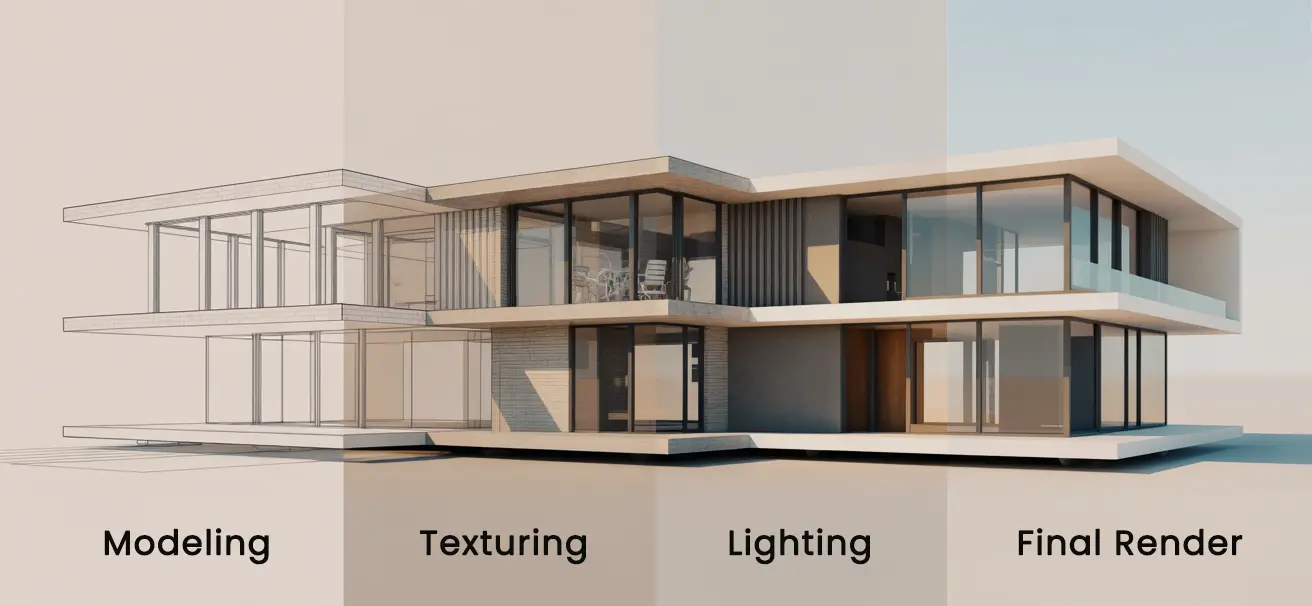
The process of 3D rendering typically involves several key steps:
- Modeling: The first step involves creating a 3D model of the building. This model includes the geometry, structure, and layout of the building, including walls, windows, doors, and roofs.
- Texturing: Next, textures are applied to the model to simulate real-world materials like brick, glass, wood, and metal. The choice of materials plays a crucial role in making the render look realistic.
- Lighting: Lighting is another critical aspect of exterior renderings. The lighting setup simulates how sunlight and artificial lighting will affect the building’s appearance at different times of the day. Proper lighting can drastically improve the realism of a render.
- Rendering: Once the model is built and textures are applied, the software processes the data and generates the final image. The rendering process involves calculating light, shadows, reflections, and textures, resulting in a photorealistic image or animation.
- Post-Processing: After the render is complete, post-processing can enhance the image, adjusting contrast, colors, and adding effects to achieve the desired look.
The Importance of 3D Exterior Rendering in Architectural Design
- Enhanced Visualization and Realism
3D exterior renderings provide architects, clients, and stakeholders with a true-to-life representation of the project. Traditional blueprints and 2D sketches often fail to convey the full scope of the design, making it difficult for clients to understand the finished product. By creating realistic images of the building’s exterior, architectural exterior rendering makes it easier for everyone involved to visualize the final product, helping clients make more informed decisions.
- Effective Communication and Collaboration
With 3D exterior renderings, architects can communicate their ideas more effectively to clients, contractors, and other stakeholders. These renderings help bridge the gap between technical drawings and conceptual design, allowing non-experts to understand complex architectural concepts. Additionally, 3D exterior rendering allows for real-time adjustments and feedback, improving the collaboration process.
- Time and Cost Efficiency
By visualizing the design before construction begins, 3D exterior rendering helps architects identify potential issues early on. Changes made in the design phase can be implemented without the cost and time involved in physical construction alterations. This foresight can prevent costly mistakes during the building phase and streamline the entire project.
Applications of 3D Exterior Rendering
- Architectural Design and Development
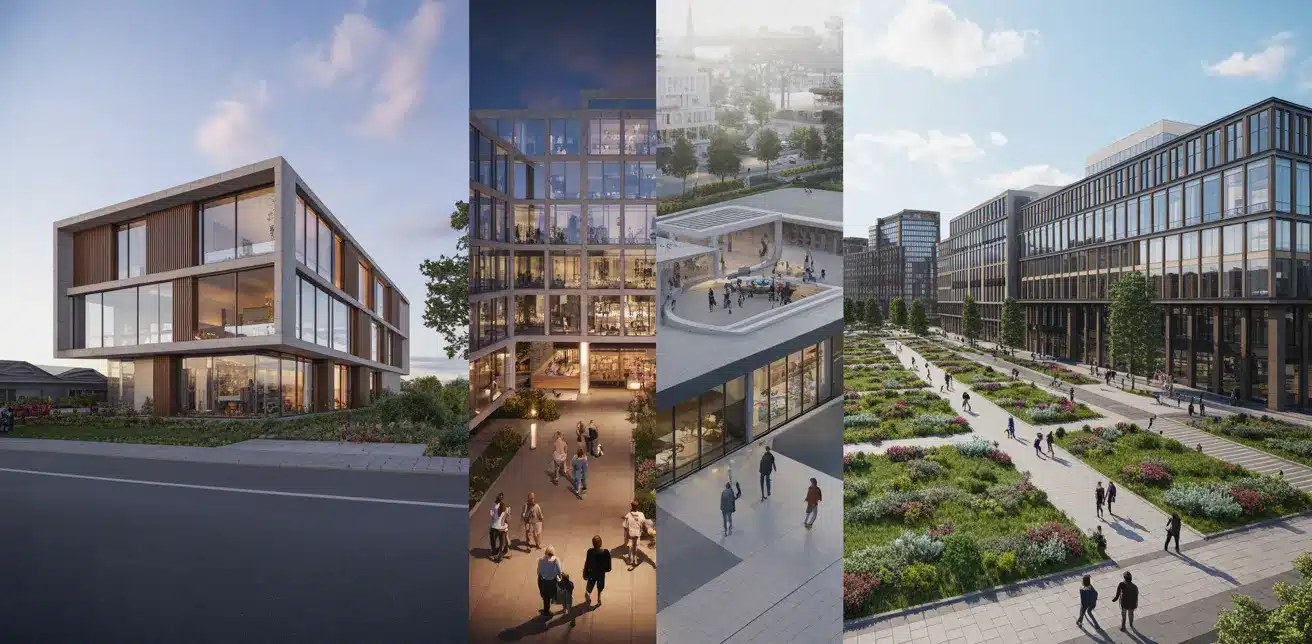
For architects, 3D exterior rendering plays a critical role in both the conceptual and final stages of a project. During the early phases, it allows them to experiment with different architectural styles, materials, and layouts. In the later stages, it provides a clear, realistic vision of the final design that can be presented to clients and investors.
- Marketing and Real Estate Sales
In the real estate industry, 3D rendering house exteriors has revolutionized how properties are marketed. Developers and real estate agents use exterior renders to create stunning visuals that showcase properties to potential buyers. These renderings are often used in online listings, brochures, and digital presentations, helping to sell properties faster and at higher prices by showcasing the potential of a home or building.
- Urban Planning and Landscape Design
In urban planning and landscape architecture, 3D architectural exterior rendering allows professionals to visualize how a building will fit within its surroundings. By rendering the building alongside its environment, such as streets, parks, or neighboring structures, architects can better assess its impact on the local area and make informed design decisions.
- Virtual Tours and Walkthroughs
3D exterior renderings can also be incorporated into virtual tours or walkthroughs, offering potential buyers an immersive experience. These virtual tours allow clients to explore the exterior and interior of a property remotely, enhancing their overall experience and speeding up the decision-making process.
Advantages of Using a Professional 3D Exterior Rendering Company
- Expertise and Accuracy
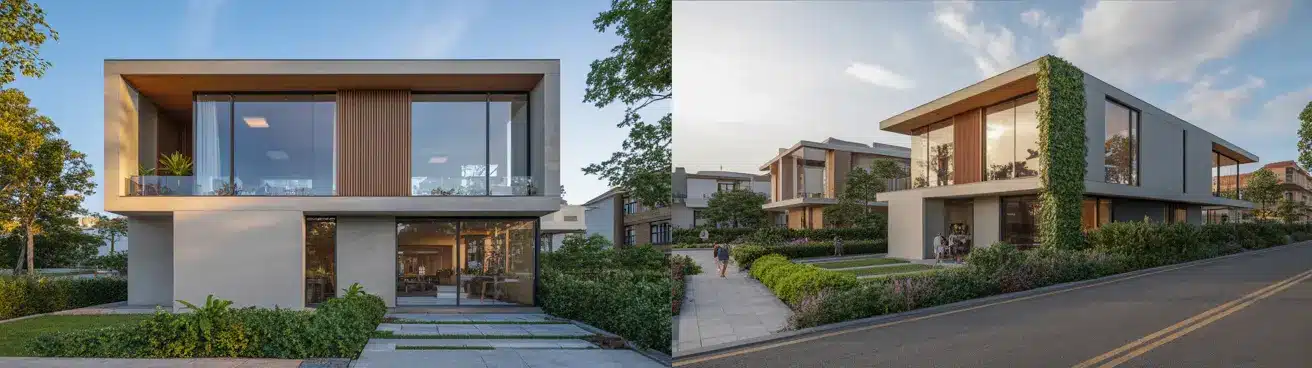
Hiring a professional 3D exterior rendering company ensures that your renders are accurate and high-quality. These companies use advanced software and have skilled designers who specialize in creating photorealistic visuals. Their expertise allows them to deliver renders that capture every detail of your design, from lighting and textures to intricate architectural elements.
- Customization and Flexibility
A professional rendering service can tailor the exterior renderings to meet your specific needs. Whether you’re looking for a realistic view of a modern home, a classic building, or a commercial space, they can customize the render to showcase your design in the best light.
- High-Quality Results
With access to the latest tools and technology, a professional company can deliver top-tier results that reflect the vision of the architect or designer. The quality of the renders can significantly influence the perception of a project by clients and stakeholders, making it a worthwhile investment.
Conclusion: Why 3D Exterior Rendering is Essential for Architectural Success
In conclusion, 3D exterior rendering has become an essential tool in architectural design, providing valuable insights during the design process and improving client engagement. By offering a realistic, detailed view of building exteriors, architects and designers can communicate their ideas more effectively and make more informed decisions. Whether for marketing purposes, client presentations, or design optimization, 3D exterior renderings enhance the overall architectural experience.
For those looking to showcase their designs in the best possible light, investing in 3D architectural exterior rendering services is a smart choice that will not only improve the design process but also increase the likelihood of project success.