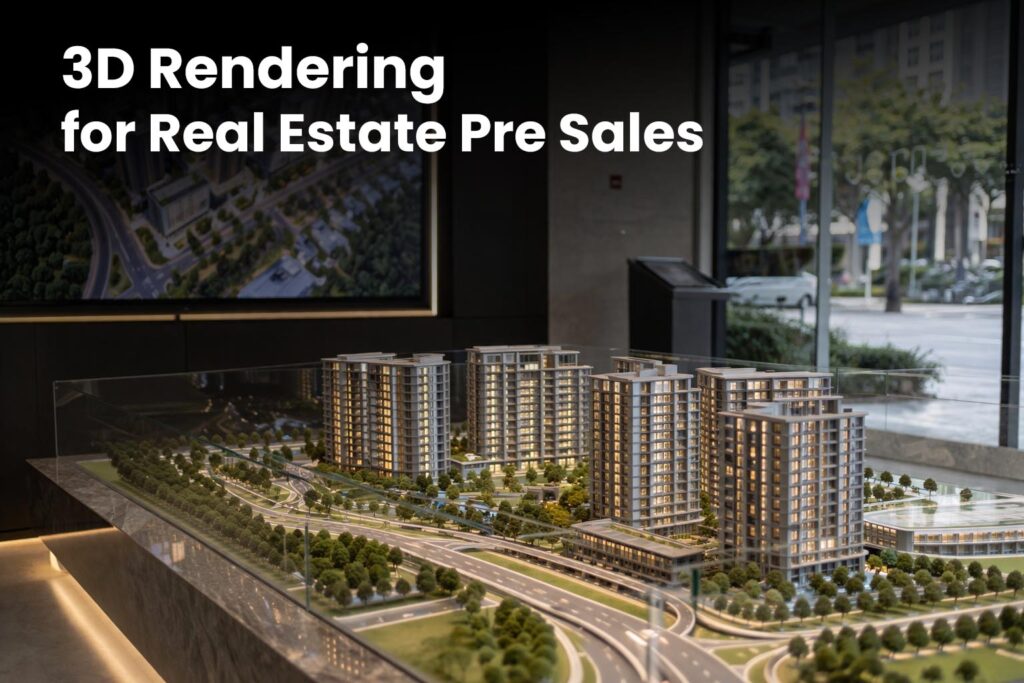
In real estate development, timing is everything. The faster you secure pre-sales, the stronger your cash flow, the lower your financial risk, and the more confident your stakeholders become. That’s why 3d rendering for real estate pre sales has become an essential strategy for developers aiming to sell faster and more effectively.
But here’s the challenge:
How do you sell something that doesn’t exist yet?
This is where 3D rendering has become a critical tool—not just for visualization, but for accelerating pre-sales and improving buyer confidence.
What is 3D Rendering in Real Estate?
3D rendering in real estate refers to the creation of photorealistic images, animations, and virtual experiences of properties before they are built.
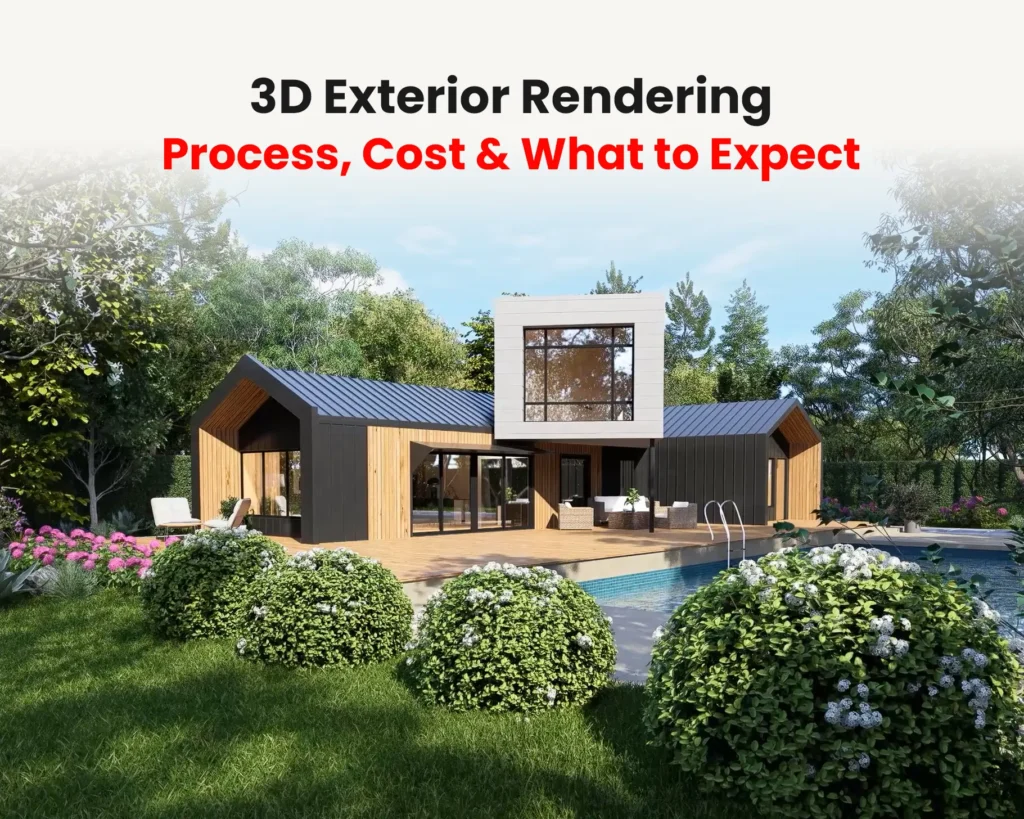
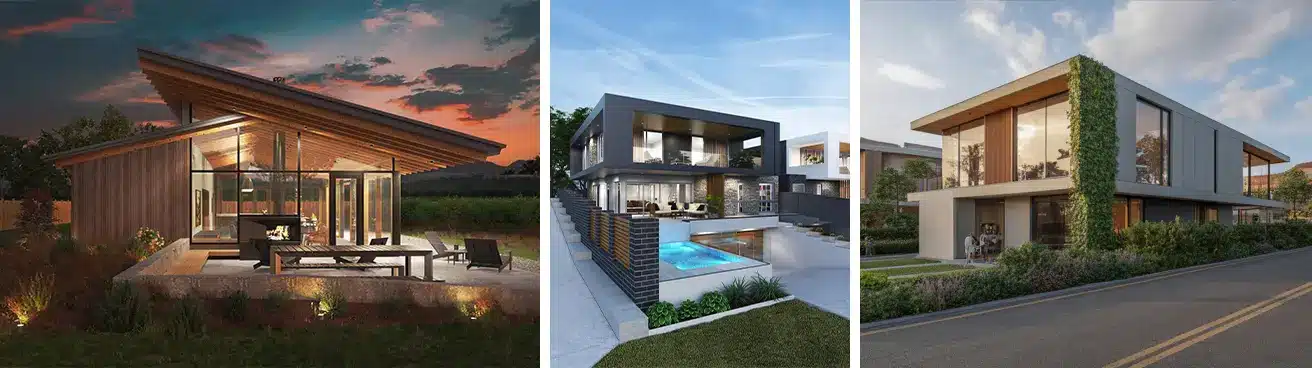
- Exterior building renders
- Interior design visualizations
- 3D floor plans
- Aerial views and masterplans
Instead of relying on technical drawings, developers can present projects in a way that feels real, tangible, and emotionally engaging.
Why Pre-Sales Matter So Much
Pre-sales are not just early transactions—they are strategic milestones.
They help developers:
- Secure financing from banks and investors
- Validate market demand
- Reduce inventory risk
- Improve project credibility
However, convincing buyers to invest early requires one thing above all:
👉 Trust in something they cannot physically see
1. Turning Blueprints into Buyer-Ready Experiences
Traditional architectural drawings are difficult for most buyers to understand.
Floor plans and elevations may make sense to architects, but for the average buyer:
- Scale is confusing
- Spatial relationships are unclear
- Final outcomes are hard to imagine
3D rendering transforms these technical assets into clear, visual stories.
Buyers can instantly see:
- What the building will look like
- How spaces connect
- How big or small areas feel
👉 Result: Faster understanding → Faster decisions
2. Building Trust Before Construction Begins
Buying property before construction is a leap of faith.
Low-quality visuals create doubt:
- “Will it actually look like this?”
- “Are they overpromising?”
High-quality 3D rendering reduces that uncertainty by showcasing:
- Realistic materials and finishes
- Accurate lighting conditions
- Detailed environments
The more realistic the visuals, the more buyers feel:
“This is real. I can trust this project.”
👉 Result: Higher confidence → Increased pre-sale conversions
3. Creating Emotional Connection That Drives Action

Real estate is not just a financial decision—it’s an emotional one.
Buyers are not purchasing walls and floors.
They are buying:
- A future home
- A lifestyle
- A vision of their daily life
3D rendering allows developers to create lifestyle-driven visuals:
- A cozy living room at sunset
- A bright kitchen filled with natural light
- A balcony with a scenic view
These images help buyers imagine:
“This could be my life.”
👉 Result: Stronger emotional attachment → Faster commitment
4. Selling Multiple Units Without Physical Show Flats
Building physical sample units is expensive and time-consuming.
3D rendering eliminates this limitation by offering:
- Fully visualized interiors for different unit types
- Virtual staging for empty spaces
- Multiple design themes for the same layout
Developers can showcase:
- Studio apartments
- Family units
- Luxury penthouses
All without constructing a single physical model.
👉 Result:
- Lower upfront costs
- Faster marketing launch
- More units sold earlier
5. Enabling Global and Remote Sales
Today’s buyers are not always local.
Many investors and end-users:
- Live abroad
- Prefer online decision-making
- Rely on digital experiences
3D rendering supports:
- Online listings with high-quality visuals
- Virtual tours and walkthroughs
- Interactive presentations
This allows developers to sell properties globally, without requiring physical visits.
👉 Result: Wider reach → Faster sales velocity
Reports by McKinsey & Company highlight the growing shift toward digital-first buying behavior in real estate.
6. Faster Marketing Campaign Execution
Traditional marketing often depends on construction progress.
With 3D rendering, marketing can start immediately.
Developers can create:
- Brochures
- Website visuals
- Social media campaigns
- Billboards and ads
All before construction begins.
This early momentum helps:
- Build anticipation
- Generate leads
- Close deals sooner
👉 Result: Shorter sales cycles
7. Flexibility to Adapt Based on Buyer Feedback
Market preferences change quickly.
Without rendering, making changes late in the process is costly.
With 3D rendering, developers can:
- Adjust layouts visually
- Update materials or finishes
- Test different design concepts
This flexibility allows developers to align with buyer expectations before construction is finalized.
👉 Result:
Better product-market fit → Higher conversion rate in pre-sales
8. Competitive Advantage in Crowded Markets
In many markets, buyers compare multiple projects before deciding.
Projects with:
- Basic visuals
- Poor presentations
Often lose attention quickly.
On the other hand, projects with:
- High-end 3D renders
- Clear storytelling
- Engaging visuals
Stand out immediately.
This is especially true in competitive markets like Los Angeles, where 3D exterior rendering for LA real estate developers has become essential for standing out among dozens of comparable listings.
👉 Result:
More inquiries → More site visits (or virtual visits) → Faster bookings
9. Supporting Investor Confidence
Pre-sales are not only about buyers—they also influence investors and financial institutions.
Strong visual presentations help:
- Communicate project vision clearly
- Demonstrate professionalism
- Reduce perceived risk
Investors are more likely to fund projects that are:
- Well-presented
- Easy to understand
- Visually convincing
👉 Result: Faster funding + smoother project execution
10. Reducing Sales Team Friction
A sales team is only as effective as the tools they use.
Without strong visuals, sales conversations become:
- Long explanations
- Complex descriptions
- Repeated clarifications
With 3D rendering, visuals do most of the work.
Sales teams can:
- Show instead of explain
- Answer questions visually
- Close deals faster
👉 Result: Higher efficiency per sales interaction
Final Thoughts
3D rendering is no longer just a design support tool—it’s a core sales driver in modern real estate. In fact, 3d rendering for real estate pre sales has become essential for developers who want to communicate clearly, build trust early, and close deals faster.
For developers, the ability to:
- Communicate clearly
- Build trust early
- Create emotional engagement
Directly impacts how fast pre-sales are closed.
To summarize, 3D rendering helps developers close pre-sales faster by:
- Turning complex plans into simple visuals
- Building trust through realism
- Creating emotional connections with buyers
- Enabling early and global marketing
- Reducing sales friction and uncertainty
In a market where buyers are making decisions earlier than ever, the projects that win are the ones that are easiest to understand—and easiest to believe in.