
Real estate professionals operate in a competitive environment where precision, clarity, and buyer engagement determine the success of every listing. Today, one of the most strategic tools brokers rely on is 3D architecture visualization. This technology has transformed property marketing, enabling brokers to present properties in a way that is visually compelling, data-driven, and aligned with modern buyer expectations. Understanding why real estate brokers invest in 3D architecture visualization is essential for anyone seeking to stay relevant in the evolving marketplace.
Understanding 3D Architecture Visualization
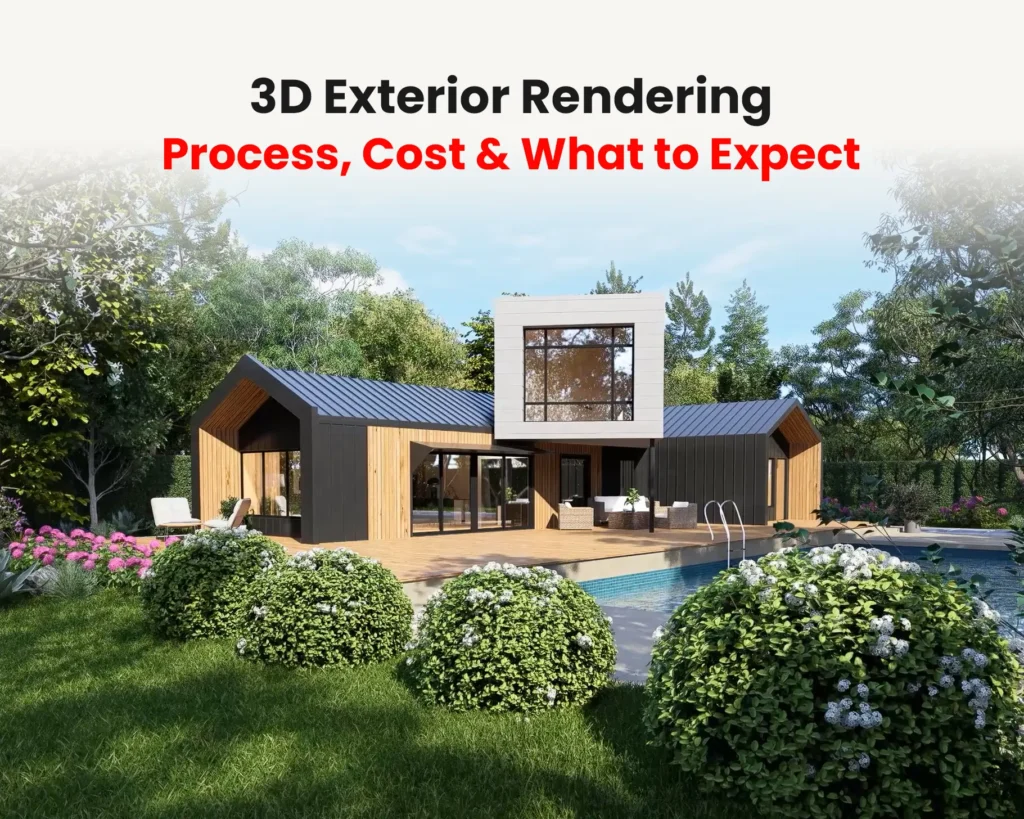
3D architecture visualization is the process of creating digital, three-dimensional representations of architectural structures. These visuals help buyers interpret space, design elements, layout, and aesthetics with clarity that traditional formats rarely achieve.
Whether used for new developments or existing properties, 3D visualization provides realistic models that simulate lighting, textures, colors, and architectural details—offering a near-photographic depiction of the final structure.
Evolution of Visual Technology in Real Estate
The real estate industry has long relied on visuals, starting from sketches and floor plans. Over time, technological advances pushed the industry from flat 2D drawings to dynamic, immersive 3D content.
A few decades ago, a high-quality printed brochure was considered premium marketing. Today, brokers must offer virtual walkthroughs, photorealistic renders, and interactive floor plans to stay competitive. This evolution is driven by the digital-first nature of modern buyers who expect accuracy and convenience.
Key Reasons Brokers Prioritize 3D Visualization
Real estate brokers invest in 3D visualization because it addresses critical challenges in property marketing while offering measurable business benefits.
Enhancing Buyer Engagement and Interest
Buyers are more likely to connect with a property when they can visualize it clearly. With 3D visualization, brokers can present properties in a way that sparks emotion and interest.
Benefits include:
- Helping buyers form immediate emotional connections
- Making listings visually appealing and memorable
Improving Listing Quality and Market Positioning
High-quality visuals set a listing apart in a saturated market. Brokers using 3D assets can present properties with unmatched clarity, realism, and design depth.
This positions them as forward-thinking and customer-centric, enhancing their professional reputation.
Accelerating Sales Cycles for Brokers
Fast decision-making is one of the biggest advantages that 3D visualization brings to brokers. When buyers have access to immersive visuals, they spend less time trying to interpret blueprints or imagining spaces.
This leads to:
- Faster buyer approvals
- Reduced back-and-forth communication
- Quicker closing cycles
Business-Level Benefits of 3D Visualization
Beyond marketing, brokers gain operational and strategic value from this technology.
Reducing Miscommunication and Project Risks
Traditional drawings can lead to misunderstandings, especially in off-plan property sales. 3D visuals eliminate ambiguity by presenting highly detailed representations that leave no room for guesswork.
Supporting Pre-Sales and Off-Plan Projects
Developers heavily rely on brokers to sell properties that haven’t been built yet. 3D architecture visualization becomes indispensable in such cases, as it allows brokers to present the full vision before construction begins.
Strengthening Brand Credibility for Agencies
Real estate professionals who adopt modern marketing tools are seen as more credible and trustworthy. Using 3D visual content signals professionalism, technological awareness, and market expertise.
How 3D Visualization Impacts Buyer Psychology
Real estate purchases are emotional decisions influenced by clarity and confidence. 3D visualization directly affects how buyers think and feel.
Helping Buyers Visualize Spaces Before Construction
Many buyers struggle to interpret 2D drawings. 3D imagery bridges this gap by offering a lifelike view of the property.
This increases:
- Trust in the project
- Buyer confidence
Creating Memorable, High-Impact Visuals
Listings with compelling visuals are far more likely to capture attention. High-impact digital assets also improve a broker’s online presence, especially on platforms like listing sites and social media.
Cost Efficiency and Long-Term Value
While 3D visualization involves an initial investment, it saves costs in the long run.
Reusable Digital Assets for Multiple Campaigns
Brokers can use the same renderings for:
- Online listings
- Print marketing
- Presentations
- Investor pitches
This reduces the need for multiple photoshoots or design revisions.
Minimizing Physical Staging Expenses
Virtual staging has become a cost-effective alternative to traditional staging. It eliminates the need for furniture rentals or on-site preparations while offering visually appealing room setups.
Common Types of 3D Visualization Used by Brokers

Different visual formats serve different purposes in the sales process.
Photorealistic Renders
These are still images that resemble real photographs. They highlight lighting, textures, and architectural finishes with impressive realism.
Virtual Tours and Walkthroughs
These interactive models allow buyers to move through the property digitally, exploring every room and angle at their own pace.
Interactive Floor Plans
Unlike static drawings, interactive floor plans let buyers understand the spatial relationship between rooms in a dynamic, user-friendly way.
FAQs About Why Real Estate Brokers Invest in 3D Architecture Visualization
1. Is 3D visualization only useful for off-plan properties?
No. It’s valuable for both existing and upcoming properties, enhancing marketing and presentation for all types.
2. Do 3D renders reduce the need for professional photography?
They complement photography and often serve as the primary visual for unbuilt projects.
3. Are buyers more likely to inquire after seeing 3D visuals?
Yes. Higher-quality visuals significantly increase inquiry rates.
4. Is the technology expensive for brokers?
While there is a cost, the long-term ROI outweighs the initial investment.
5. Can 3D visualization reduce project misunderstandings?
Absolutely. It provides clarity that traditional drawings often lack.
6. Are brokers using 3D visualization viewed as more credible?
Yes. It demonstrates professionalism, modernity, and attention to detail.
Real estate brokers invest in 3D architecture visualization because it enhances buyer engagement, speeds up sales cycles, improves listing quality, and increases trust. As the industry continues to shift toward digital-first marketing, brokers leveraging 3D technology position themselves as leaders with a competitive edge.
For more insight into 3D visualization trends, visit industry resources like ArchDaily for up-to-date architectural innovations.