In today’s highly visual digital marketplace, 3D furniture modeling services have become a core asset for manufacturers, retailers, interior designers, and eCommerce brands. As online competition intensifies and customers demand realistic previews before purchasing, traditional product photography alone is no longer enough. Businesses now rely on photorealistic 3D furniture models, furniture visualization services, and CGI-based marketing assets to stay ahead.
In this 3D Furniture Modeling Services Guide, you will discover what 3D furniture modeling services are, how they work, why they matter, and how to choose the right 3D furniture modeling company for your brand.
What Are 3D Furniture Modeling Services?
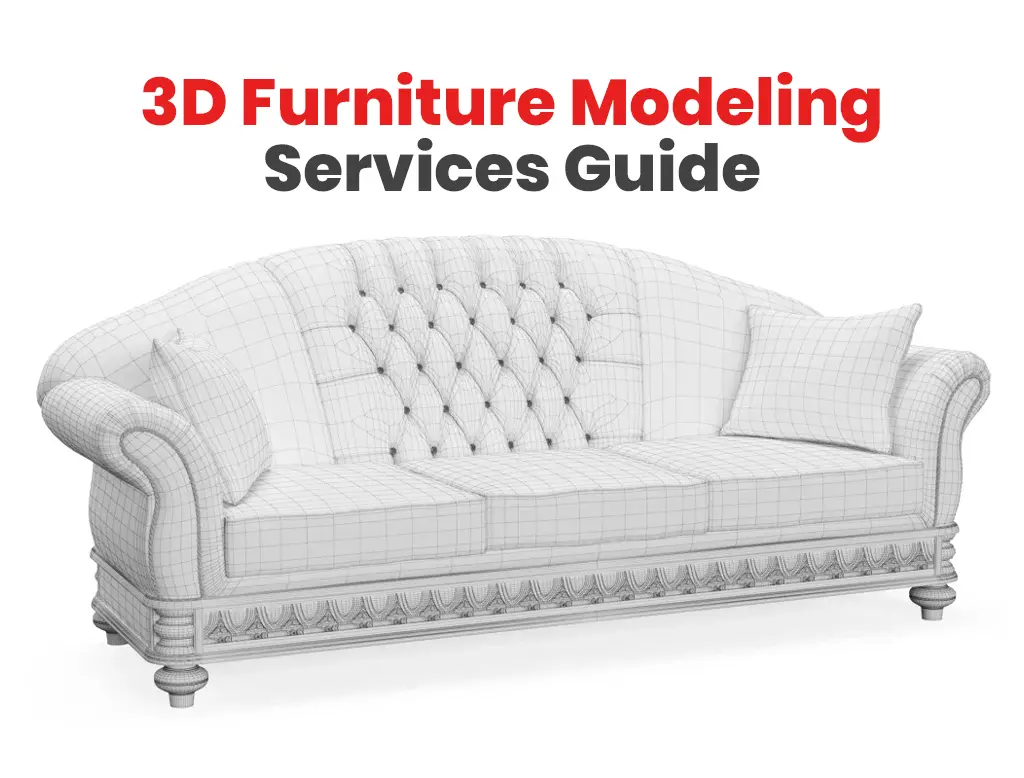
3D furniture modeling services involve creating accurate digital representations of furniture products using specialized 3D modeling software. These models replicate real-world dimensions, materials, textures, finishes, and construction details.
A professional 3D furniture modeling workflow typically includes:
- Reference collection (CAD drawings, sketches, product specs, photos)
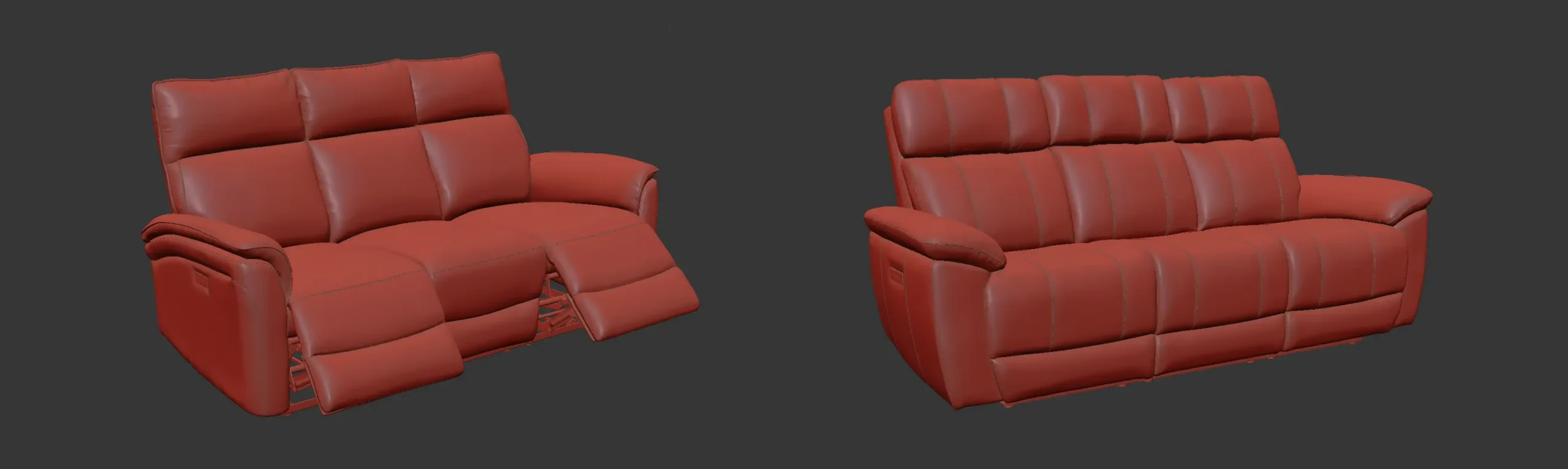
- 3D geometry modeling
- UV mapping and texturing
- Material creation (wood, metal, fabric, leather, glass, etc.)
- Lighting setup
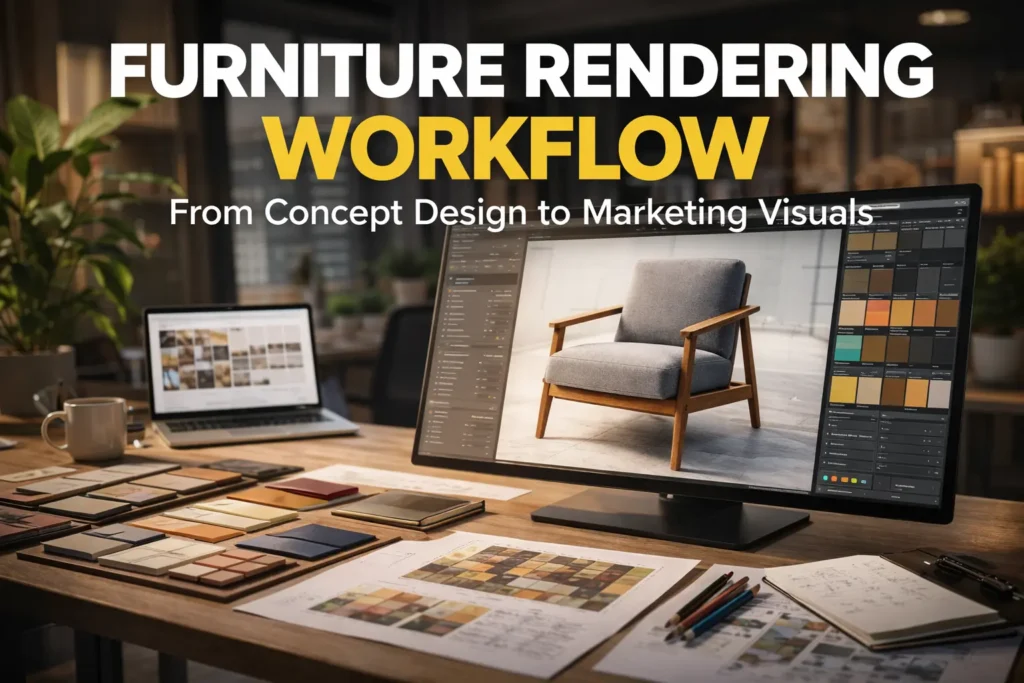
- Rendering and post-production
- File optimization for various platforms
The final output can be used for:
- eCommerce product listings
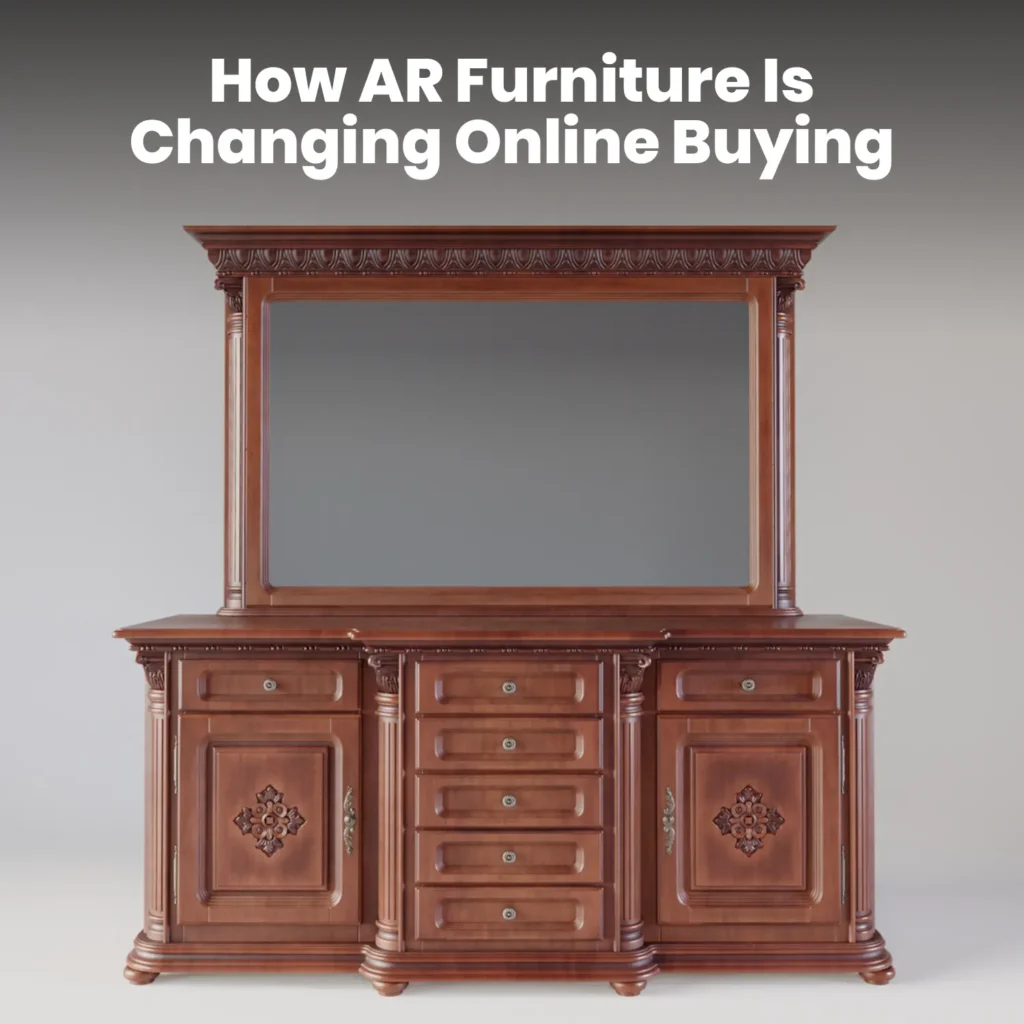
- AR furniture visualization
- Virtual staging
- Product configurators
- Marketing campaigns
- Furniture catalogs
- Manufacturing presentations
This process supports modern digital transformation strategies across the furniture industry.
Why 3D Furniture Modeling Is Essential in 2026
1. Growth of eCommerce Furniture Sales
Online furniture sales continue to grow rapidly. However, furniture is a high-consideration purchase. Customers want to see:
- Accurate dimensions
- Realistic textures
- Fabric details
- True-to-life colors
- Room placement previews
High-quality 3D furniture rendering bridges the gap between online browsing and physical experience.
2. Demand for AR and VR Experiences
Augmented reality (AR) and virtual reality (VR) have reshaped how customers shop. Platforms like IKEA use AR apps that allow customers to place furniture virtually in their homes before purchasing.
To enable this, brands require optimized 3D furniture models compatible with:
- AR product visualization tools
- Web-based 3D viewers
- Mobile AR applications
- Virtual showrooms
Without professional 3D models, these experiences aren’t possible.
3. Faster Product Launch Cycles
With 3D furniture modeling, companies can:
- Render products before manufacturing
- Test design variations digitally
- Create marketing assets before production
- Reduce photography costs
This significantly shortens time-to-market and improves product development efficiency.
Types of 3D Furniture Modeling Services
Different business goals require different types of modeling services. Understanding these categories helps you choose the right solution.
1. High-Poly Photorealistic Modeling
Used primarily for:
- Marketing visuals
- Catalog renders
- Lifestyle scenes
- Advertising campaigns
These models focus on maximum detail, including:
- Fine stitching
- Wood grain realism
- Fabric texture depth
- Micro surface imperfections
This is ideal for photorealistic furniture render projects.
2. Low-Poly Optimized Models
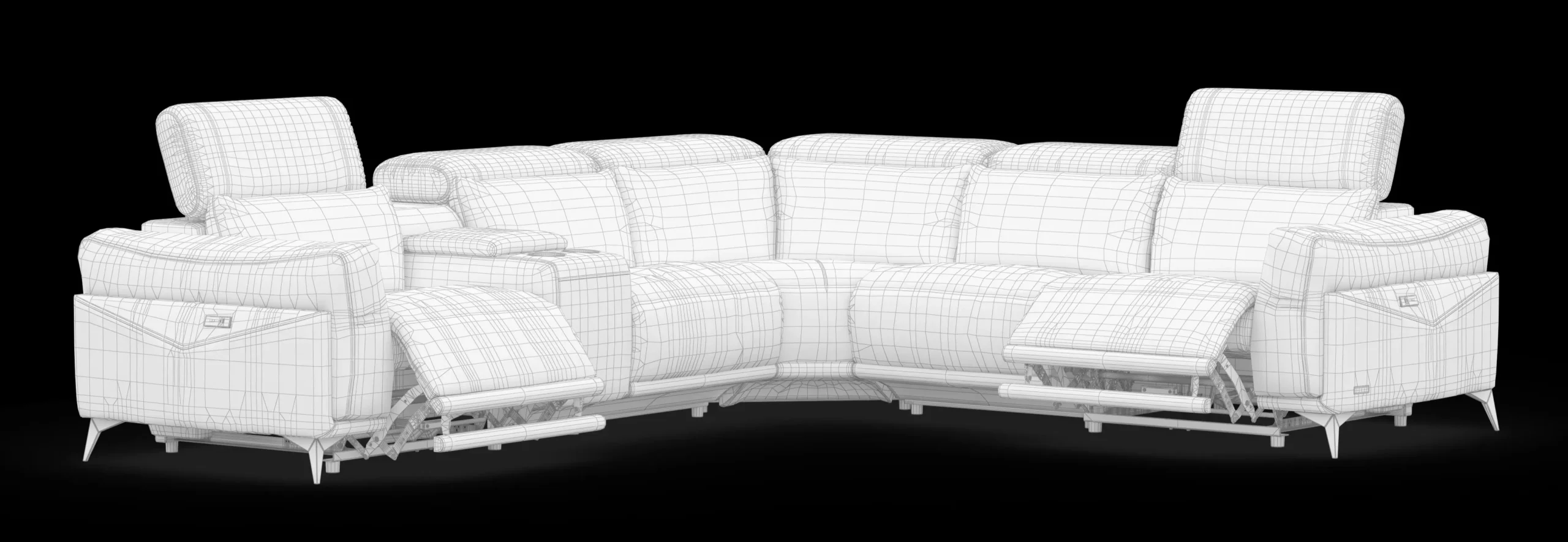
Designed for:
- AR/VR applications
- Web-based product configurators
- Mobile platforms
- Real-time rendering engines
These models maintain visual quality while reducing file size and improving loading speed.
3. CAD-Based Furniture Modeling
For manufacturers, CAD-based 3D furniture modeling ensures:
- Accurate dimensions
- Engineering compatibility
- Manufacturing precision
- Technical documentation integration
These models often integrate with production workflows and industrial design pipelines.
4. Furniture Product Configurator Models
Many brands now offer customization options such as:
- Fabric color variations
- Wood finish options
- Leg style changes
- Modular arrangements
This requires parametric 3D furniture models that support real-time customization in online configurators.
Industries That Benefit from 3D Furniture Modeling
3D furniture modeling services are not limited to retailers. They serve multiple industries:
- Furniture manufacturers
- eCommerce furniture brands
- Interior designers
- Real estate developers
- Hospitality design firms
- Architectural visualization studios
- Marketing agencies
For example, companies like Wayfair rely heavily on high-quality product visuals to maintain competitive advantage in the digital furniture marketplace.
Key Benefits of Professional 3D Furniture Modeling
1. Cost-Effective Alternative to Product Photography
Traditional photography requires:
- Studio rental
- Shipping physical products
- Multiple lighting setups
- Reshoots for revisions
With 3D modeling:
- No physical product is needed
- Unlimited revisions are possible
- Lighting and angles can be changed instantly
- Multiple variations can be created from one model
Over time, this significantly reduces marketing production costs.
2. Unlimited Creative Flexibility
3D furniture models allow brands to create:
- White background renders
- Lifestyle scenes
- Seasonal marketing visuals
- Close-up material shots
- Exploded views
- Technical cutaways
This flexibility is impossible with traditional photography alone.
3. Enhanced Customer Confidence
Detailed, realistic 3D product visualization reduces uncertainty in online purchases. Customers can inspect:
- Texture quality
- Proportions
- Fabric patterns
- Material combinations
This leads to:
- Higher conversion rates
- Lower return rates
- Improved customer satisfaction
4. Sustainability and Reduced Waste
Producing fewer physical samples for photography and marketing reduces:
- Material waste
- Transportation emissions
- Studio resource consumption
3D furniture modeling supports sustainable business practices.
The 3D Furniture Modeling Workflow Explained
A professional 3D furniture modeling company follows a structured process:
Step 1: Brief & Asset Collection
Clients provide:
- Technical drawings
- Product measurements
- Reference images
- Material specifications
- Brand guidelines
Clear documentation ensures modeling accuracy.
Step 2: 3D Modeling
Artists create the furniture geometry using professional software such as:
- Blender
- 3ds Max
- Maya
- Cinema 4D
The focus is on maintaining real-world scale and structural integrity.
Step 3: Texturing & Materials
Realistic materials are created for:
- Wood grain
- Metal finishes
- Upholstery fabrics
- Leather
- Glass
- Plastic components
High-resolution texture mapping ensures realism.
Step 4: Lighting & Rendering
Lighting plays a critical role in achieving photorealism. Techniques include:
- HDRI lighting
- Studio lighting simulation
- Natural daylight setup
- Soft shadow control
Rendering engines generate high-quality output suitable for commercial use.
Step 5: Post-Production & Delivery
Final adjustments may include:
- Color correction
- Background refinement
- Shadow enhancement
- File format optimization (JPEG, PNG, WebP, GLB, FBX, OBJ)
Files are then delivered based on intended usage—eCommerce, AR, configurator, or marketing.
How to Choose the Right 3D Furniture Modeling Company
Selecting the right service provider directly impacts your brand image. Consider the following:
1. Portfolio Quality
Look for:
- Photorealistic detail
- Accurate materials
- Consistent lighting
- Real-world scale accuracy
Avoid overly artificial or unrealistic renders.
2. Industry Experience
Choose studios experienced in:
- Furniture product rendering
- eCommerce product visualization
- AR-ready model creation
- Furniture lifestyle rendering
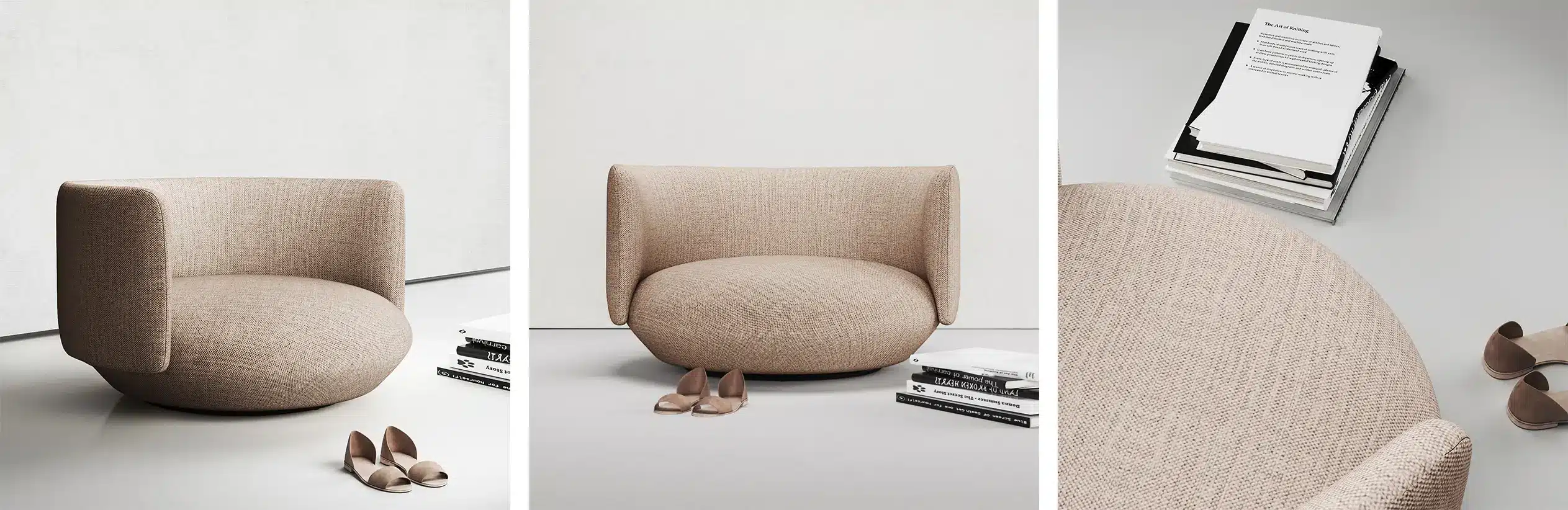
Lifestyle render of Baixo Lounge Chair in real-world use
Industry specialization ensures better understanding of materials and construction.
3. Technical Capability
Confirm that the company can deliver:
- High-poly marketing models
- Low-poly optimized models
- Configurator-ready assets
- CAD integration
4. Revision Policy
Professional studios typically offer structured revision cycles to ensure accuracy and client satisfaction.
5. Communication & Workflow Transparency
Clear project timelines, milestone updates, and technical documentation are essential for long-term partnerships.
Future Trends in 3D Furniture Modeling
The industry continues evolving with technological innovation:
AI-Assisted Modeling
AI tools are accelerating modeling workflows and automating texture generation.
Real-Time Rendering Engines
Game-engine technology enables interactive product experiences.
WebGL-Based Product Viewers
Customers can rotate, zoom, and customize furniture directly in browsers.
Digital Twin Technology
Manufacturers are increasingly creating digital twins of products for lifecycle management.
Brands that invest early in these technologies gain long-term competitive advantages.
Final Thoughts
3D furniture modeling services are no longer optional—they are foundational for modern furniture brands. From photorealistic product renders to AR-ready models and customizable product configurators, 3D visualization transforms how furniture is designed, marketed, and sold.
Whether you are a furniture manufacturer aiming to reduce prototyping costs, an eCommerce brand seeking higher conversions, or a design studio delivering immersive client presentations, investing in professional 3D furniture modeling services is a strategic decision.
In an industry where visual presentation directly impacts revenue, high-quality 3D furniture models are not just digital assets—they are powerful sales tools.