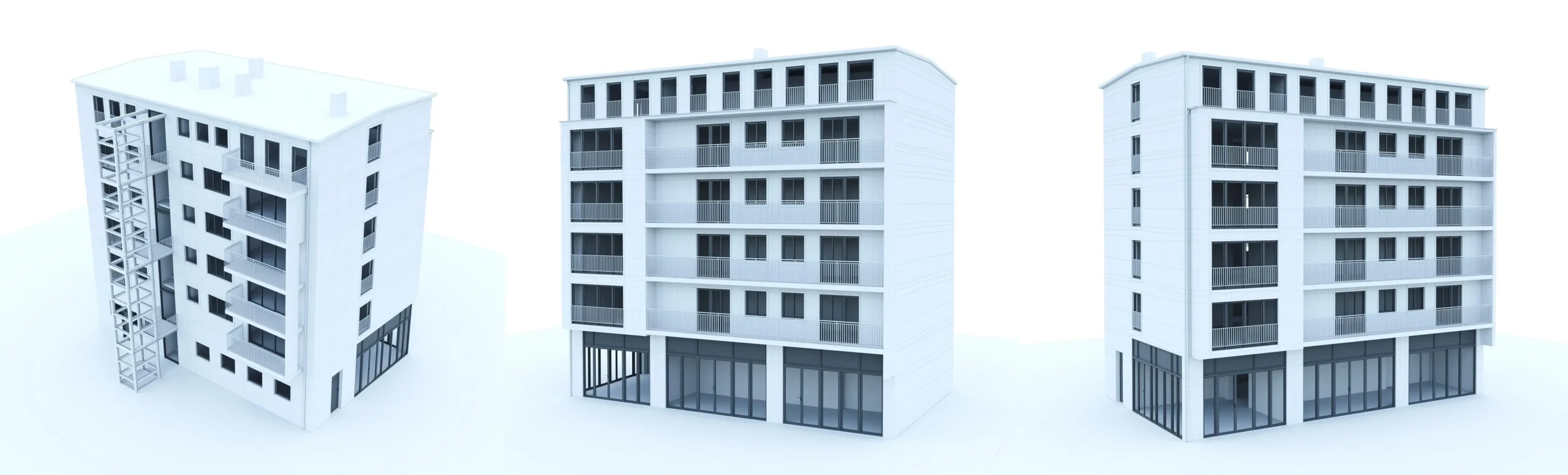
In today’s competitive property market, architectural 3D modelling has become one of the most valuable tools for real estate developers. It enhances project clarity, supports investor confidence, accelerates sales, and reduces costly design revisions. As digital transformation reshapes the real estate sector, understanding the ROI of architectural 3D modelling for real estate developers is no longer optional—it’s a strategic necessity.
Architectural 3D modelling allows developers to visualize spaces long before construction begins. By translating plans into realistic renders or walkthroughs, project teams can identify challenges early, optimize layouts, and present clearer ideas to stakeholders. This article explores how 3D modelling enhances financial performance, reduces risk, and maximizes returns for real estate professionals.
Why 3D Modelling Matters in Modern Real Estate
Traditional 2D drawings often limit understanding for clients, investors, and even internal teams. Many design flaws only become noticeable during or after construction, leading to expensive corrections.
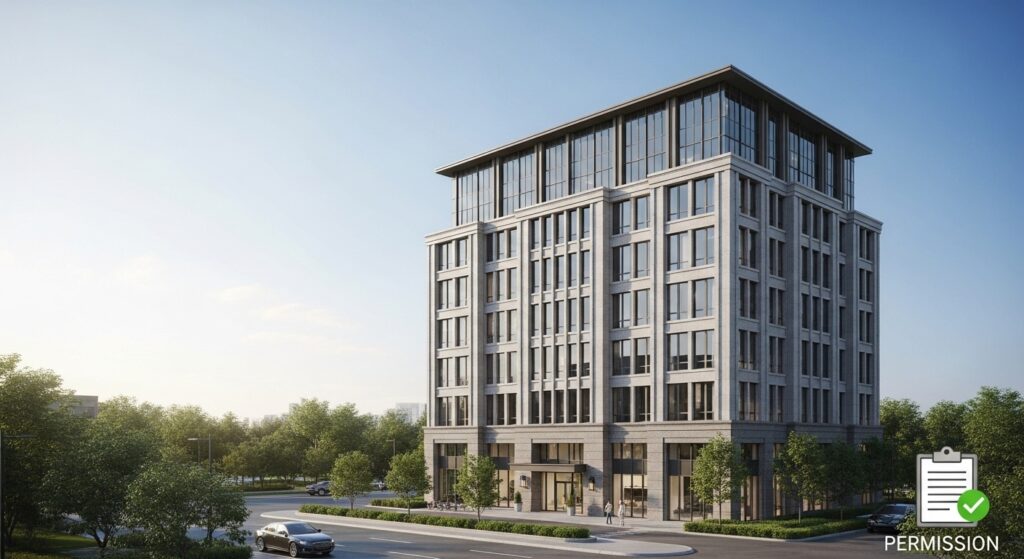
Architectural 3D modelling eliminates much of this uncertainty. Developers can preview a building’s exterior, interior, materials, lighting conditions, structural layout, and landscaping. By rendering accurate representations, teams reduce guesswork and improve decision-making.
In a market where competition is high and timelines are tight, 3D modelling offers a major advantage: it aligns expectations early. That alignment results in measurable financial benefits.
Primary ROI Drivers for Real Estate Developers
Below is one of the only small bullet lists in this article:
- Reduced design changes thanks to clearer visualizations
- Faster approval cycles from clients, investors, and authorities
- Higher pre-sales and bookings through realistic marketing visuals
- Lower construction risks because errors are caught early
- Improved investor trust with transparent, detailed presentations
Each of these supports stronger revenue growth and operational efficiency, two pillars of ROI in real estate development.
Reducing Design Revisions and Cost Overruns
Design changes are one of the biggest hidden costs in real estate development. When clients or regulatory bodies misunderstand plans, revisions multiply—sometimes after construction has already begun. Architectural 3D modelling significantly reduces this problem.
Before spending on materials or labor, developers can visualize:
- Floor plans
- Elevations
- Lighting effects
- Material combinations
- Furniture layouts
- Landscape arrangements
Because clients see realistic representations, they make decisions faster and with greater confidence. Fewer revisions translate directly into financial savings and fewer scheduling delays—two key contributors to strong ROI.
Accelerating Approval and Planning Processes
Real estate developers often face complex approval processes. Stakeholders such as engineers, planners, financiers, and municipal authorities must fully understand project designs. Architectural 3D models enhance clarity and reduce misinterpretation, helping teams secure approvals in less time.
A 3D model communicates information far more effectively than technical drawings, especially for non-technical decision-makers. Faster approvals mean earlier construction start dates, accelerated marketing timelines, and reduced holding costs—all contributing to improved project profitability.
Boosting Marketing and Sales Performance
One of the most impactful benefits of architectural 3D modelling is its ability to strengthen marketing and sales strategies. Buyers today expect to see realistic previews, not blueprints. They want to imagine themselves living or working in a space. Developers who provide immersive visuals create stronger emotional engagement and increase conversion rates.
High-quality 3D renders can be used in:
- Brochures
- Websites
- Social media campaigns
- Advertisements
- Investor presentations
- Virtual tours
When buyers understand a project visually, they make purchasing decisions earlier in the development cycle. This improves pre-sales performance, strengthens cash flow, and boosts overall ROI.
Improving Stakeholder Communication
Strong communication is essential for real estate success. Whether collaborating with architects, engineers, contractors, or investors, 3D modelling ensures everyone sees the same vision. Clear visual communication prevents misunderstandings, disagreements, and conflicting interpretations.
When all stakeholders share a unified understanding of project details, planning becomes more efficient and costly misalignments are avoided. This enhanced communication directly strengthens ROI by minimizing disruptions.
Enhancing Investor Confidence
For developers seeking funding or partnership opportunities, 3D modelling is a powerful persuasion tool. Investors are more likely to support a project they can clearly visualize. Detailed architectural renders demonstrate professionalism, clarity, and advanced planning.
Investors feel more confident when they see:
- Detailed building exteriors
- Realistic interior layouts
- Landscaping and amenities
- Accurate lighting and materials
This level of transparency can accelerate funding approvals and improve negotiating power for developers.
Table: Key ROI Metrics Improved by 3D Modelling
Below is a simple table highlighting how architectural 3D modelling impacts profitability:
| ROI Metric | Impact of 3D Modelling |
| Design Revision Costs | Reduced by early visualization and error detection |
| Approval Timelines | Shortened due to clearer communication |
| Pre-Sales & Bookings | Increased through realistic marketing visuals |
| Stakeholder Alignment | Improved due to better clarity and collaboration |
| Construction Efficiency | Enhanced by detecting problems before building |
| Investor Funding | Accelerated through detailed project presentations |
This table summarizes how 3D modelling strengthens various financial and operational aspects of development.
Time Savings and Faster Project Delivery
Time is one of the most valuable resources in real estate development. Every delay—whether from design changes, regulatory approvals, or contractor miscommunication—adds to the overall cost. Architectural 3D modelling reduces these delays significantly.
By clarifying decisions early, teams avoid rework and prevent scheduling conflicts. Projects move forward smoothly, resources are utilized efficiently, and developers can move to the next venture faster. Speed is a direct driver of ROI, especially in competitive markets.
Minimizing Construction Risks and On-Site Errors
Construction errors are not only costly but also time-consuming. A misinterpreted blueprint or unclear elevation can lead to major structural issues that require expensive corrections. Architectural 3D modelling helps prevent these problems by offering a more detailed and intuitive representation of the project.
Contractors understand designs more accurately, subcontractors coordinate more effectively, and the overall execution becomes more precise. Fewer mistakes mean lower costs and more predictable timelines—two important factors in maximizing ROI.
Long-Term Value for Property Management and Renovation
The benefits of 3D modelling do not end after the building is complete. Developers and property managers can use 3D models for future renovations, space planning, maintenance documentation, and tenant improvements. Having a digital model reduces costs associated with measuring, planning, or redesigning spaces later.
Long-term asset value is strengthened when accurate visual documentation is available from day one.
Frequently Asked Questions
1. How does 3D modelling increase ROI for real estate developers?
It reduces design errors, accelerates approvals, enhances marketing, and prevents costly construction mistakes.
2. Are 3D models helpful for pre-sales?
Yes. Realistic visuals allow buyers to understand the property clearly, leading to faster bookings.
3. What types of projects benefit most from 3D modelling?
Residential buildings, commercial developments, mixed-use spaces, and renovation projects all gain value.
4. Does 3D modelling slow down the early design process?
Not at all. It actually speeds up decision-making by improving clarity early in the project.
5. Can 3D models replace traditional architectural drawings?
They complement them. While drawings are still required, 3D models provide a more intuitive understanding.
6. Is architectural 3D modelling cost-effective for smaller developers?
Yes, as the financial savings from reduced revisions and stronger pre-sales often outweigh the initial cost.
Understanding the ROI of architectural 3D modelling for real estate developers is essential for thriving in today’s fast-paced market. With clearer communication, reduced design errors, faster approvals, and stronger marketing performance, 3D modelling delivers measurable financial benefits at every project stage. Developers who embrace this technology position themselves for greater profitability, efficiency, and long-term success.