In today’s digital-first marketplace, brands must sell products long before customers physically experience them. Whether launching a new device, scaling an ecommerce brand, or entering a competitive retail space, visual presentation directly influences buying decisions. This is where high quality product renderings and professional 3D visualization services play a transformative role.
How Product Rendering Supports Marketing, Sales, and Launches goes beyond creating attractive visuals. Modern product rendering services also strengthen marketing strategy, accelerate sales cycles, reduce production costs, and enable brands to render products before manufacturing even begins.
This article explores how product rendering services strategically support marketing campaigns, increase sales performance, and ensure successful product launches.
What Is Product Rendering and Why It Matters
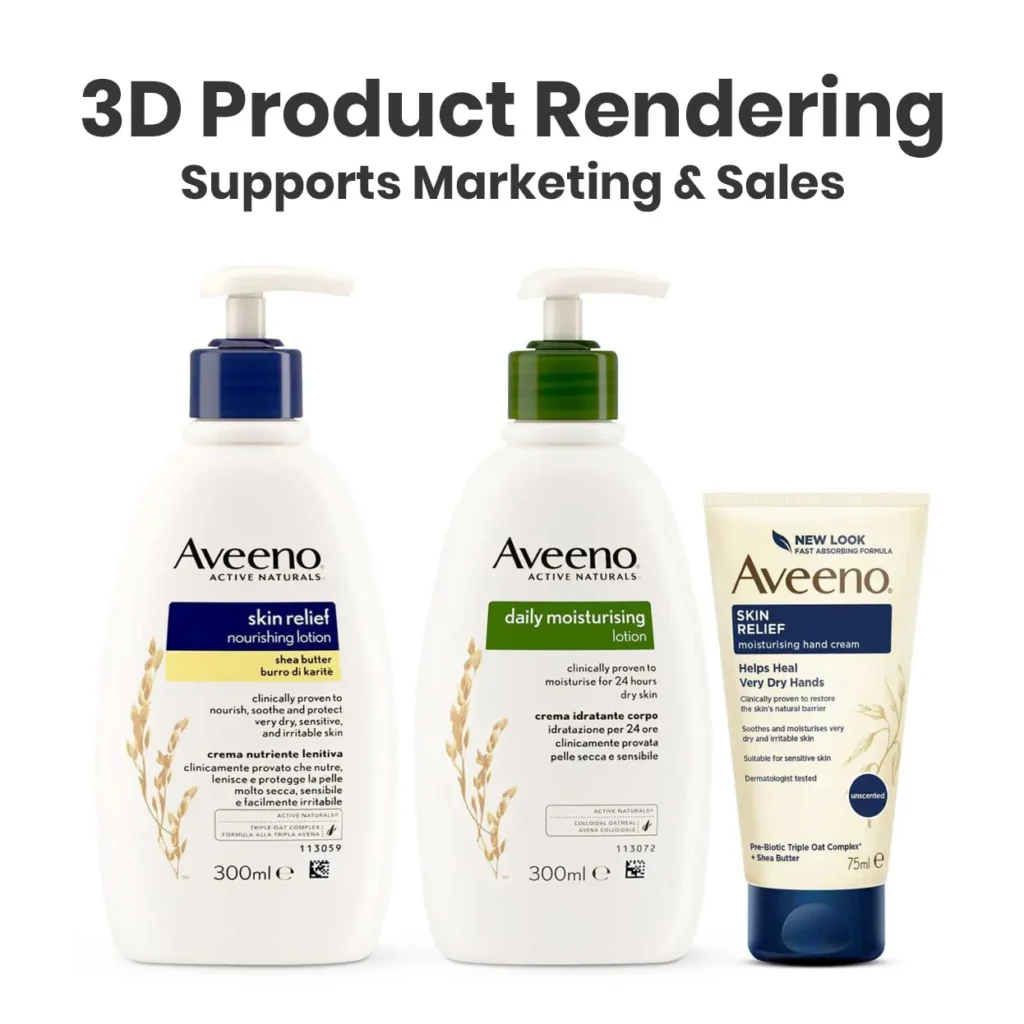
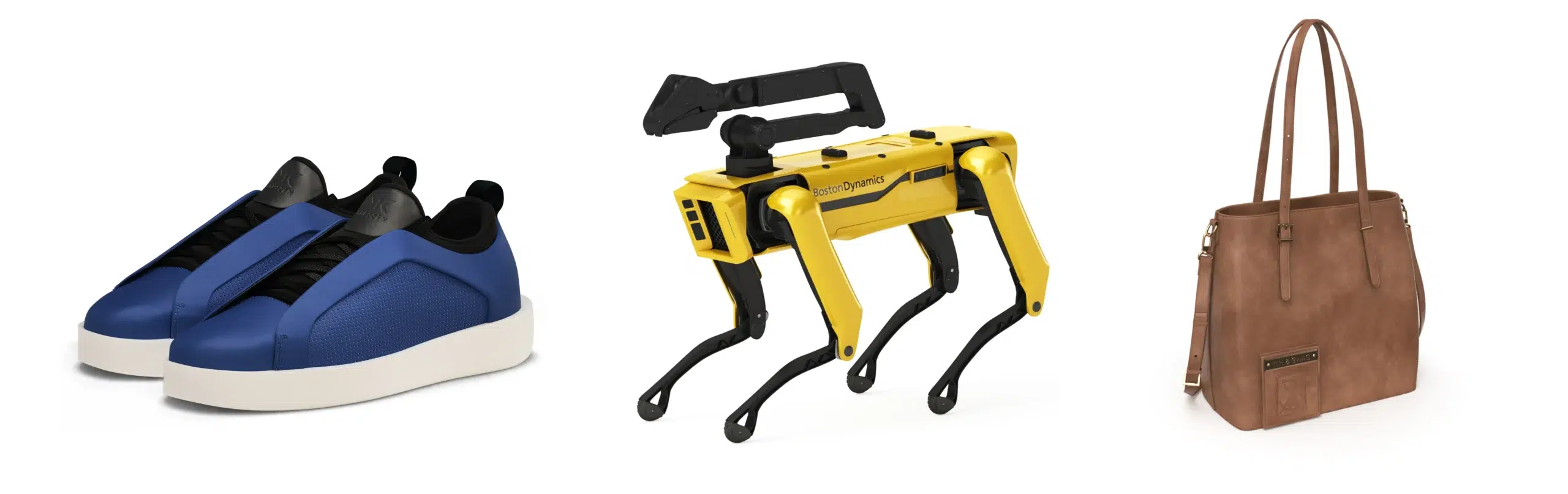
Product rendering refers to the creation of photorealistic digital images using 3D modeling and CGI (computer-generated imagery). Unlike traditional photography, ecommerce product rendering allows brands to visualize products in perfect lighting, environments, and variations without physical production.
For modern ecommerce brands, visual assets are not optional — they are conversion drivers. High-resolution, photorealistic product imagery builds trust, reduces uncertainty, and communicates product value instantly.
The real question many businesses ask today is:
“Is 3D product rendering worth it?”
The short answer: Yes — especially when marketing speed, scalability, and cost efficiency are priorities.
How Product Rendering Supports Marketing
Marketing today is content-driven. Campaigns require website banners, social media visuals, paid ads, landing pages, email graphics, product catalogs, and marketplace listings. Producing all of this through photography alone can be expensive and time-consuming.
High Quality Product Renderings Strengthen Brand Perception
Consumers associate image quality with product quality. High quality product renderings allow brands to present:
- Ultra-realistic textures
- Controlled lighting
- Clean backgrounds
- Lifestyle scenes
- 360-degree product views
- Exploded views and cutaways
This level of control ensures brand consistency across all marketing channels.
Benefits of Product Rendering in Marketing
The benefits of product rendering in marketing extend beyond aesthetics:
- Faster campaign production timelines
- Unlimited product variations (color, material, packaging)
- Easy localization for global markets
- Consistent visuals across digital platforms
- Scalable asset creation for omnichannel marketing
Because 3D assets are reusable, brands can generate endless content variations without repeated photoshoots.
Replacing Product Photography with 3D Rendering
Many brands are now replacing product photography with 3D rendering for several reasons:
- No need for physical samples
- No studio rental or logistics costs
- No weather or lighting constraints
- Instant product modifications
- Ideal for products still in development
For ecommerce brands especially, digital-first product visualization is becoming the standard rather than the exception.
How 3D Rendering Increases Sales
Visual clarity directly affects buyer confidence. When customers clearly understand what they are purchasing, hesitation decreases.
This is why businesses increasingly ask:
“How 3D rendering increases sales?”
The answer lies in conversion psychology.
Increase Conversion Rate with 3D Visualization
To increase conversion rates, brands must minimize doubt about the product’s appearance and functionality. 3D visualization achieves this by offering multiple angle views, zoomable high-resolution details, and realistic representations of materials. Customers can also see the product in context through lifestyle imagery or transparent packaging previews, which simulates the real-life experience of interacting with the product. Studies consistently show that such comprehensive visualizations reduce return rates and improve overall customer satisfaction.
Ecommerce Product Rendering and Purchase Decisions
In online shopping, buyers cannot physically inspect products, making visual representation critical. Ecommerce product rendering bridges this gap by providing realistic previews that allow shoppers to imagine how the product will look and function in their environment. When listings include high-resolution images, 360-degree spins, close-up details, and lifestyle context, customers feel more confident in their purchase decisions. This confidence leads to higher click-through rates, stronger add-to-cart behavior, and ultimately more conversions.
Benefits of 3D Product Visualization for Ecommerce Brands
For ecommerce brands, the benefits of 3D product visualization extend beyond aesthetics. Brands can optimize product pages more quickly, test different visual styles for A/B marketing, and maintain consistent branding across multiple marketplaces. They also reduce reliance on warehouse inventory for photoshoots, enabling more flexibility for seasonal promotions or product variations. For platforms like Amazon, Shopify, or direct-to-consumer stores, 3D product rendering is not just creative support—it is a measurable revenue driver that directly impacts sales performance.
Supporting Product Launches Before Manufacturing
Traditional marketing requires finished physical products before promotional materials can be created. That delays campaigns and shortens launch momentum.
With 3D rendering, brands can render product before manufacturing begins.
Pre-Launch Visualization Strategy
By visualizing prototypes digitally, companies can:
- Begin pre-orders earlier
- Build anticipation through teaser campaigns
- Test packaging concepts
- Validate design aesthetics
- Secure investor presentations
- Create pitch decks with photoreal visuals
This dramatically shortens time-to-market.
Rendering for Product Development
Product teams use 3D renders to:
- Review surface finishes
- Evaluate ergonomics visually
- Test different material simulations
- Present variations to stakeholders
Rendering bridges the gap between engineering and marketing departments, aligning visual storytelling with product functionality.
Cost Efficiency and Scalability
Producing multiple photoshoots for every product variation is expensive and time-consuming. This is where businesses often decide to outsource 3D product rendering. Outsourcing provides access to skilled professionals who can deliver consistent, high-quality visuals at scale. Instead of relying on in-house photography teams, brands can work with rendering studios that specialize in creating photorealistic product imagery.
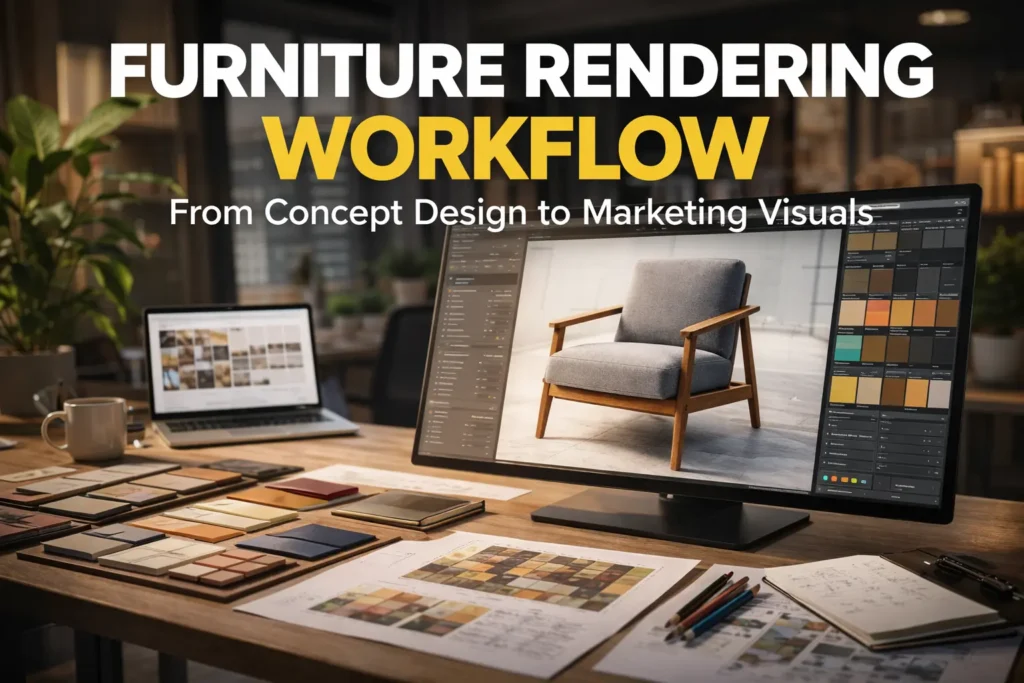
Outsourcing not only saves time but also reduces overhead costs. Once a master 3D model is created, it can be reused to generate an almost unlimited number of assets: lifestyle images, zoom-in details, 360-degree rotations, or interactive AR models. This makes rendering a highly scalable solution for growing ecommerce brands that need to keep up with evolving catalog demands, seasonal promotions, or global launches.
For example, an electronics brand launching a new gadget can produce all marketing visuals digitally, adjust colors or finishes at any stage, and use the same assets across Amazon listings, Shopify stores, social media, and advertising campaigns. The ability to increase conversion rate with 3D visualization at minimal incremental cost is a significant business advantage.
3D Rendering vs Traditional Product Photography
The conversation around replacing product photography with 3D rendering often centers on realism and cost.
Photography Advantages:
- Authentic real-world lighting
- Suitable for handmade or organic products
3D Rendering Advantages:
- Unlimited revisions
- No physical inventory required
- Perfect lighting control
- Easy color and material swaps
- Scalable content production
- Faster launch readiness
For many industries — electronics, furniture, cosmetics, consumer goods — rendering provides higher flexibility with lower long-term costs.
Answering the Key Question: Is 3D Product Rendering Worth It?
When evaluating whether 3D product rendering is worth it, businesses should consider:
- Marketing speed
- Visual consistency
- Conversion performance
- Return reduction
- Launch acceleration
- Content scalability
If a brand depends on digital sales channels, professional rendering typically delivers strong ROI by increasing buyer trust and shortening sales cycles.
For ecommerce-driven businesses, it is no longer a luxury — it is competitive infrastructure.
Integrating Rendering into the Sales Funnel
Successful brands leverage rendering strategically across the entire sales funnel. In the awareness stage, rendered images and teaser videos attract attention through social media, online ads, and email campaigns. During consideration, customers interact with detailed visuals that show product features and variations. At the decision stage, immersive renderings and high-resolution imagery remove uncertainty, prompting final purchases.
By integrating rendering at every stage, companies can effectively increase conversion rate with 3D visualization, making each interaction more persuasive and reducing friction in the buyer journey. This end-to-end approach demonstrates that rendering is more than a creative tool; it is a functional component of sales strategy.
Future of Product Marketing: Digital-First Visualization
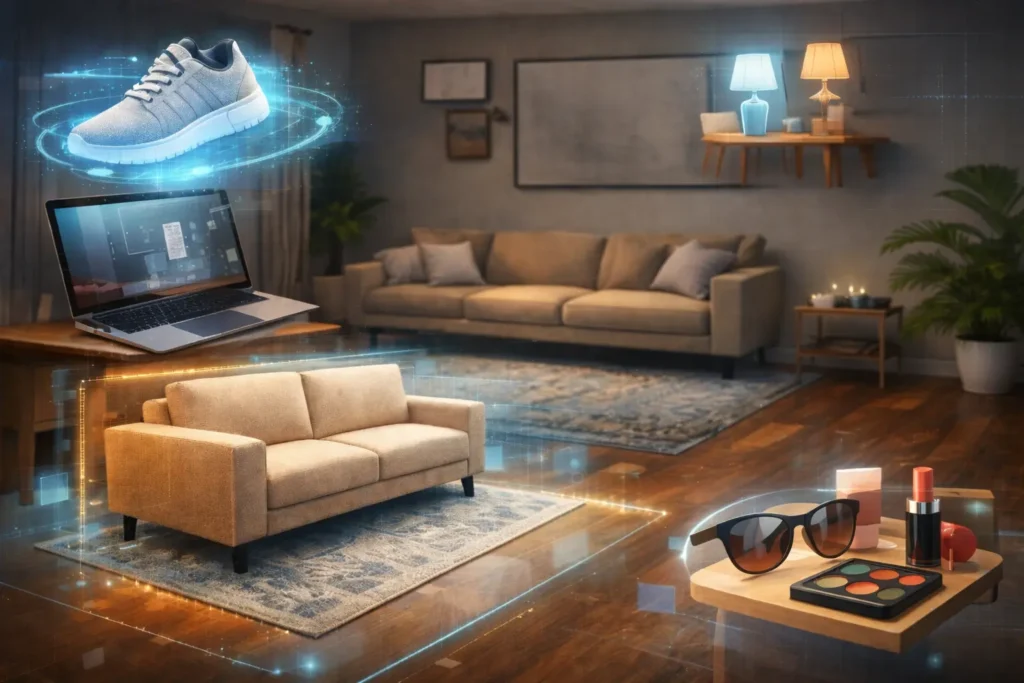
The evolution of digital shopping and marketing points to an even greater reliance on advanced visual technologies. Augmented reality (AR), interactive 3D models, and AI-assisted rendering are transforming how customers engage with products online. Brands investing in high-quality product renderings today are positioning themselves for a future in which digital-first visualization is standard.
Interactive 3D viewers, virtual showrooms, and configurators allow customers to explore products in real-time, providing the same confidence they would have in a physical store. For businesses, this capability not only enhances customer experience but also offers measurable advantages in terms of sales efficiency and brand perception.
Conclusion
Professional product rendering services are no longer optional for forward-thinking brands. From marketing campaigns to sales conversions and pre-launch promotion, the benefits are clear. Product Rendering Supports Marketing by delivering visually compelling assets that strengthen brand messaging, improve engagement, and enhance campaign performance. By creating high-quality product renderings, leveraging ecommerce product rendering, and understanding the benefits of product rendering in marketing, businesses can stay ahead of the competition.
Whether replacing product photography with 3D rendering, demonstrating how 3D rendering increases sales, or enabling companies to render product before manufacturing, rendering empowers brands to communicate value effectively and scale rapidly. Outsourcing to expert studios ensures consistent quality and cost efficiency, while the flexibility of digital assets supports ongoing campaigns and seasonal variations.
For ecommerce brands and product-driven businesses alike, the strategic adoption of 3D product visualization is an investment in performance, customer trust, and long-term growth. The benefits of 3D product visualization for ecommerce brands go beyond aesthetics—they are measurable, actionable, and essential for modern marketing, sales, and successful product launches.