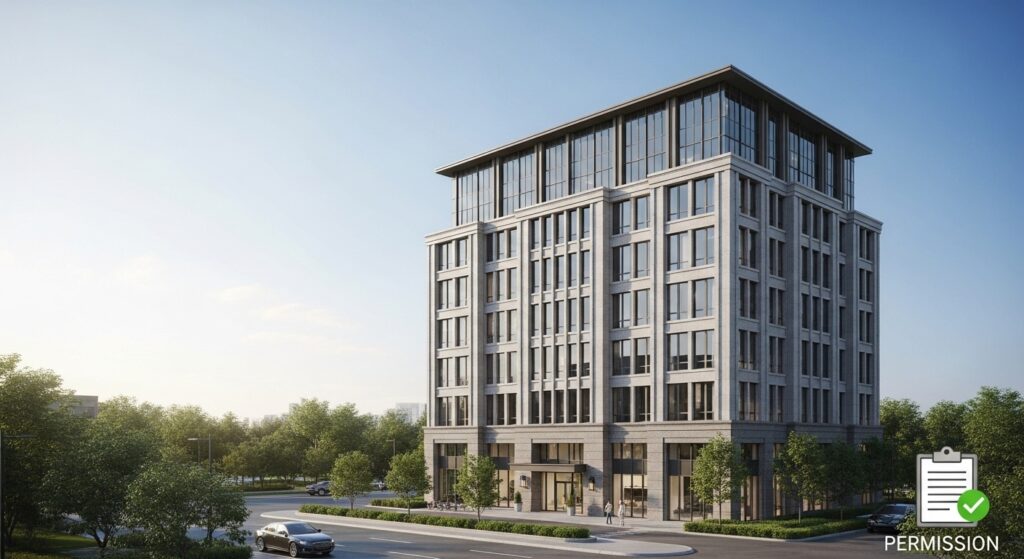
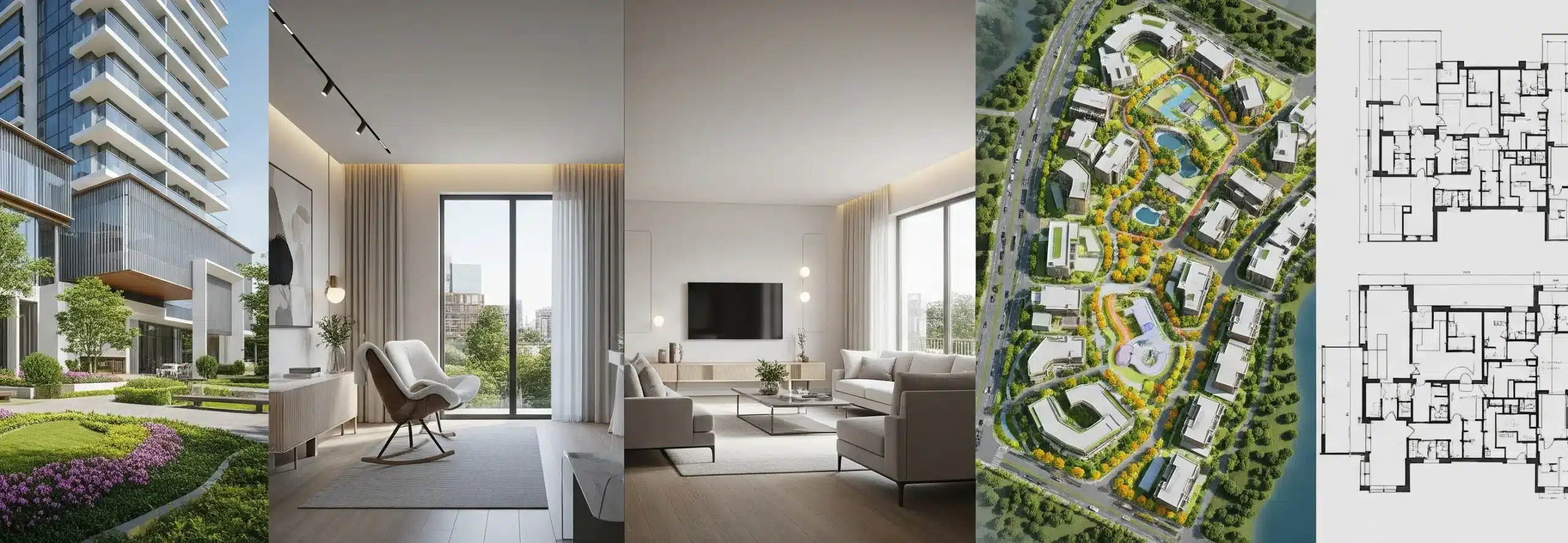
Architectural 3D rendering has become a critical decision-making and communication tool for architects, real estate developers, and construction professionals. From early design validation to marketing and investor presentations, the quality of visualization directly influences project outcomes. However, with hundreds of studios offering similar services, selecting the right partner can be challenging.
This guide provides a structured, professional checklist to help you evaluate and select the most suitable Checklist for Choosing an Architectural 3D Rendering Service, balancing quality, technical accuracy, workflow reliability, and return on investment.
Why Choosing the Right Architectural Rendering Partner Matters
Selecting the wrong visualization partner can result in inaccurate designs, missed deadlines, and wasted budgets. On the other hand, choosing the right architectural rendering studio ensures clarity in design intent, smoother approvals, and stronger project presentations.
Architectural rendering is not just about aesthetics—it requires technical understanding, architectural literacy, and industry-specific experience. A systematic evaluation process is essential.
Core Criteria to Evaluate an Architectural 3D Rendering Service
1. Portfolio Quality and Design Realism

A professional rendering studio’s portfolio should demonstrate consistency, realism, and architectural understanding. Look beyond attractive images and evaluate how accurately the visuals represent real-world materials, lighting conditions, and spatial proportions.
A realistic architectural 3D rendering service should showcase:
- Accurate scale and perspective
- Material realism (glass, concrete, wood, metals)
- Natural lighting and shadows
- Contextual surroundings where applicable
Avoid portfolios that rely heavily on artistic effects but lack architectural precision.
2. Architectural Knowledge and Technical Competency
Rendering studios must be able to interpret architectural data accurately. This includes floor plans, sections, elevations, CAD files, and BIM models.
Understanding the technical requirements for architectural rendering is essential, including:
- Correct interpretation of dimensions and levels
- Compliance with architectural standards
- Ability to work with AutoCAD, Revit, SketchUp, or BIM data
- Consistency with construction logic
A visually appealing render that misrepresents structural or spatial details can cause serious downstream issues.
Professional architectural visualization relies on accurate interpretation of drawings and industry standards, as highlighted by leading architecture platforms such as ArchDaily, which regularly showcases projects where visualization supports design communication and approvals.
3. Workflow Transparency and Communication
Clear workflow processes reduce errors and delays. Before engaging a studio, understand how they manage projects, revisions, and approvals.
Ask about:
- Project kickoff and briefing process
- Revision cycles and feedback handling
- Communication channels and response times
- File delivery formats and schedules
A structured workflow is especially important when learning how to choose a 3D rendering service for architects, where coordination with design teams is critical.
Pricing Considerations: Cost vs Long-Term Value
Understanding Pricing Models
Architectural rendering prices vary widely depending on complexity, level of detail, and turnaround time. Instead of focusing only on low prices, evaluate value.
The balance between cost vs quality architectural visualization should be assessed carefully. Low-cost services may compromise realism, accuracy, or reliability.
Key pricing factors include:
- Project scope and size
- Level of detail and realism
- Number of views or scenes
- Revisions included
- Delivery timeline
Table: Cost vs Value Comparison
| Evaluation Factor | Low-Cost Providers | Professional Rendering Studios |
| Visual realism | Basic, inconsistent | High-quality, consistent |
| Architectural accuracy | Often limited | Technically accurate |
| Revision flexibility | Restricted | Structured revision cycles |
| Communication | Delayed or unclear | Professional and responsive |
| Long-term value | Short-term savings | Strong ROI and reliability |
Budget Strategy for Architects and Developers
When evaluating affordable architectural 3D rendering services, affordability should be measured against:
- Risk of rework
- Approval delays
- Marketing effectiveness
- Professional reputation
A slightly higher upfront investment often leads to better project outcomes.
Industry-Specific Experience Matters
Architectural Rendering for Real Estate and Marketing
Architectural rendering requirements vary significantly by industry. While architects typically prioritize technical accuracy, scale, and design intent, real estate developers and marketing teams focus more on emotional appeal, lifestyle representation, and sales impact. Effective visualizations in this context must communicate not only the structure itself but also the experience of living or working within the space.
Studios with proven experience in architectural rendering services for real estate marketing understand how to craft buyer-focused visual narratives that resonate with target audiences. They apply market-specific presentation styles that align with regional preferences, property positioning, and pricing strategies. In addition, these studios ensure consistent branding across all visuals, maintaining alignment with developer identity and marketing campaigns. High-resolution outputs optimized for both print and digital platforms further enhance the usability of the renderings across brochures, websites, billboards, and online listings.
Choosing a rendering studio that aligns with your industry use case significantly improves presentation effectiveness, strengthens buyer engagement, and supports faster sales and approvals.
Checklist: How to Choose the Right Architectural 3D Rendering Service
Use the checklist below before finalizing your decision:
Architectural 3D Rendering Service Evaluation Checklist
☐ Portfolio demonstrates architectural accuracy and realism
☐ Studio understands architectural drawings and BIM data
☐ Clear workflow and revision policy provided
☐ Transparent pricing structure explained
☐ Experience in your specific project type
☐ Reliable communication and timelines
☐ Usage rights and deliverables clearly defined
This checklist helps clarify what to look for in an architectural rendering company and minimizes decision risk.
Red Flags to Watch Before Hiring a Rendering Studio
Common Warning Signs
- Overly stylized portfolio with poor technical detail
- Unclear pricing or vague scope definitions
- No revision policy mentioned
- Limited architectural project examples
- Delayed or inconsistent communication
Avoid studios that prioritize speed over accuracy without understanding your project requirements.
Benefits of Working with a Professional Rendering Partner
Strategic Advantages
- Faster design approvals
- Improved client and investor communication
- Reduced design misinterpretations
- Stronger marketing and sales materials
Operational Advantages
- Predictable timelines
- Scalable services for multiple projects
- Long-term collaboration potential
A professional studio becomes a visualization partner rather than a one-time vendor.
FAQs
1. How do I evaluate the quality of an architectural rendering portfolio?
Focus on realism, consistency, lighting accuracy, and how well the renders reflect architectural logic rather than artistic effects alone.
2. How many revisions should an architectural rendering service include?
Most professional studios include 2–3 structured revision rounds. Always clarify this before starting a project.
3. Can architectural 3D renderings be used for marketing and approvals?
Yes. High-quality renderings are widely used for planning approvals, investor presentations, and real estate marketing when produced accurately.
4. Is it better to choose a local or international rendering studio?
Both can work effectively. The key factors are communication quality, technical expertise, and proven experience—not location alone.
Final Thoughts
Choosing an architectural 3D rendering service is a strategic decision that affects design clarity, approvals, and project success. By following a structured evaluation process, understanding technical and workflow requirements, and applying a clear checklist, architects and developers can confidently select the right visualization partner.
A well-chosen rendering studio delivers more than images—it delivers clarity, credibility, and long-term value.