What is 3D Architectural Rendering?
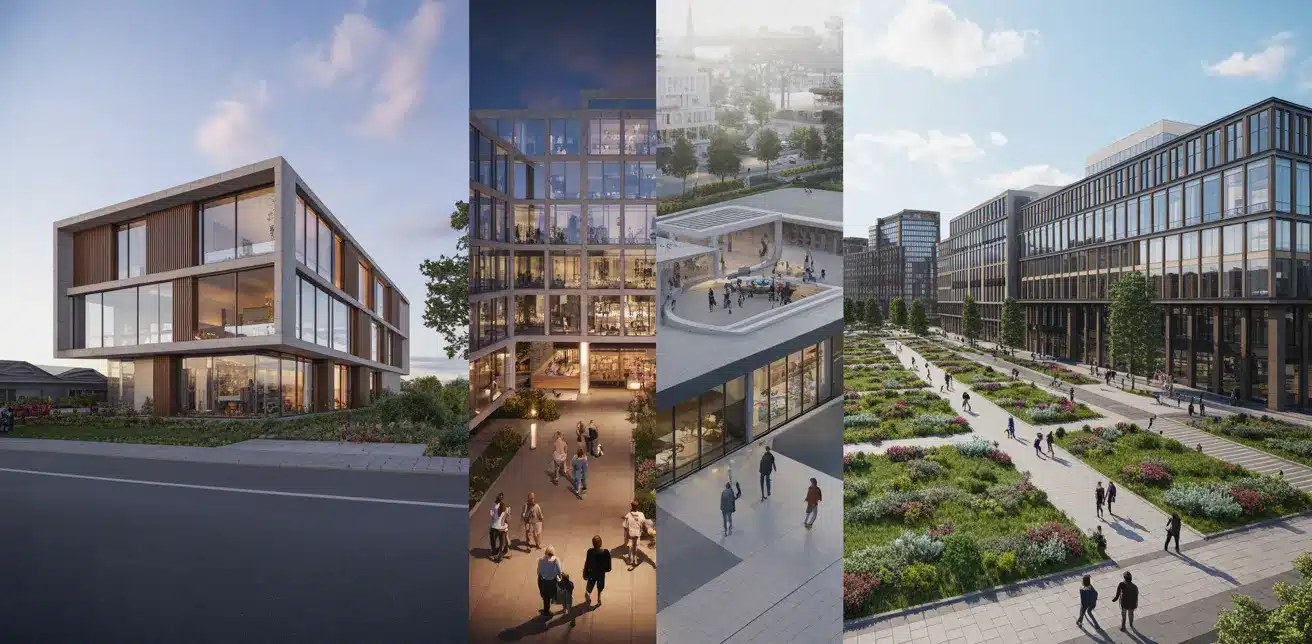
3D architectural rendering is the process of creating lifelike digital images of a building or property before it’s physically constructed. Using advanced software, architects and designers transform blueprints into visual representations that help clients, investors, and stakeholders envision the final product. These renderings often include detailed textures, realistic lighting, and environmental context, offering a nearly photographic glimpse of future developments.
Evolution of Visualization in Real Estate Development
Traditionally, real estate visualization relied on 2D sketches, physical models, and floor plans. However, these methods were often time-consuming and limited in how accurately they conveyed a project’s true potential. The introduction of 3D architectural rendering for real estate developers has completely transformed the industry—allowing professionals to explore every angle, adjust designs in real time, and present stunning visuals that enhance marketing and decision-making. Today, this technology is an essential tool for developers striving to stay competitive in a visually driven market.
The Importance of 3D Rendering in Real Estate
Bridging the Gap Between Vision and Reality
For real estate developers, one of the biggest challenges is conveying the project’s vision to non-technical audiences. 3D renderings act as a universal language, enabling clients and investors to “see” the potential of a development long before construction begins. This visual clarity minimizes misunderstandings and ensures alignment across teams.
Enhancing Marketing and Client Communication
A high-quality 3D rendering serves as a powerful marketing tool. Developers can use realistic images and virtual tours to attract buyers and investors, whether through websites, brochures, or social media campaigns. These visuals not only improve engagement but also boost conversion rates—helping developers sell units or secure funding faster.
Key Benefits of 3D Architectural Rendering for Real Estate Developers
Improved Design Accuracy and Efficiency
3D rendering provides developers with the ability to detect design flaws early in the process. This reduces costly revisions later and ensures better project accuracy. It also allows for faster decision-making since clients can visualize changes instantly.
Cost and Time Savings During Development
Revisions to physical prototypes or blueprints can be expensive. 3D rendering simplifies this process, allowing developers to test multiple design options virtually. This not only cuts design costs but also speeds up project approvals and marketing timelines.
Strengthening Client Presentations and Investor Pitches
A detailed 3D presentation enhances credibility. When investors can see a realistic model of a project, it instills confidence and drives engagement. This makes 3D rendering a crucial tool for fundraising and stakeholder communication.
Facilitating Pre-Sales Through Visual Appeal
With immersive visuals, developers can start selling properties even before construction begins. Photorealistic renders help potential buyers emotionally connect with the space, accelerating pre-sales and improving cash flow.
The Role of 3D Rendering in Project Approvals and Stakeholder Buy-In
Convincing Municipal Authorities and Investors
3D renderings make it easier for developers to secure approvals by providing clear and accurate representations of proposed structures. Decision-makers appreciate realistic visuals that demonstrate compliance with regulations and design standards.
Reducing Miscommunication Among Project Teams
Architects, engineers, and developers often collaborate across different disciplines. 3D renderings ensure everyone shares the same visual reference, minimizing errors, misinterpretations, and project delays.
Types of 3D Architectural Rendering Used in Real Estate
Exterior Rendering

This type focuses on the building’s outer appearance, including materials, landscaping, and surroundings. Exterior renderings are essential for presenting the project’s curb appeal.
Interior Rendering

Interior renderings showcase design elements such as furniture, lighting, and textures. They help potential buyers visualize living or working spaces more effectively.
Aerial and Virtual Tours

Aerial renderings and 360° virtual tours provide comprehensive overviews of large developments. They’re particularly useful for showcasing master plans and luxury properties.
How Technology Is Transforming Architectural Visualization
Integration of VR and AR in Real Estate
Virtual Reality (VR) and Augmented Reality (AR) are elevating client experiences. Prospects can now “walk through” properties digitally, making the buying process more interactive and engaging.
Photorealism and AI-Powered Rendering Tools
Artificial Intelligence has advanced rendering speed and realism. Tools like Lumion, V-Ray, and D5 Render allow developers to produce near-instant, high-quality visuals that mirror reality.
Real-World Case Studies: Success Stories in 3D Rendering
Case Study 1: Accelerating Sales for a Residential Project
A luxury condominium project in Miami used 3D renderings to launch its marketing campaign before construction began. The visuals attracted early investors, resulting in 60% of units sold pre-construction.
Case Study 2: Streamlining Communication for a Commercial Complex
A commercial real estate firm in Dubai utilized 3D renderings to coordinate design changes across multiple contractors. The result: reduced miscommunication and a 20% cut in project timelines.
Common Mistakes Developers Make When Using 3D Rendering
Over-Reliance on Aesthetics Over Functionality
While photorealistic visuals are impressive, focusing too much on aesthetics can lead to overlooking structural or functional issues. Developers must balance beauty with practicality.
Ignoring Realistic Textures and Lighting
Unnatural lighting or unrealistic textures can make even the best designs look artificial. It’s crucial to maintain visual authenticity to build trust with clients.
Choosing the Right 3D Rendering Partner
Key Qualities to Look for in a Rendering Studio
A professional rendering partner should have strong design expertise, attention to detail, and proficiency in industry-leading software. Look for studios that understand real estate dynamics and client communication.
Evaluating Portfolios and Client Testimonials
Review past projects, client reviews, and turnaround times. An experienced studio should demonstrate versatility and reliability in delivering diverse project types.
The Future of 3D Rendering in Real Estate Development
Predictive Modeling and Smart City Planning
3D rendering will increasingly integrate with data analytics and urban modeling, allowing developers to plan sustainable, efficient communities.
Sustainable Design Visualization
Renderings will help promote eco-friendly architecture by visualizing how sustainable materials and energy-efficient designs impact the overall environment.
Conclusion
3D architectural rendering has transformed how real estate developers conceptualize, market, and sell properties. By turning ideas into vivid, tangible visuals, it bridges the gap between imagination and reality. From securing investors to closing deals faster, 3D rendering stands as a cornerstone of modern real estate success.