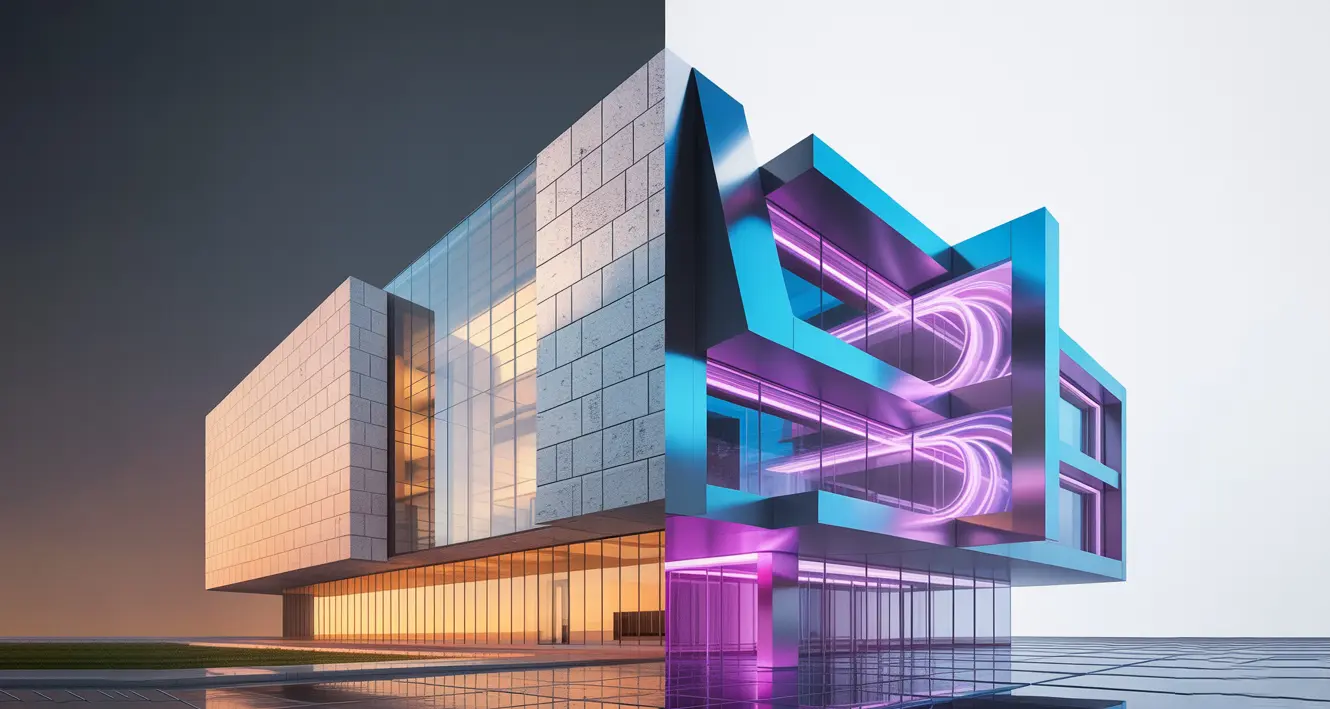
The world of architectural and product design is increasingly relying on 3D rendering to communicate ideas, convey atmosphere, and sell concepts. Two of the most popular styles in 3D rendering are Photorealistic vs Conceptual 3D Renders. Each of these styles serves distinct purposes, and understanding their differences can help you choose the best approach for your project. In this blog, we’ll explore the key features, benefits, and ideal use cases for Photorealistic vs Conceptual 3D Renders, helping you make an informed decision about which style works best for your needs.
In this blog, we’ll dive into the key differences between photorealistic and conceptual 3D renders, exploring when and why you might use each, and which one will best suit your specific design needs.
What Are Photorealistic 3D Renders?
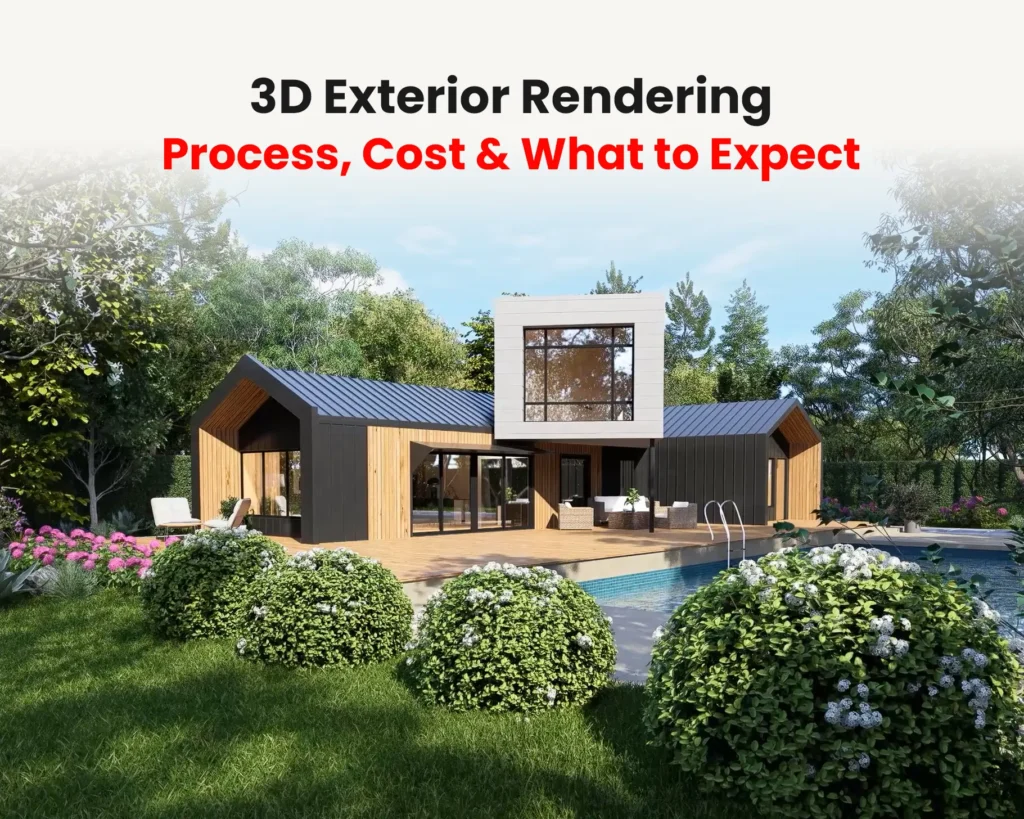
Photorealistic rendering is the process of creating 3D models that mimic real-world visuals as closely as possible. The goal is to achieve hyper-realistic images that look like actual photographs. Every detail, from lighting to texture, is carefully crafted to reflect how light interacts with materials in the real world.
Key Features of Photorealistic 3D Renders:
- Realistic Textures: Materials such as wood, metal, glass, and fabric are rendered with great attention to detail, capturing the nuances of reflection, refraction, and surface imperfections.
- Lighting Accuracy: Real-world lighting behavior, including reflections, refractions, and shadows, is simulated with precision. This creates depth, realism, and lifelike mood.
- High Quality & Detail: Every corner, every surface, and every detail of the model is meticulously designed to mimic reality. This requires heavy computational power and advanced rendering techniques.
- Photorealistic Effects: Advanced rendering engines, like V-Ray, Corona, or Arnold, are often used to achieve realistic effects like caustics, global illumination, and subsurface scattering.
When to Use Photorealistic 3D Renders:
- Client Presentations: When presenting designs to clients, you want to give them a true sense of how the space or product will look. Photorealism helps build trust and conveys professionalism.
- Marketing and Commercial Use: In advertisements, promotional material, or product catalogs, photorealistic renders offer a polished and convincing portrayal of the product.
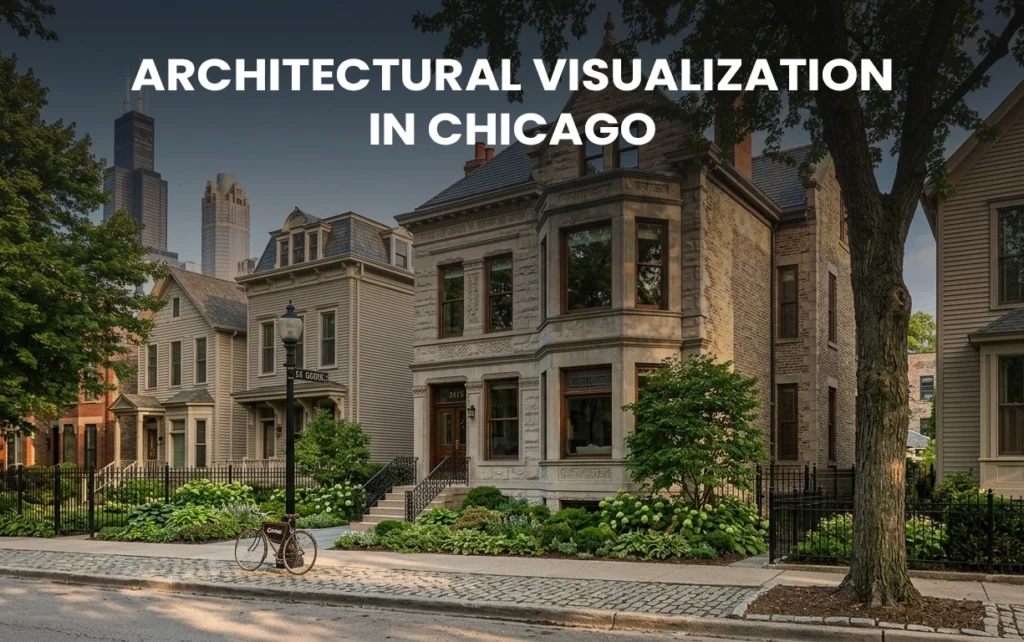
- Architectural Visualizations: Architects often use photorealistic renders to show how a building will look once it’s constructed, complete with natural lighting and surrounding environments.
What Are Conceptual 3D Renders?
Unlike photorealistic renders, conceptual 3D rendering focuses on conveying the idea, layout, and mood of a space rather than aiming for realism. These renders tend to be abstract and minimalistic, often using simplified color schemes, shapes, and forms to showcase the design concept without getting bogged down in details.
Key Features of Conceptual 3D Renders:
- Minimalistic Approach: Rather than focusing on intricate details, conceptual renders often use bold shapes and basic forms to convey the essence of the design.
- Abstract Visualization: These renders prioritize conveying an idea or vision over realism, often using exaggerated proportions, simplified color schemes, or visual metaphors.
- Focus on Layout and Composition: Conceptual renders are more about showing how the elements of the design come together rather than how they look in reality.
- Creative Freedom: Artists have more freedom to experiment with lighting, textures, and materials to evoke a particular feeling or atmosphere without adhering to physical constraints.
When to Use Conceptual 3D Renders:
- Initial Design Stages: When you’re in the early stages of a project and need to communicate your design idea to stakeholders or clients without focusing on the details, conceptual renders can be an effective tool.
- Prototyping and Exploration: Conceptual renders allow designers to explore various layouts, compositions, and spatial ideas in a way that’s not limited by the constraints of realism.
- Marketing Creative Concepts: For product or architectural concepts that are in development, conceptual rendering offers a clear visual impression of how things might look, without the need for detailed accuracy.
Key Differences Between Photorealistic vs Conceptual 3D Renders
Feature | Photorealistic 3D Renders | Conceptual 3D Renders |
Purpose | Realism, to make models look as close to real life as possible | Idea and mood visualization, abstract and conceptual design |
Level of Detail | High detail, realistic textures, lighting, and shadows | Minimal detail, simplified shapes, and forms |
Time & Resources | Requires more time, high computational power, advanced software | Faster to produce, less computationally intensive |
Lighting | Accurate lighting with reflections, refractions, and shadows | Simplified or stylized lighting to evoke mood or atmosphere |
Usage | Final presentations, client proposals, marketing, architectural visualizations | Early-stage concept exploration, idea sharing, prototyping |
Visual Style | Highly detailed, photo-like images | Simplified, abstract visuals with minimal realism |
Cost | Generally more expensive due to time and resources required | More affordable due to fewer resources needed |
When to Choose Photorealistic vs Conceptual 3D Renders?
Choosing between photorealistic and conceptual 3D renders depends on several factors, including your project’s goals, stage, and audience.
Choose Photorealistic Renders If:
- You need high-impact visuals for final presentations, marketing campaigns, or proposals.
- You’re working on a project that requires realistic details such as texture, lighting, and environment.
- You want to give clients or stakeholders a true-to-life representation of a completed design.
Choose Conceptual Renders If:
- You are still in the early stages of design and need to explore ideas or convey concepts.
- The goal is to evoke mood or atmosphere rather than realism.
- You want to produce renders quickly and don’t require the level of detail that photorealism demands.
Which One Should You Choose for Your Project?
Ultimately, the choice between photorealistic and conceptual 3D renders depends on what stage your project is in and what your goals are.
- Photorealistic renders are perfect for marketing, client presentations, and finalized architectural designs, where detail and realism are crucial.
- Conceptual renders are great for initial design exploration, creative visualization, or when you need to convey a general idea without getting bogged down by specific details.
Many professionals also use a combination of both, starting with conceptual renders to explore ideas and refining them into photorealistic renders as the design process moves forward.
Conclusion
Both photorealistic and conceptual 3D renders have their place in the design and architecture industries. Photorealistic renders bring ideas to life with unmatched realism, while conceptual renders offer a way to explore creative ideas without the constraints of real-world accuracy. By understanding their strengths and applications, you can choose the right type of render for your project, ensuring it meets both your creative and practical needs. To learn how to bring your designs to life with photorealistic renders, explore our detailed guide on creating photorealistic furniture renderings, where we break down the key elements like lighting, materials, and textures.
Whether you’re a designer, architect, or marketer, understanding the differences between photorealistic and conceptual 3D renders is essential to effectively communicate your ideas and vision to clients, stakeholders, or your audience.