Industrial design firms in Berlin operate in one of Europe’s most competitive and innovation-driven markets. From advanced manufacturing to consumer electronics and industrial equipment, firms are expected to present concepts with absolute clarity, precision, and realism. This is where 3D Product Rendering for Industrial Design Firms in Berlin, Germany becomes more than a visual aid—it becomes a strategic business tool.
High-quality digital visualization enables designers, engineers, and stakeholders to evaluate products long before physical production begins. As timelines shorten and expectations rise, professional rendering has evolved into a core component of modern industrial design workflows.
Understanding the Foundations of 3D Product Visualization
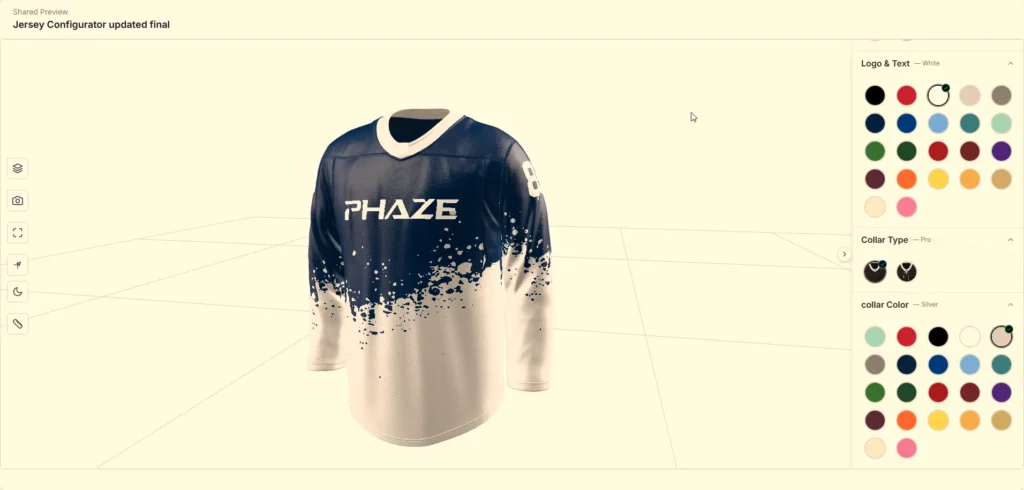
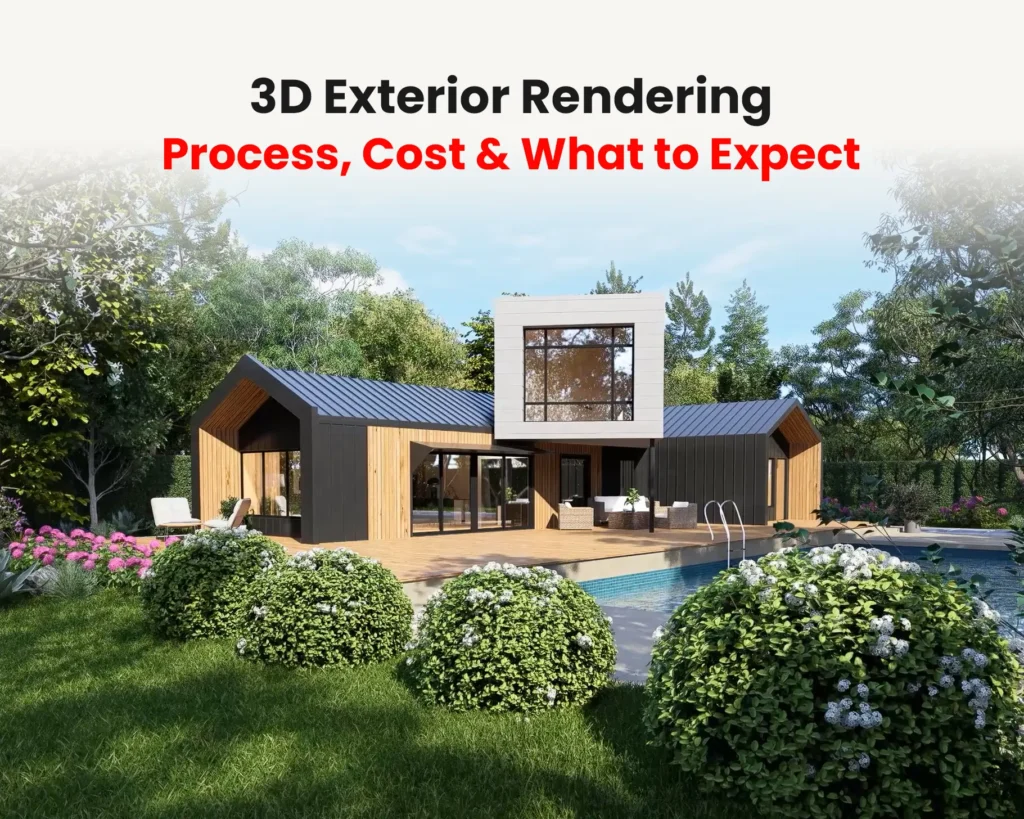
To appreciate the value of rendering, it is important to understand What is 3D product rendering?
It is the process of creating realistic two-dimensional images from three-dimensional digital models using specialized software. These images simulate real-world materials, lighting conditions, and environments, allowing products to be visualized before manufacturing.
For industrial design firms, this means design intent can be communicated clearly to clients, engineers, investors, and manufacturers—without ambiguity or costly interpretation errors.
Why Industrial Design Firms in Berlin Are Embracing Rendering
Berlin’s industrial sector combines engineering excellence with strong design culture. In this context, visualization is not optional; it is expected. Many firms now rely on advanced workflows such as Industrie Design 3D Visualisierung Deutschland to compete both locally and internationally.
Key Drivers Behind Adoption
- Faster concept approval cycles
- Reduced dependence on physical mockups
- Clearer communication with global stakeholders
The integration of rendering into design pipelines helps Berlin-based firms maintain efficiency while meeting high aesthetic and functional standards.
Business and Design Impact of Advanced Rendering
Understanding the Benefits of 3D rendering for industrial design reveals why it has become a standard across professional studios.
First Major Benefit Set
- Improved decision-making through realistic previews
- Early detection of design flaws
- Stronger alignment between design and engineering teams
Second Major Benefit Set
- Cost savings by reducing physical prototyping
- Higher-quality client presentations
- Enhanced marketing and investor materials
These advantages translate directly into better project outcomes and stronger client trust.
Rendering, CAD, and Prototyping: A Practical Comparison
Many firms ask whether rendering replaces other tools or complements them. The relationship is best understood through 3D rendering vs CAD vs prototyping, which highlights how each serves a distinct purpose.
| Aspect | CAD Modeling | 3D Rendering | Physical Prototyping |
| Primary Purpose | Engineering accuracy | Visual realism | Physical testing |
| Cost Level | Low to medium | Low to medium | High |
| Speed | Fast | Fast | Slow |
| Visual Quality | Technical | Photorealistic | Real-world |
| Ideal Use Case | Manufacturing specs | Presentations & validation | Functional testing |
Rather than competing, these tools work best when integrated into a unified workflow.
Software Choices for Professional Results
Selecting the right tools is critical for delivering consistent, high-quality visuals. When discussing the Best software for product rendering, industry professionals often prioritize stability, realism, and integration capabilities.
Among the leading solutions, 3ds max remains a preferred platform due to its advanced material systems, lighting control, and compatibility with engineering data. When combined with modern render engines, it enables studios to produce visuals that meet both technical and aesthetic demands.
From Concept to Market-Ready Visuals
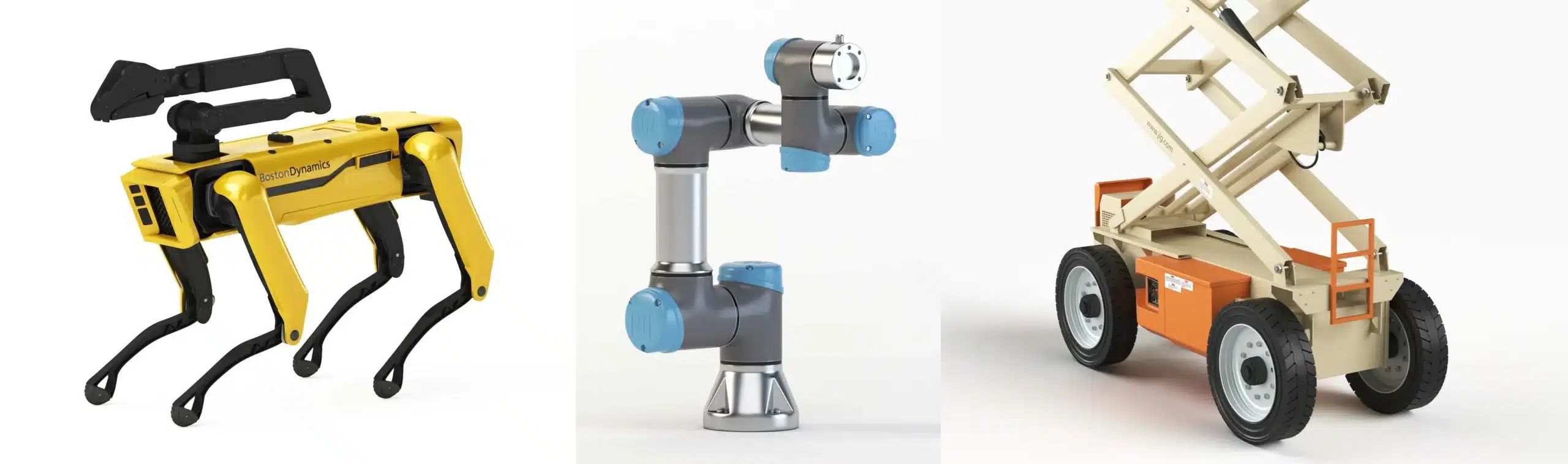
High-end visualization is often described as photorealistic product image rendering, but in industrial design, realism serves a functional purpose. Accurate textures, reflections, and scale help teams evaluate ergonomics, usability, and manufacturing feasibility.
For Berlin-based firms working with international clients, these visuals also reduce misunderstandings caused by cultural or language differences. A realistic image communicates instantly and universally.
Creating Effective Rendering Briefs
Clear communication is essential for successful outcomes. Knowing What to include in 3D rendering briefs ensures that designers and visualization specialists work efficiently from the start.
A strong brief typically defines:
- Design intent and target audience
- Required views, angles, and environments
- Material references and finish quality
Well-prepared briefs reduce revision cycles and help maintain project timelines.
The Local Market Perspective
Berlin’s industrial design ecosystem values precision, sustainability, and innovation. As a result, demand for 3D product rendering Berlin services has grown significantly, especially among firms targeting global manufacturing partners.
Rendering allows these companies to present concepts professionally without committing to early-stage production, aligning perfectly with Berlin’s forward-thinking design culture.
Frequently Asked Questions (FAQ)
Is 3D product rendering suitable for early-stage concepts?
Yes. Rendering is highly effective during early ideation because it allows concepts to be refined visually before engineering constraints are finalized.
Does rendering replace physical prototyping?
No. Rendering complements prototyping by reducing the number of physical iterations needed before final testing.
How accurate are rendered visuals compared to real products?
When created professionally, rendered images can closely match the final manufactured product in terms of materials, proportions, and finishes.
Can rendering be used for investor or client presentations?
Absolutely. High-quality visuals are widely used for pitches, proposals, and design reviews.
Is rendering only useful for marketing purposes?
No. While marketing is a benefit, the primary value lies in design validation, communication, and cost efficiency.
How long does a professional rendering project usually take?
Timelines vary, but most industrial product renderings can be completed within days once the 3D model and brief are finalized.
Conclusion
For industrial design firms in Berlin, professional 3D rendering is no longer a luxury—it is a necessity. It bridges the gap between concept and reality, supports smarter decisions, and enhances collaboration across disciplines. By integrating rendering into their workflows, firms can reduce risk, improve efficiency, and present their ideas with confidence in an increasingly competitive global market.