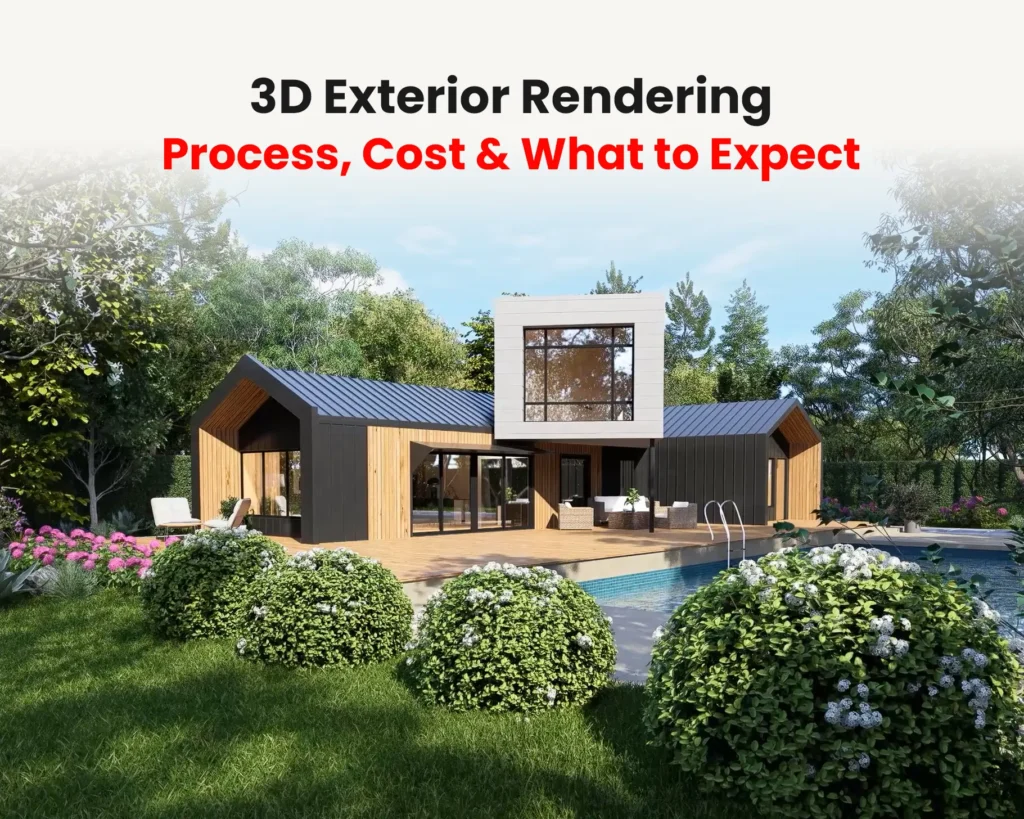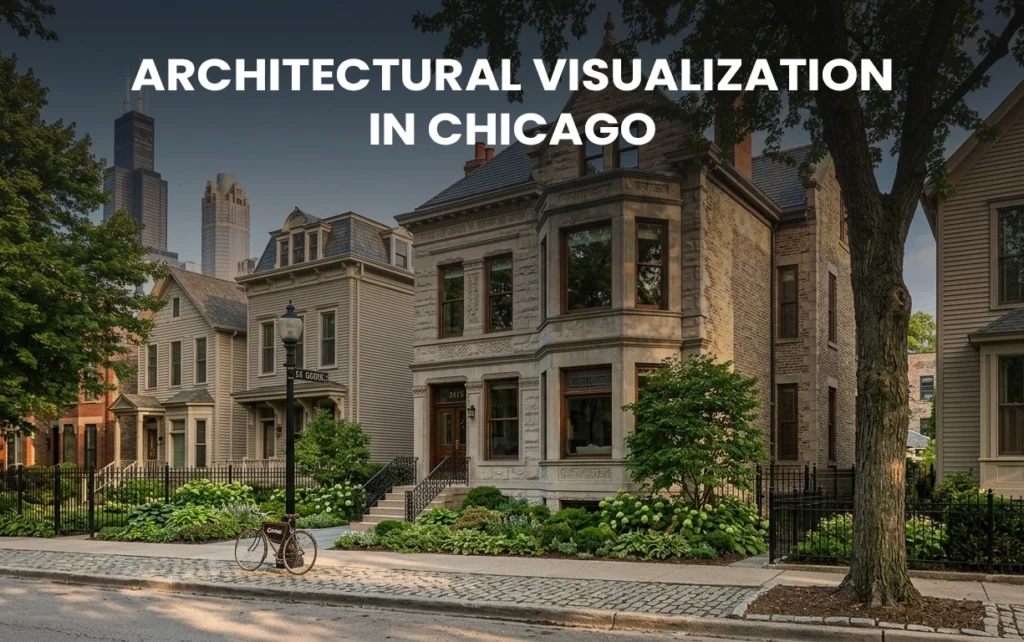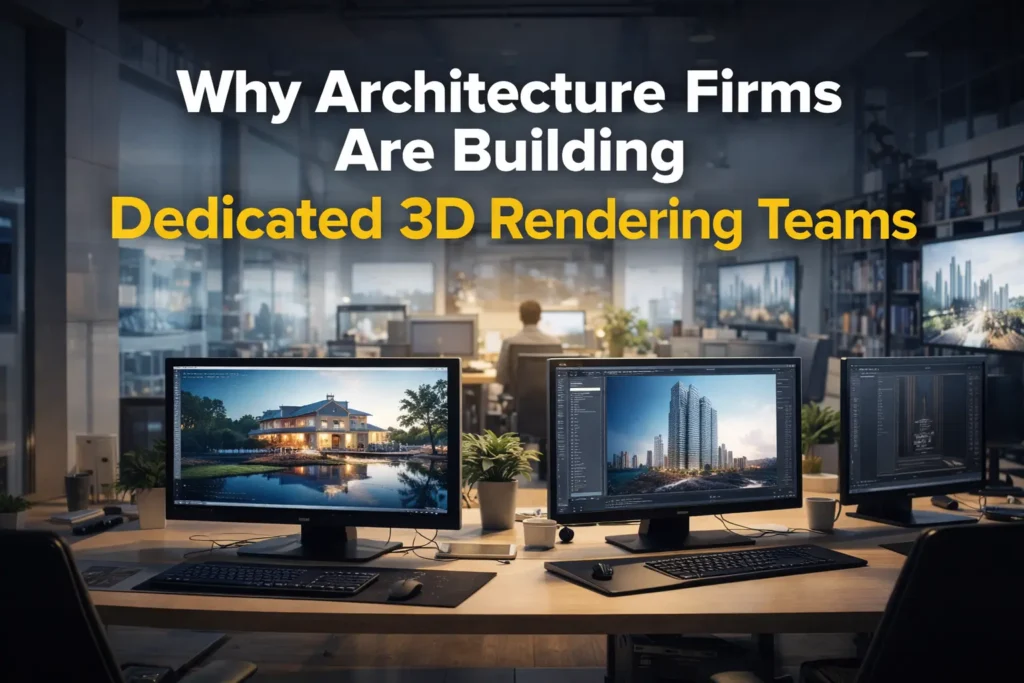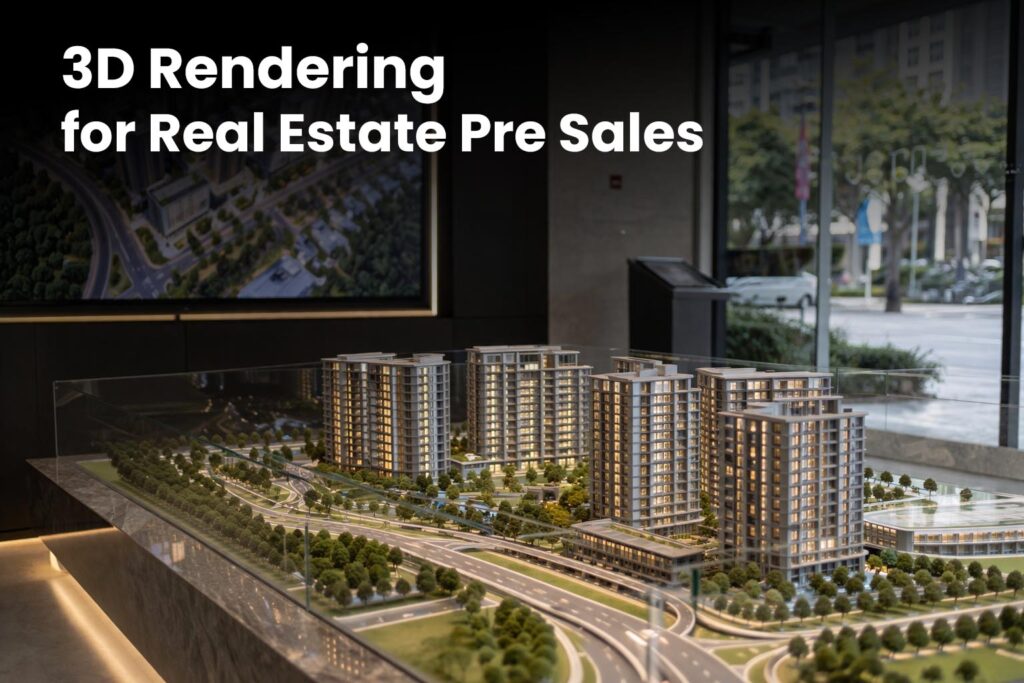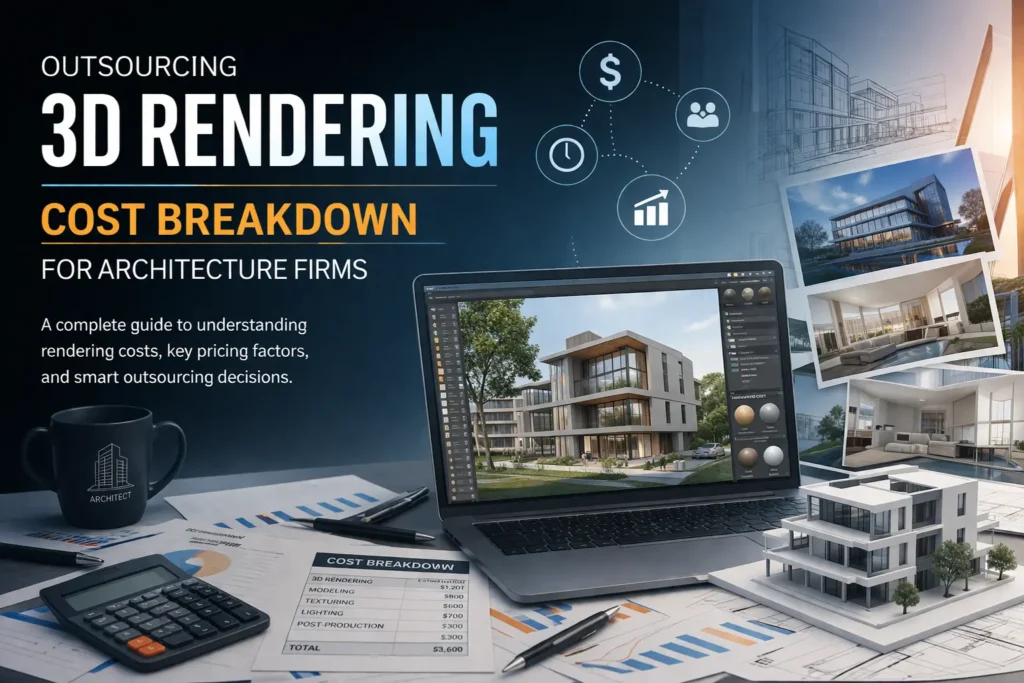
I’ve witnessed firsthand the dramatic evolution of this technology and its profound impact on real estate marketing and sales. Back in the early 2000s, when I started, renders were often stiff and obviously computer-generated—buyers could spot the difference from a mile away. Today, with advancements in lighting, texturing, and ray-tracing, we create images indistinguishable from professional photography, allowing properties to shine even before they’re built or staged. Photorealistic rendering has become an indispensable tool for real estate professionals because it bridges the gap between imagination and reality. It enables buyers to emotionally connect with a property, visualizing themselves living there, which accelerates decision-making and closes deals faster. Studies show properties marketed with high-quality 3D renderings can sell 20-31% faster than those relying solely on traditional photos, while visual advertising incorporating such imagery can boost sales by up to 23%.
For off-plan developments, unfinished interiors, or virtual renovations, photorealistic renders eliminate uncertainty. They showcase ideal lighting, furnishings, and finishes without the costs of physical staging—often saving 90%+ on those expenses—while highlighting a property’s full potential.
In my experience working with developers, agents, and architects worldwide, I’ve seen renders not only increase inquiries and engagement but also command higher prices by elevating perceived value. In competitive markets, this isn’t just an advantage—it’s essential for standing out and driving revenue.
What Is Photorealistic Rendering for Real Estate?
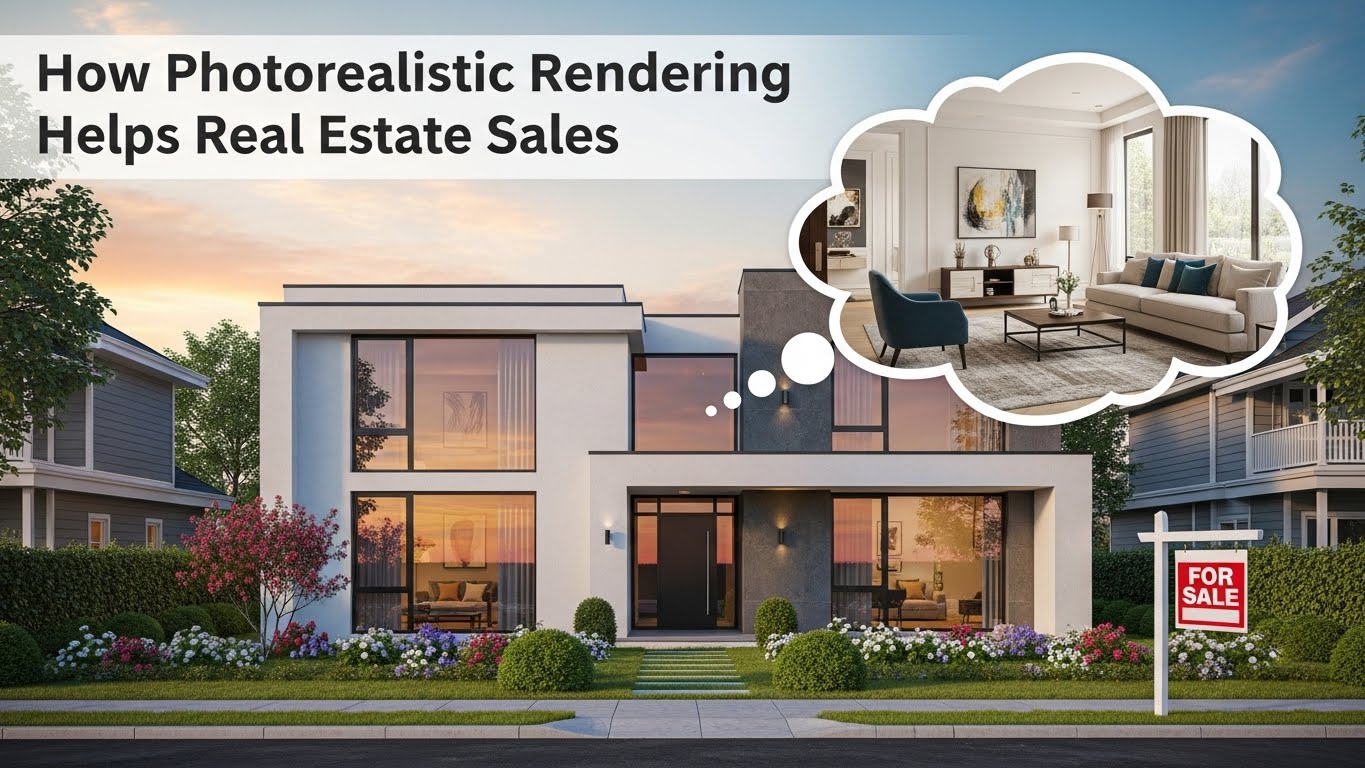
Photorealistic rendering is the process of producing lifelike CGI visuals that show a property exactly as it will look once completed. Using accurate lighting, real-world materials, textures, and precise camera angles, I create images that replicate the final built environment with exceptional realism.
For developers, agents, and marketers, this means:
- A complete visual story
- Clear design communication
- Stronger emotional appeal
- Faster sales cycles
Why Photorealistic Rendering Helps Real Estate Sell Faster
1. Buyers Understand the Property Instantly
A realistic render communicates the feeling and function of a space immediately. Buyers can clearly see:
- Room size and proportions
- Natural lighting
- Furniture layout
- Material finishes
- Views and ambience
This eliminates confusion and speeds up buyer decisions.
2. Essential for Off-Plan and Pre-Construction Sales
Developers rely on early sales to secure funding and maintain momentum. Photorealistic images help:
- Sell units before construction begins
- Build confidence with buyers and stakeholders
- Support full marketing campaigns
- Present a polished brand vision
In every project I’ve worked on, strong CGI has directly improved off-plan sales performance.
3. Boosts Online Listing Performance
Today’s buyers make decisions online. High-quality CGI improves:
- Click-through rates
- Time spent on listings
- Enquiry volume
- Conversion rates
- Social media engagement
Photorealistic visuals consistently outperform basic plans, sketches, and low-quality images.
4. Creates Emotional Impact
People don’t buy properties solely on logic; they buy based on how the space makes them feel. Realistic CGI allows buyers to connect emotionally with:
- Warm natural lighting
- Premium interior finishes
- Lifestyle-driven setups
- Evening and daytime moods
- Detailed interior styling
Emotion drives action—and photorealistic rendering delivers that emotional connection.
5. Reduces Buyer Doubts and Miscommunication
I’ve seen countless deals stalled by simple uncertainties—buyers hesitating because they can’t quite picture the space. Visual clarity prevents objections before they arise, turning potential roadblocks into confident yeses. Photorealistic rendering directly answers those nagging buyer questions that often lead to miscommunication or lost sales:
- How big is this room?
Traditional photos or floor plans leave scale ambiguous, but high-quality 3D renders can incorporate accurate furniture layouts and spatial cues, helping buyers instantly grasp proportions and flow.
- What will the finishes look like?
Empty or unfinished spaces spark doubt, but virtual staging transforms them into inviting homes with precise materials, textures, and decor—eliminating guesswork.
- Will natural light be strong here?
Advanced ray-tracing simulates sunlight at different times of day, showcasing how windows flood rooms with warmth—critical for off-plan properties where buyers fear dark interiors. - How will the furniture fit?
Renders with scaled furnishings demonstrate practical layouts, reassuring buyers their lifestyle will work seamlessly.
In my experience, this clarity boosts buyer confidence dramatically—studies indicate properties with realistic visualizations can generate up to 77% higher confidence levels compared to traditional methods, reducing uncertainty and accelerating decisions. By proactively addressing these concerns, photorealistic rendering minimizes back-and-forth, builds trust, and paves the way for smoother, faster closings.
6. Strengthens Investor and Stakeholder Presentations
Investors want to understand the full vision before committing. Realistic CGI helps them:
- Visualise the final outcome
- Evaluate design quality
- Understand the commercial potential
- Assess the target market appeal
- Make quicker decisions
Clear visuals reduce uncertainty and improve pitch success rates.
How Photorealistic Rendering Is Created
My process focuses on accuracy, realism, and market effectiveness:
1. Architectural Model Setup
Preparing or refining a 3D model using CAD/BIM files.
2. Materials and Textures
Applying PBR textures that match real-world surfaces: wood, stone, metal, fabrics, glass.
3. Lighting Simulation
Using physically accurate lighting to create natural shadows, highlights, and ambience.
4. Camera Composition
Selecting angles that emphasize space, storytelling, and sales priorities.
5. Rendering and Post-Production
Final enhancement through color grading and detail refinement for maximum impact.
Why Photorealistic Rendering Is Now Essential in Real Estate
Realistic CGI is no longer a luxury—it’s a core part of modern property marketing. It delivers:
- Faster sales
- Higher buyer confidence
- Better listing performance
- Increased investor interest
- Stronger brand perception
- Reduced marketing costs
- Clear design communication
In a competitive property market, developers who use photorealistic rendering consistently outperform those who rely on traditional visuals.
FAQ
What is photorealistic rendering for real estate?
It’s the creation of lifelike CGI visuals that replicate the final built environment before construction begins.
How does it help real estate sales?
By giving buyers clarity, reducing doubts, enhancing marketing performance, and supporting faster decision-making.
Is it effective for off-plan sales?
Yes. Photorealistic CGI is one of the strongest tools for pre-selling units and securing early commitments.
Does CGI improve online listing results?
Absolutely. High-quality visuals significantly boost engagement, enquiries, and conversions.
Is photorealistic rendering cost-effective?
Yes. A single set of images can be used across websites, brochures, ads, investor decks, and social media campaigns.