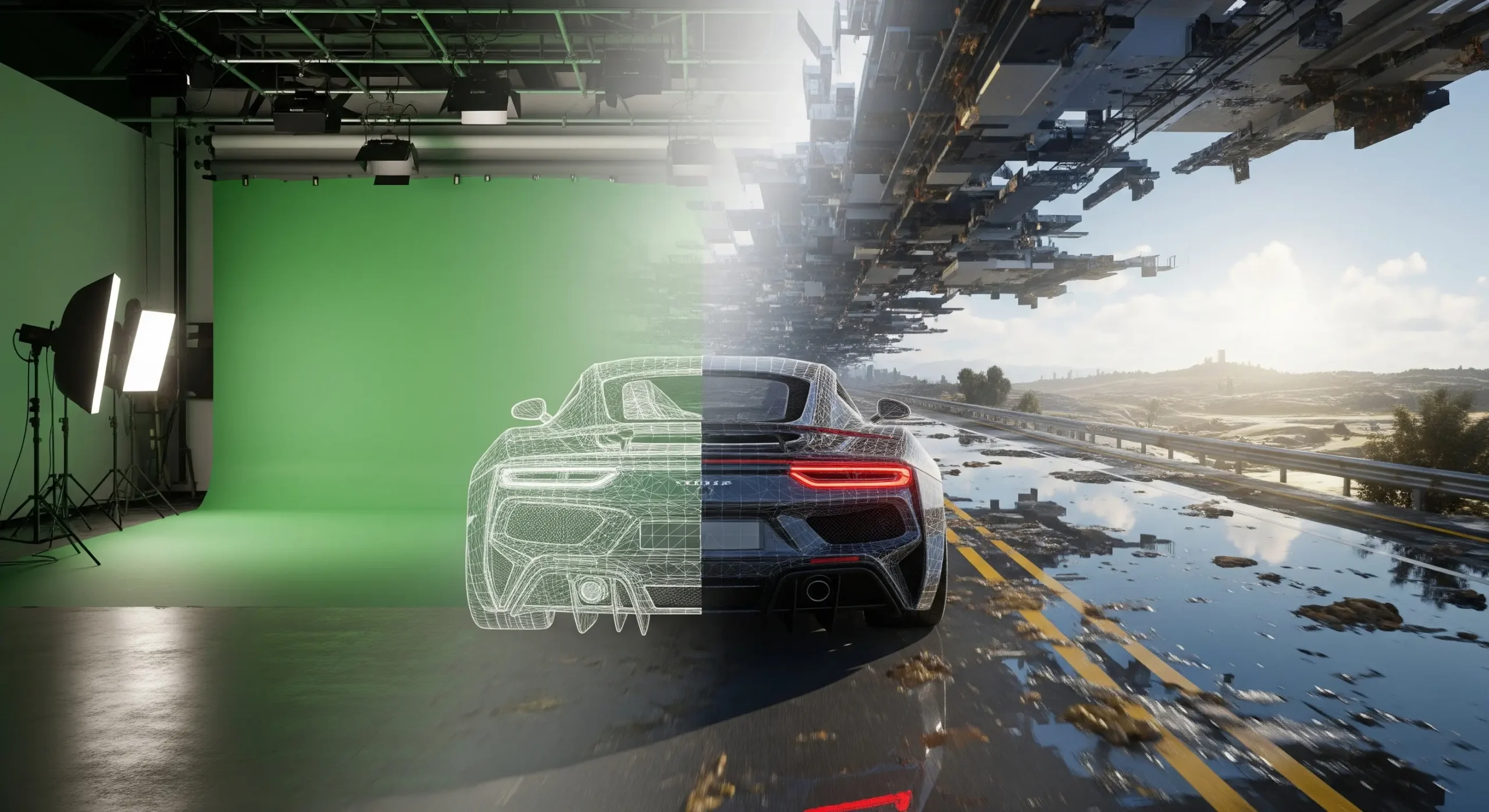
The VFX industry in London is recognized worldwide for its innovation, precision, and creative excellence. As film, advertising, and digital media continue evolving at record speed, 3D product rendering for VFX studios in London has become a vital asset in modern production pipelines. From blockbuster films to high-end commercial campaigns, VFX teams depend on photorealistic digital models to visualize, refine, and integrate products seamlessly into on-screen environments. Understanding why studios in London invest heavily in this technology provides valuable insight into the future of visual production.
Understanding the Role of 3D Product Rendering
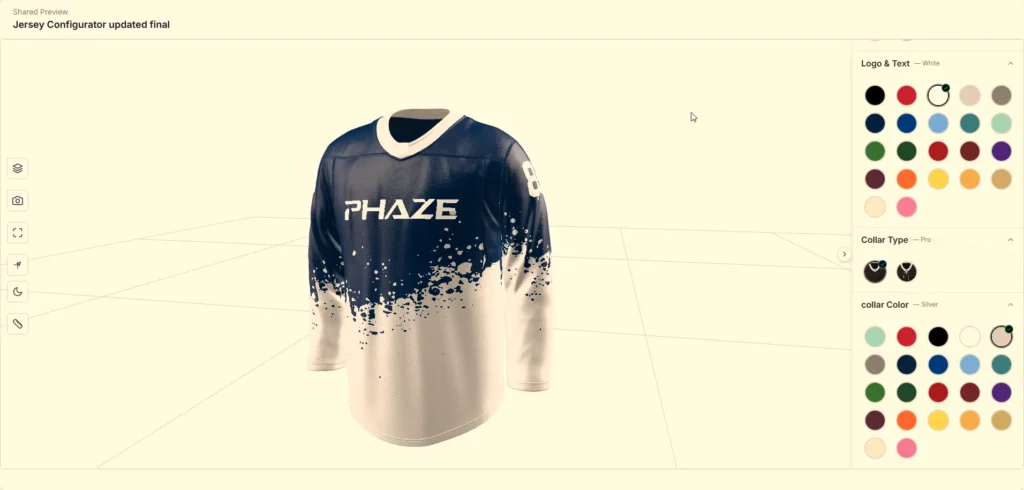
3D product rendering is the process of creating lifelike digital representations of physical objects using advanced computer graphics. These models are used in films, animations, commercials, and promotional content where a product must appear visually convincing or interact realistically within a scene.
For VFX studios, the purpose goes beyond representation—it supports storytelling, design accuracy, and cinematic continuity. Whether the object is a futuristic device, luxury product, or historical artifact, digital rendering ensures perfect control over every visual detail.
Why VFX Studios in London Rely on 3D Product Rendering
London serves as a global hub for visual effects, hosting world-renowned studios that push technological and creative boundaries. Their reliance on 3D product rendering comes from both practical needs and artistic opportunities.
Enhancing Visual Realism and Creative Precision
VFX professionals must achieve unparalleled realism to meet the expectations of modern audiences. Through 3D product rendering, studios can adjust textures, materials, reflections, and lighting with scientific accuracy.
Realistic renderings allow teams to:
- Test different artistic directions before final production
- Maintain consistent visual details across multiple shots
This level of precision is especially important in high-budget productions where visual continuity is critical.
Improving Production Efficiency and Workflow
Film production schedules can be demanding, requiring rapid decision-making without compromising quality. 3D product rendering helps VFX teams streamline these processes.
Digital models allow artists to:
- Quickly revise design elements
- Simulate physical interactions without reshoots
- Reuse assets across various scenes or episodes
This efficiency contributes to shorter timelines, fewer production delays, and increased creative flexibility.
Key Benefits for VFX Teams and Creative Directors
Beyond visual accuracy, 3D product rendering offers broader operational and strategic advantages for VFX studios.
Bridging Concept Design and On-Screen Execution
During the early stages of production, designers and directors often rely on conceptual drawings. However, translating 2D sketches into realistic sequences requires advanced interpretation. 3D rendering bridges this gap by converting early concepts into detailed digital forms that can be manipulated and evaluated in real-time.
This ensures that the on-screen result aligns perfectly with the director’s vision, reducing miscommunication among creative departments.
Cost-Saving Strategies Enabled by Digital Rendering

Producing physical prototypes, props, or replicas can be expensive, especially when multiple versions are required. 3D rendering eliminates many of these costs by providing digital alternatives that look as convincing as physical models.
Furthermore:
- Digital props can be updated without recreating physical items
- Complex scenes involving products can be shot virtually
- CGI versions eliminate wear-and-tear challenges
These advantages make 3D rendering a cost-effective solution without sacrificing visual quality. Unlike traditional product photography, rendered assets can be modified and reused throughout a VFX pipeline.
Core Techniques Used in 3D Product Rendering
VFX studios rely on a combination of artistic talent and technical knowledge to create industry-leading renderings.
Photorealistic Texturing and Material Mapping
Textures and materials are central to the realism of rendered products. Artists use advanced algorithms and scanned surfaces to replicate everything from metal and fabric to glass and polymers.
The process ensures:
- Accurate surface imperfections
- Realistic reflection behavior
- Authentic color representation
This meticulous detail is essential for luxury products, electronics, and mechanical items featured in film sequences.
Advanced Lighting and Animation Techniques
Lighting defines how a product interacts with its environment. VFX studios use simulation-based lighting tools to create perfect shadows, highlights, and atmospheric effects.
Additionally, animation techniques enhance storytelling by allowing products to move, transform, or interact with virtual elements in dynamic ways. This creates visually stunning sequences that captivate audiences and elevate the production value.
Applications of 3D Product Rendering in VFX Production
3D product rendering has numerous applications in the London VFX industry, supporting a wide range of creative needs.
Common use cases include:
- Commercial advertising for premium brands
- Film sequences featuring futuristic or unavailable props
- Digital doubles of products for action or stunt scenes
- Concept visualization for pitches, client approvals, and creative presentations
- Virtual set extensions requiring accurate object integration
By offering both flexibility and precision, 3D rendering enhances nearly every stage of the production process.
FAQs on 3D Product Rendering for VFX Studios in London
1. Why do VFX studios in London prefer 3D product rendering?
Because it provides unmatched realism, faster workflows, and cost-saving benefits for film and commercial projects.
2. Can 3D product rendering replace physical props?
In many cases, yes. It eliminates the need for expensive prototypes and allows for easier modifications.
3. Is this technology useful for advertising agencies?
Absolutely. Many ads rely on hyper-realistic product renderings for visual impact.
4. Does 3D rendering reduce production time?
Yes, especially in complex scenes where physical setups would require significant labor.
5. Do VFX teams use real-life materials in the rendering process?
They use digital scans and physically based rendering techniques to replicate real-world surface qualities.
6. Is 3D product rendering suitable for both film and animation projects?
Yes. It is versatile enough to support any project requiring detailed visual assets.
Conclusion
3D product rendering for VFX studios in London has become an essential pillar of modern visual production. Its ability to deliver photorealistic accuracy, streamline creative workflows, and reduce overall production costs makes it invaluable for film, advertising, and high-end digital content. As the demand for visually immersive storytelling continues to grow, London’s VFX studios will remain at the forefront, leveraging advanced rendering techniques to push creative boundaries.
For further insight into global VFX and CGI trends, professionals can explore resources like fxguide, a trusted industry publication.