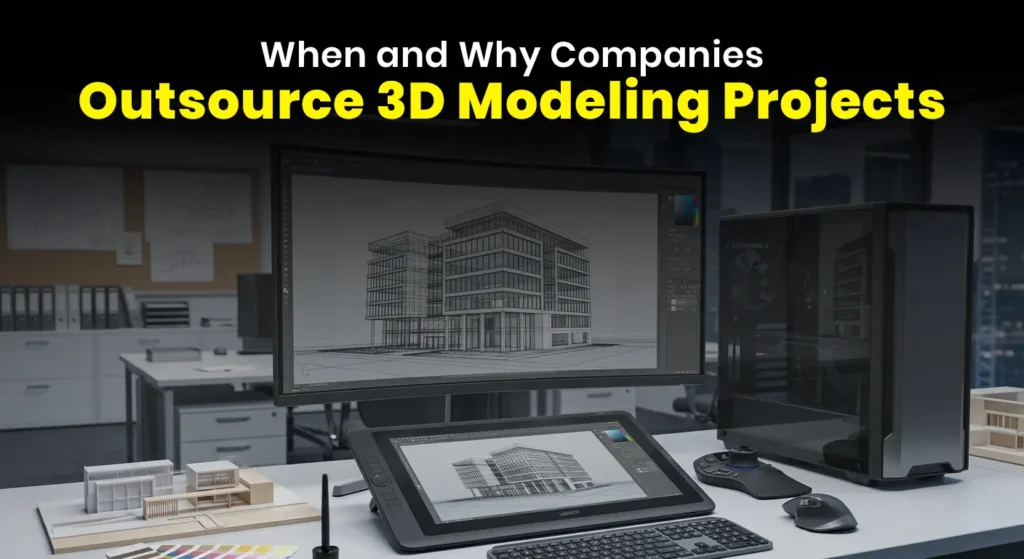
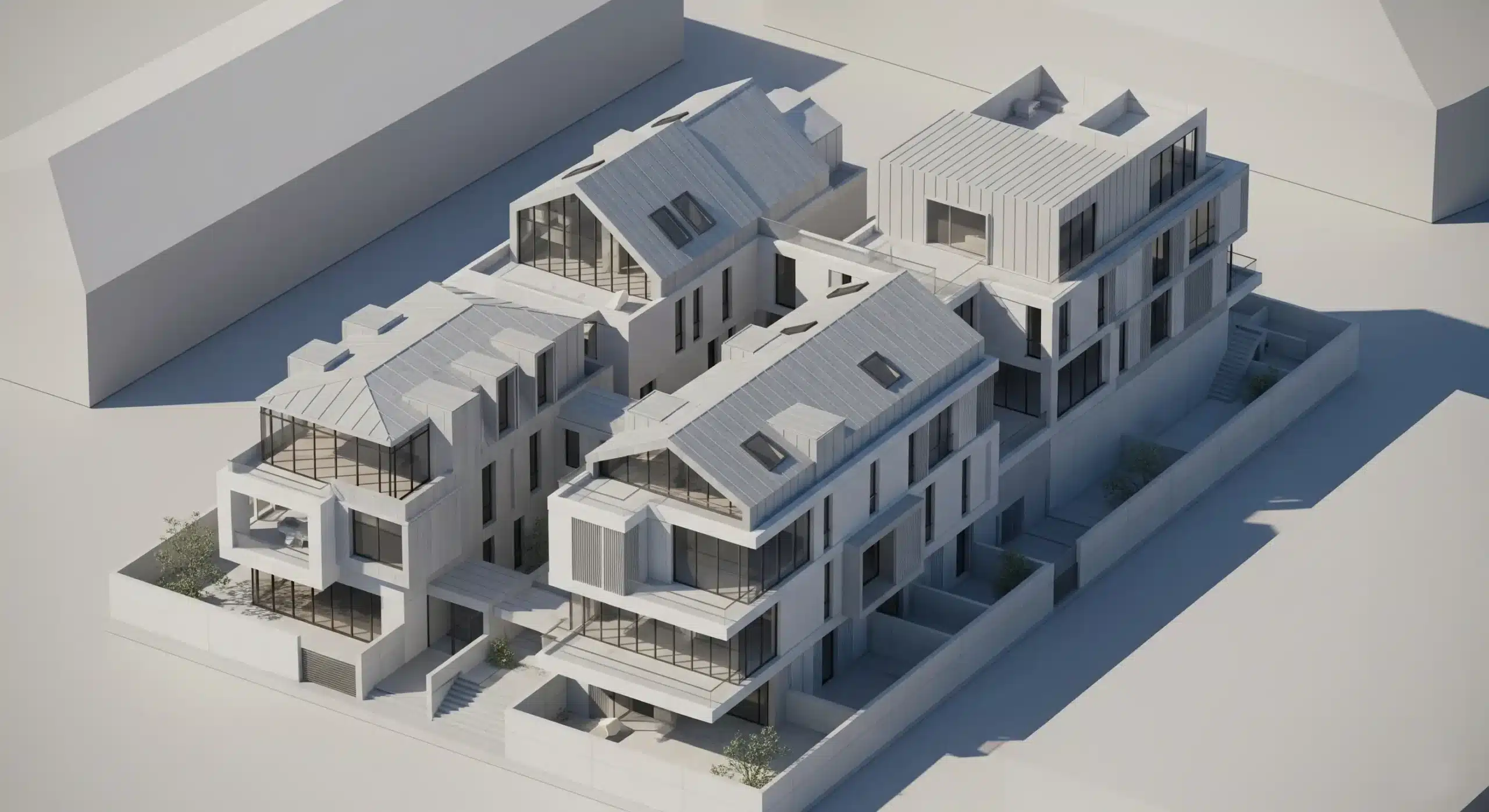
Architectural visualization has evolved dramatically over the past decade, becoming one of the most strategic tools for forward-thinking real estate developers. As competition tightens and investor expectations rise, the ROI of Architectural 3D Modelling for Real Estate Developers has moved from a “nice-to-have” feature to an essential part of project planning, sales, and execution.
Today, 3D modelling is more than an aesthetic upgrade—it’s a business asset that directly impacts timelines, budgeting, design accuracy, and market positioning. By offering immersive clarity long before construction begins, real estate professionals are now equipped to make smarter decisions, secure investments faster, and minimize costly revisions.
Below, we explore the financial, operational, and strategic advantages that deliver high ROI.
Why 3D Modelling Has Become a Financial Imperative
In a rapidly shifting market, developers must communicate value quickly and clearly. Traditional 2D blueprints, static images, or early-stage sketches often fall short when presenting a vision to buyers or stakeholders.
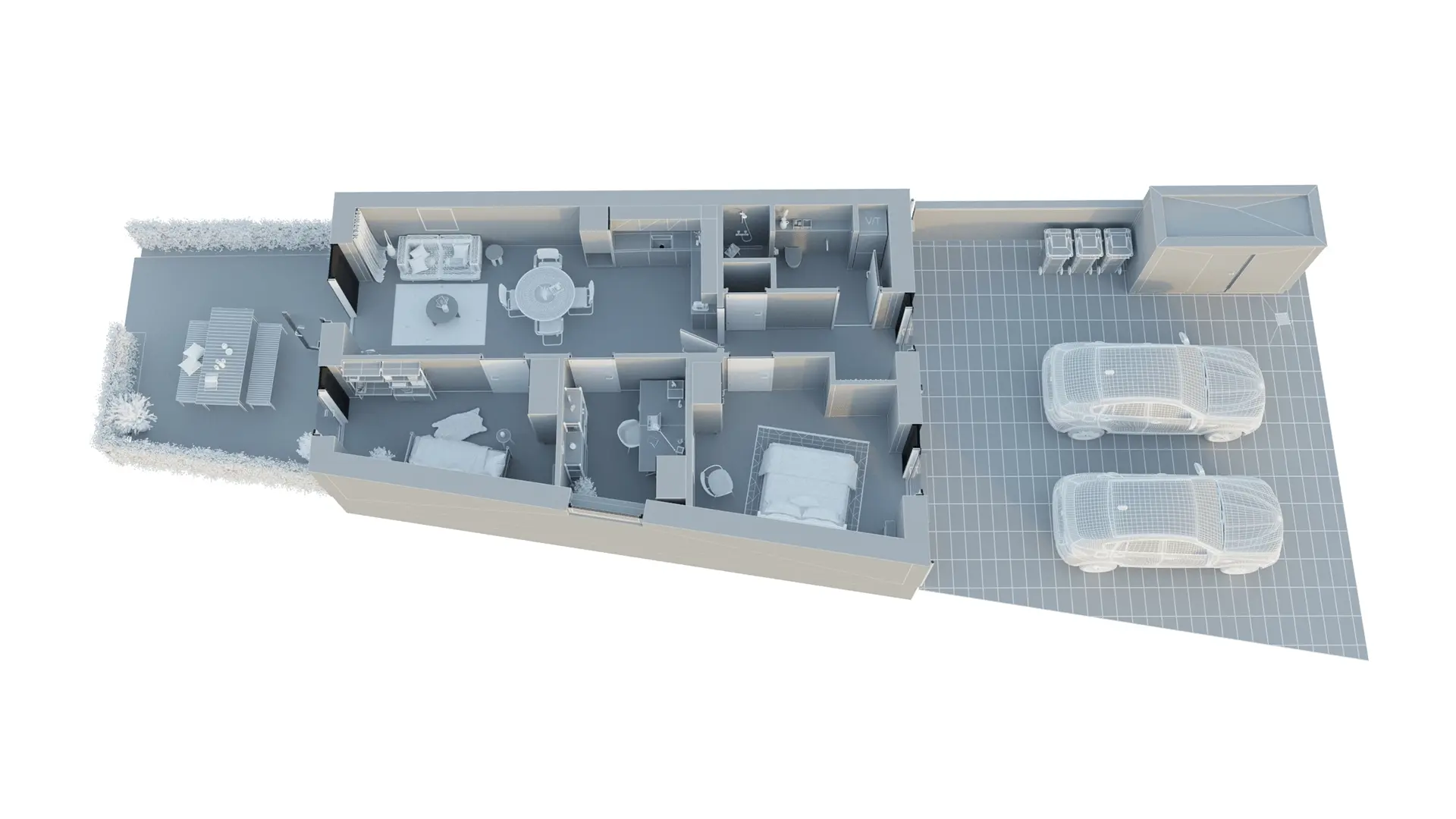
Architectural 3D modelling bridges this gap by translating design intentions into realistic, accurate, and immersive visuals—including interior layouts, exterior facades, lighting environments, and landscape features. This clarity directly drives financial returns because investors and buyers can visualize the finished property at full scale, reducing uncertainty and hesitation.
From improved design efficiency to accelerated pre-sales, the ROI of Architectural 3D Modelling for Real Estate Developers proves itself at every stage of the property lifecycle.
Financial Returns: How 3D Modelling Impacts Revenue Growth
The strategic use of 3D modelling delivers measurable gains in revenue and sales efficiency. Developers experience increased buyer confidence, faster decision-making, and stronger pre-launch interest—all of which are critical to project profitability.
Higher Conversion Rates
When prospects can experience a property visually—even before construction begins—they are far more likely to commit. Detailed 3D tours, flythroughs, and interactive floor plans eliminate ambiguity and bring the project to life. This emotional and practical connection significantly boosts sales conversions.
Premium Pricing Opportunities
High-quality 3D representations allow developers to highlight value-adding features such as premium materials, smart layouts, and amenities. When the lifestyle narrative is clear and impactful, buyers are more willing to pay for upgrades or prime units.
Enhanced Investor Confidence
Investors want certainty, and 3D models provide exactly that. Tangible visual data reduces perceived risks and improves the likelihood of receiving early-stage capital.
Operational Savings: Reducing Cost and Waste
Beyond sales, one of the most powerful components of the ROI equation is the significant cost reduction that 3D modelling enables throughout design and construction.
Fewer Design Errors and Revisions
Errors caught early save thousands. 3D models reveal structural conflicts, layout inefficiencies, and spatial challenges long before materials are ordered or walls are built. This drastically reduces rework—a major source of cost overruns in real estate development.
Optimized Communication Across Stakeholders
3D models serve as a shared, unified visual language across architects, engineers, contractors, and marketing teams. The improved clarity reduces misinterpretation and accelerates workflows, lowering the probability of delays.
Speed to Market: Accelerating Time-to-Sale
Time is one of the most crucial factors affecting real estate profitability. Every month a property remains unsold increases carrying costs and reduces overall returns.
Faster Pre-Sales Launches
3D imagery allows developers to begin selling before construction begins, capturing early buyers and generating consistent cash flow.
Shortened Approval Cycles
Municipal authorities and planning boards often approve visually clear, well-detailed models more quickly than standard blueprint submissions. Visual transparency supports smoother regulatory procedures, reducing bottlenecks.
Strategic Marketing Advantages
In an industry where differentiation drives demand, architectural 3D modelling plays a pivotal role in high-impact marketing and brand storytelling.
More Engaging Visual Marketing Campaigns
3D renders elevate brochures, websites, social ads, and presentations, converting them into immersive selling tools capable of drawing higher engagement.
Remote and Global Sales Opportunities
Buyers abroad or out of state can experience the property virtually. This opens new markets and expands the potential buyer pool, enhancing overall demand.
Two Key Insights for Developers
Here are two brief but powerful takeaways for decision-makers evaluating 3D modelling investments:
- 3D modelling reduces uncertainty, accelerating both investor commitments and buyer decisions.
- It significantly lowers long-term development costs by eliminating design conflicts before construction begins.
Comparing Cost vs. ROI: A Practical View
Below is a simplified table illustrating how architectural 3D modelling delivers value relative to its cost for typical real estate projects.
| Cost Factor | Typical Investment | ROI Impact | Outcome for Developers |
| 3D Exterior + Interior Modelling | Moderate, one-time design cost | High | Faster sales, premium pricing |
| 3D Floor Plans | Low | Medium | Better buyer clarity, higher conversions |
| Walkthrough Animations | Higher | Very High | Greater remote/international sales |
| Construction Clash Detection | Moderate | Extremely High | Major reduction in rework and delays |
| Marketing Visual Assets | Low–Moderate | High | Improved branding and lead generation |
Developers consistently report that the cost of producing professional 3D models is outweighed by gains in faster approvals, higher sales velocity, and reduced waste during construction.
For further reading on industry standards and visualization techniques, explore the resources from organizations like the American Institute of Architects (AIA).
3D Modelling Pays for Itself
When evaluating the ROI of Architectural 3D Modelling for Real Estate Developers, one message becomes clear: the investment is not just beneficial—it is transformative. The ability to visualize, refine, and market developments with unprecedented accuracy directly affects profitability and long-term project success.
Developers who adopt 3D modelling early in their workflow consistently outperform competitors in sales timing, cost control, and investor engagement. As the real estate market becomes more demanding and innovation-driven, leveraging 3D modelling isn’t just a design upgrade—it’s a strategic advantage that protects budgets and maximizes returns.