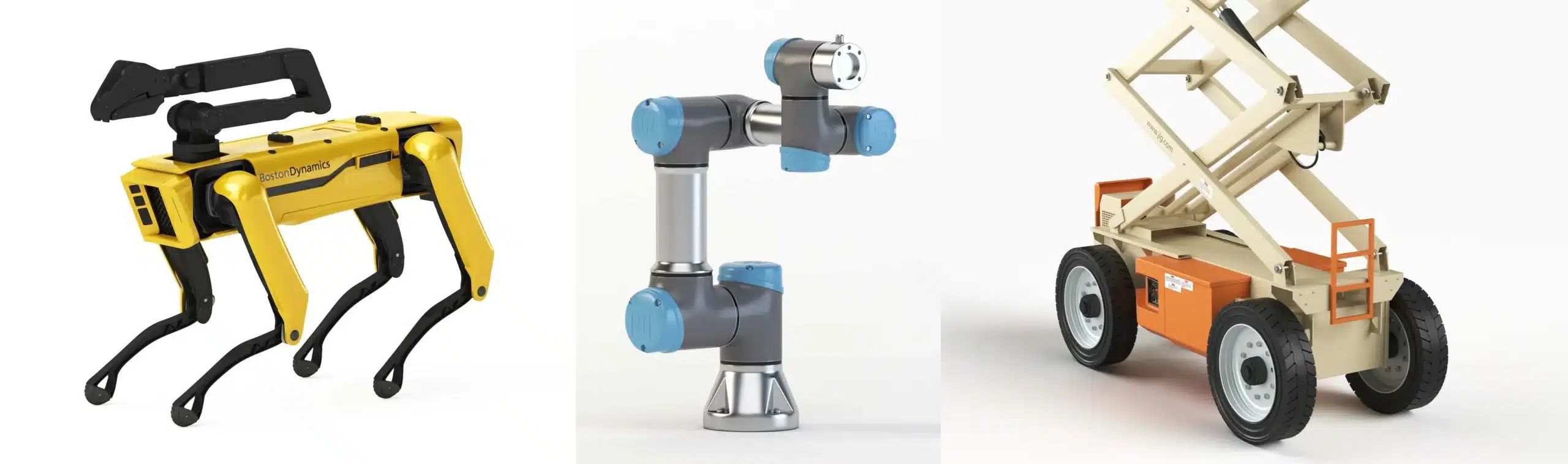
Germany’s industrial sector is defined by precision engineering, advanced manufacturing, and global competitiveness. From complex machinery to fully automated production systems, German manufacturers operate in an environment where clarity, accuracy, and trust are essential. As buying journeys increasingly move online, visual communication has become a strategic necessity rather than a creative add-on.
This shift has driven strong demand for industrial CGI services Germany, enabling manufacturers to present complex products and systems with clarity, realism, and technical credibility. Industrial CGI is now a critical bridge between engineering expertise and effective B2B communication.
The Role of Industrial CGI in Manufacturing Communication
Industrial CGI (Computer-Generated Imagery) refers to the creation of highly detailed digital visuals that represent industrial products, machinery, and manufacturing processes. Unlike generic 3D graphics, industrial CGI is rooted in engineering data and technical logic.
For CGI for manufacturing companies Germany, this means visuals that accurately reflect:
- Real dimensions and proportions
- Materials, finishes, and surface behavior
- Mechanical relationships between components
- Functional workflows and operating principles
In industries where products are complex and expensive, CGI reduces ambiguity and helps decision-makers understand value faster and more confidently.
Why Industrial 3D Rendering Is Essential in the German Market
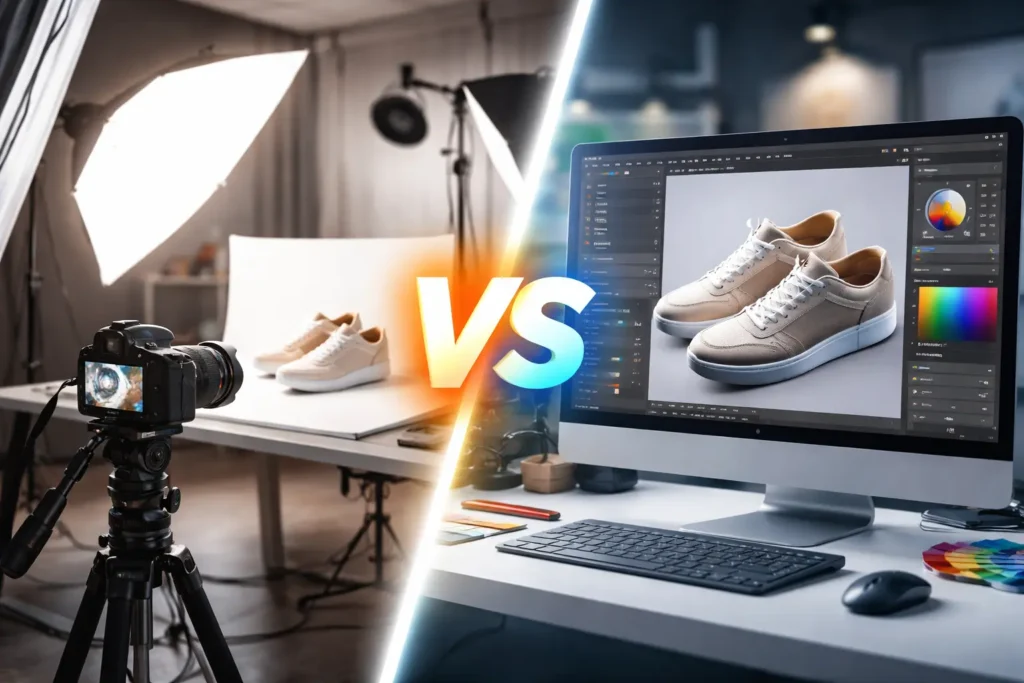
German manufacturers often serve international markets where buyers cannot physically inspect machinery or production systems. Traditional photography has limitations—it depends on completed products, physical access, and costly logistics.
Industrial 3D rendering Germany removes these barriers by allowing manufacturers to visualize products before production, during development, or in idealized environments. This is particularly valuable for export-oriented companies selling customized or large-scale equipment.
Key reasons industrial CGI has become essential in Germany include:
- Increasing product customization
- Longer and more complex B2B decision cycles
- Higher expectations for transparency and technical detail
- Digital-first research behavior among buyers
In this context, CGI becomes a core communication tool rather than a supporting asset.
Machinery Visualization Without Physical Constraints
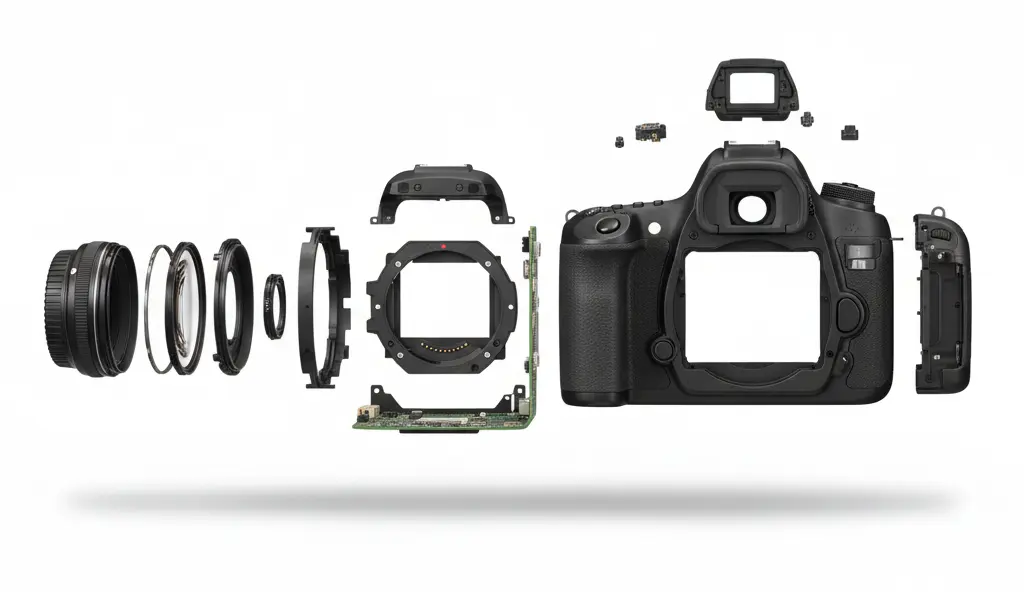
Heavy machinery and industrial systems are among the hardest products to market visually. Transporting equipment for photography or trade shows is expensive, time-consuming, and sometimes impossible.
This is where machinery 3D rendering Germany provides a decisive advantage. CGI enables manufacturers to present machinery in a controlled, optimized visual environment while maintaining full technical realism.
Through CGI, companies can:
- Display internal components using cutaway views
- Demonstrate motion, workflows, and operational logic
- Present multiple configurations from a single base model
- Maintain consistent visuals across global markets
For complex equipment, CGI communicates functionality far more effectively than static images or technical drawings alone.
CGI as a Core Tool for B2B Industrial Marketing
Industrial buyers rarely make decisions based on aesthetics alone. They evaluate performance, reliability, and suitability for their specific use case. Visual clarity plays a major role in how quickly this evaluation happens.
CGI for B2B industrial marketing supports this process by turning technical complexity into clear, digestible visuals. When paired with accurate specifications and messaging, CGI helps buyers understand not just what a product is, but why it fits their needs.
Common marketing applications include:
- Website product pages and landing pages
- Digital brochures and catalogs
- Sales presentations and pitch decks
- Trade fair visuals and large-format displays
In each case, CGI reduces friction in the buyer journey and supports more informed conversations.
Photorealism and Technical Accuracy: Non-Negotiable Standards
In industrial contexts, visual credibility is critical. Buyers with technical backgrounds can quickly identify inaccuracies, which can undermine trust.
This is why photorealistic industrial CGI must always be paired with technical accuracy in industrial CGI. High-quality industrial visuals are not just visually appealing—they are engineering-verified.
Accurate industrial CGI reflects:
- Correct scale and proportions
- Realistic material properties
- Accurate assembly logic
- Industrial lighting and environmental conditions
In Germany, where engineering standards are exceptionally high, CGI visuals are often reviewed by technical teams before being used in marketing or sales.
Industrial CGI in Germany’s Digital Ecosystem
Germany’s industrial visualization landscape benefits from close collaboration between engineers, designers, and marketers. Cities such as Berlin have become hubs where advanced manufacturing meets digital creativity.
Industrial CGI services in Germany are increasingly used not only for external marketing, but also for:
- Internal technical training
- Process optimization visualization
- Stakeholder communication
- Product development alignment
This broader adoption reflects CGI’s growing role across the entire manufacturing lifecycle.
Business Impact of Industrial CGI for Manufacturers
Industrial CGI delivers measurable value across multiple business functions, not just marketing.
Key benefits include:
- Faster understanding of complex products
- Reduced reliance on physical prototypes
- Improved lead quality through better education
- Shorter sales cycles in B2B environments
- Consistent product messaging across regions
For manufacturing companies, CGI becomes a scalable asset that supports growth, efficiency, and global reach.
How Industrial CGI Supports the Buyer Journey
Modern industrial buyers interact with multiple touchpoints before making contact. CGI supports each stage of this journey by improving clarity and confidence.
| Buyer Stage | How CGI Adds Value |
| Awareness | Visual explanation of complex products |
| Research | Clear presentation of features and configurations |
| Evaluation | Builds trust through realism and accuracy |
| Decision | Helps internal stakeholders align faster |
This alignment makes CGI particularly effective for high-value, long-cycle industrial sales.
Choosing the Right Industrial CGI Approach
Not all CGI is suitable for industrial use. Manufacturers should prioritize:
- Experience with industrial and manufacturing sectors
- Ability to work from CAD and technical data
- Understanding of B2B industrial communication
- Proven focus on accuracy, not just aesthetics
Studios such as 4dviz.com operate with this engineering-driven approach, aligning visualization with real manufacturing requirements rather than purely creative output.
Frequently Asked Questions
1. What makes industrial CGI different from regular 3D rendering?
Industrial CGI is based on real engineering data and focuses on technical accuracy, while general 3D rendering often prioritizes visual style over realism.
2. Can industrial CGI replace physical prototypes?
In many cases, yes. CGI allows manufacturers to visualize products before production, reducing the need for early physical prototypes.
3. Is industrial CGI suitable for small and mid-sized manufacturers?
Yes. CGI is especially valuable for companies that need high-quality visuals without the cost and logistics of physical photography or demonstrations.
4. Why is industrial CGI particularly important in Germany?
Germany’s engineering-focused manufacturing culture demands precision, transparency, and technical credibility—qualities that high-quality industrial CGI provides.
Conclusion
As manufacturing becomes more digital and globally competitive, visual communication plays a critical role in how products are understood and evaluated. Industrial CGI services Germany offer manufacturers a powerful way to present complexity with clarity while maintaining the technical rigor their markets expect.
By combining industrial 3D rendering Germany, machinery 3D rendering Germany, and technical accuracy in industrial CGI, manufacturers can support sales, marketing, and communication efforts more effectively across global markets.
In today’s B2B manufacturing landscape, industrial CGI is no longer just about visuals—it is about enabling better decisions, faster understanding, and stronger trust.