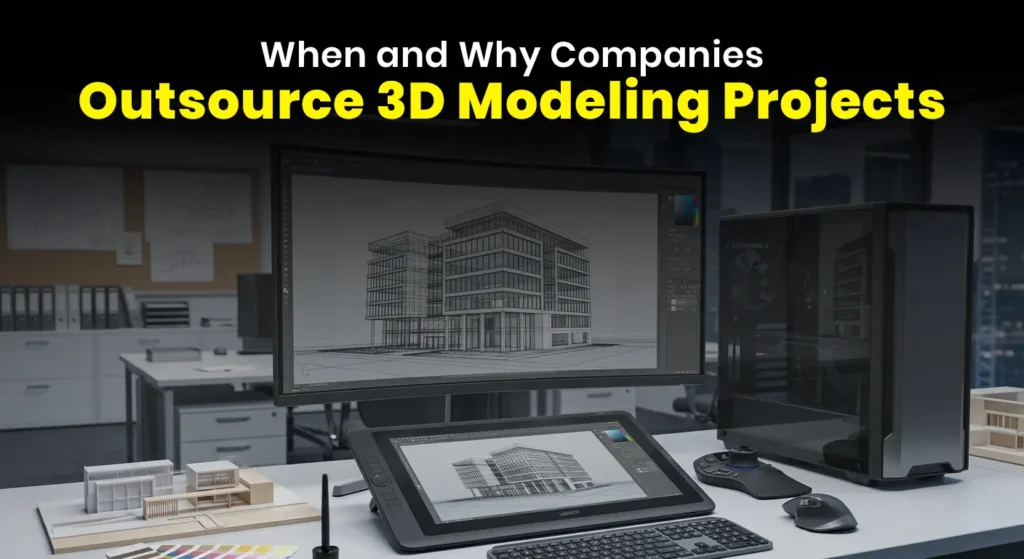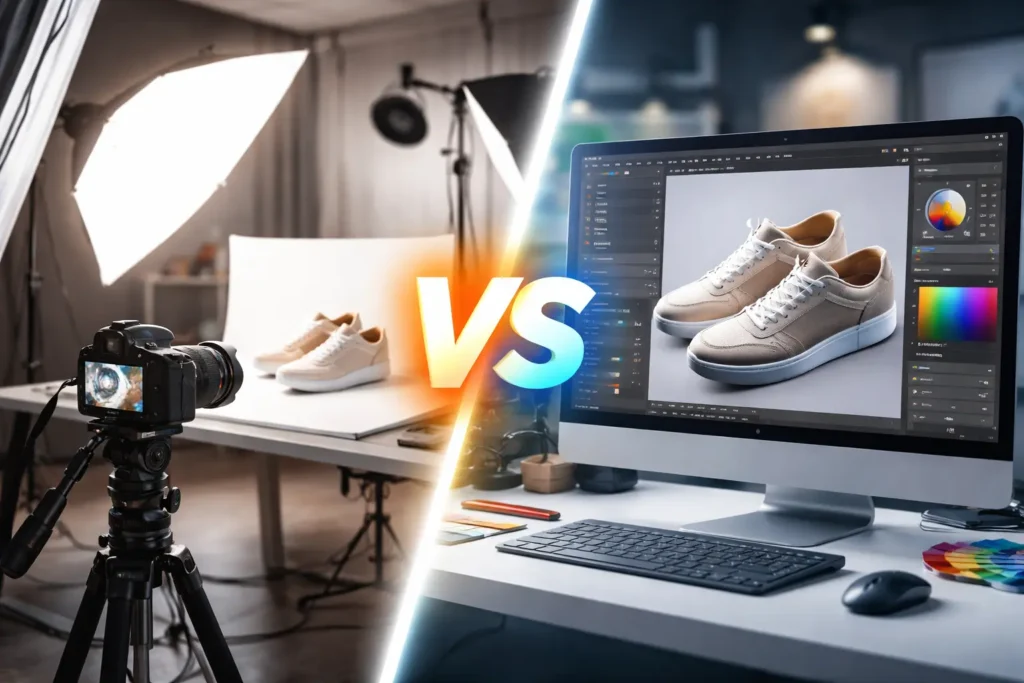

Understanding the Importance of 3D Interior Rendering
In today’s fast-paced real estate environment, projects move quickly and decision-makers expect precision. This is where 3D interior rendering plays a vital role. These digital visualizations allow stakeholders to see a property before construction starts, reducing confusion and building confidence. When real estate professionals understand their designs clearly from the beginning, approvals tend to move faster with fewer disruptions.
Definition and Core Principles of 3D Interior Rendering
3D interior rendering is the process of creating realistic, full-color images of interior spaces using advanced computer software. These images replicate real-life textures, materials, lighting, and spatial layouts. By combining architectural data with artistic visualization, these renderings give a “near-final” look at a project long before construction begins.
Why Real Estate Professionals Rely on Digital Visualization
Real estate developers and property managers depend on digital visualization because it provides unmatched clarity. Traditional 2D plans often leave room for interpretation, leading to delays when ideas don’t match expectations. With 3D interior rendering, even non-technical stakeholders understand exactly what the finished space will look like. This clarity boosts trust and shortens the approval timeline.
How 3D Interior Rendering Speeds Up Approvals in Real Estate
Immediate Visual Clarity for Stakeholders
When everyone involved sees the same clear digital image, decisions can be made quickly. High-quality renderings reduce confusion and answer questions that might normally delay approval. Seeing color palettes, furniture placement, and lighting setups helps investors and clients visualize the end result, allowing them to give approval with confidence.
Eliminating Misunderstandings Early in the Process
Misunderstandings between architects, developers, and clients can delay projects by weeks. Renderings reduce this risk by showing details that 2D drawings simply cannot express. When changes are needed, they’re identified early — not during construction — preventing costly mistakes and time-consuming revisions.
Faster Revisions Through Real-Time Adjustments
Modern rendering tools allow changes to be made quickly and shown instantly. Instead of redrawing plans, designers can adjust lighting, materials, or layouts in minutes. This speed greatly reduces back-and-forth communication, helping approvals happen much sooner.
Enhancing Collaboration Across Teams
Successful real estate projects depend on teamwork. 3D interior rendering enhances communication and ensures everyone remains aligned.
Streamlining Communication With Clients and Developers
3D visuals make meetings more productive because they show exactly what’s planned. Clients can point to specific elements, request adjustments, and provide immediate feedback. This clear communication supports faster approval cycles and reduces confusion among developers.
Cross-Department Integration for Smoother Workflow
From architects to builders to marketing teams, 3D renderings ensure everyone sees the same design. Teams can collaborate more effectively, reducing the time spent clarifying details or correcting misunderstandings.
Reduction of Costly Revisions and Project Delays
Project delays are often caused by avoidable mistakes. Rendering helps prevent them.
Minimizing On-Site Rework Through Pre-Visualizations
When designs are accurately visualized ahead of time, construction issues can be spotted early. Renderings help teams identify layout conflicts, lighting challenges, or material mismatches, reducing the need for on-site changes.
Improved Material & Layout Validation
Stakeholders can validate colors, finishes, and textures before making final decisions. This ensures projects move forward smoothly without the need for late-stage corrections.
Real-World Applications in Real Estate Approvals
3D interior rendering benefits many sectors within real estate.
Commercial Properties
Developers of offices, hotels, retail stores, and restaurants use renderings to secure approvals from investors, regulators, and brand partners. They provide a professional look that supports branding and financial decisions.
Residential Projects
Homebuilders and luxury property developers rely on renderings to impress clients and speed up contract signings. Buyers can visualize their future homes and request modifications before construction begins.
Choosing the Right 3D Interior Rendering Partner
The quality of a rendering can influence approval speed.
Key Qualities to Look For
A reliable rendering partner should have:
- A strong professional portfolio
- Clear communication skills
- Industry experience in real estate
- A proven track record of timely delivery
Technology and Software Capabilities
Developers should work with teams using advanced tools such as 3ds Max, VRAY, Corona Renderer, or Lumion. These platforms create highly realistic results that support fast decision-making.
FAQs
1. How does 3D interior rendering help with client communication?
It provides realistic visuals that help clients understand the design clearly, reducing confusion and speeding up approvals.
2. Is 3D rendering more effective than traditional 2D plans?
Yes. 3D renderings offer clarity and realism that 2D plans cannot provide, making approval processes smoother.
3. Can 3D renderings reduce project costs?
Absolutely. They help prevent mistakes and reduce last-minute changes, saving both time and money.
4. Are renderings useful for both residential and commercial projects?
Yes. Developers across all property types use renderings to secure approvals faster.
5. What software is commonly used for 3D interior rendering?
Popular tools include VRAY, 3ds Max, and Lumion for high-quality visual output.
6. Do renderings help with investor decision-making?
Yes. Investors appreciate clear visual representations because they show exactly how the finished project will look.
Conclusion
Understanding How 3D Interior Rendering Speeds Up Approvals can transform the way real estate professionals manage projects. By improving clarity, reducing mistakes, and speeding up communication, 3D interior rendering has become an essential tool in modern real estate development. It supports better collaboration, lowers risk, and ensures that decision-makers feel confident approving designs — all contributing to a faster, more efficient workflow.
For more industry insights, you can explore resources like ArchDaily for the latest trends in architectural visualization.