In the fast-paced world of engineering and product design, visual communication is everything. Today’s clients demand more than flat blueprints and static CAD models—they expect lifelike, immersive visuals that bring complex ideas to life. That’s where 3D product rendering for engineering firms in Houston, TX plays a transformative role.
As Houston continues to grow as a hub for energy, manufacturing, and infrastructure development, engineering firms are turning to 3D visualization technologies to stay ahead. From concept validation to stakeholder presentations, 3D rendering bridges the gap between design and execution.
What Is 3D Product Rendering?
Defining 3D Product Rendering
3D product rendering is the process of creating a digital, photorealistic image or animation of an object or structure using specialized software. It allows engineers and designers to visualize products with precise materials, lighting, and textures before production begins.
The Technology Behind Realistic Renderings
Modern 3D rendering leverages software such as Autodesk 3ds Max, Blender, or SolidWorks, combined with GPU-based rendering engines. These technologies simulate real-world physics—such as light refraction, shadow depth, and material reflection—to create visuals nearly indistinguishable from real photographs.
Why 3D Product Rendering Matters for Engineering Firms
Enhanced Design Visualization
Instead of relying on technical drawings alone, 3D renderings allow teams to explore every design angle with unparalleled clarity. This helps engineers detect flaws early and make informed design changes efficiently.
Faster Client Approvals and Reduced Rework
High-quality visuals foster better client understanding, leading to quicker approvals. As clients can “see” the final product upfront, the risk of miscommunication and post-approval revisions is drastically reduced.
Improved Collaboration Between Teams
3D renderings serve as a common visual language among design, manufacturing, and marketing teams. Everyone—from engineers to executives—can assess designs using the same visual reference, improving overall workflow synchronization.
Benefits of 3D Product Rendering for Houston-Based Engineering Firms
Local Market Competitiveness
Houston’s engineering sector is competitive, with firms vying for large-scale contracts. 3D rendering helps local firms stand out by offering visually compelling proposals that resonate with clients and investors.
Streamlined Communication with Stakeholders
Visual models make it easier to convey technical ideas during client meetings, investor pitches, or city approval presentations. A well-rendered model eliminates jargon, helping non-technical stakeholders grasp the concept instantly.
Cost-Efficient Prototyping and Presentations
3D rendering replaces costly physical prototypes with accurate digital models. Firms save time and materials while still achieving lifelike visualizations ideal for marketing, training, or design review purposes.
Key advantages include:
- Faster project visualization cycles
- Reduced prototyping costs
- Better alignment with client expectations
- Enhanced presentation quality
Applications of 3D Rendering in Engineering Projects
Product Design and Development
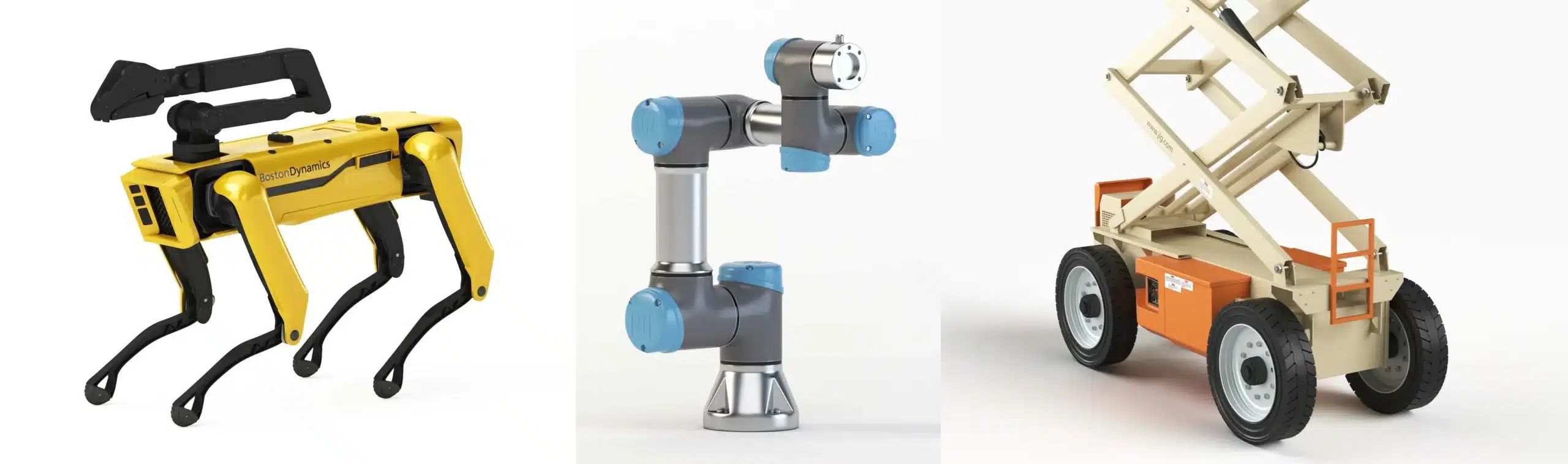
From mechanical components to full-scale machinery, renderings assist in visualizing form, fit, and function. Engineers can refine designs before production begins, ensuring higher precision.
Mechanical and Structural Visualization
Complex assemblies and load-bearing structures can be rendered in detail, allowing stress testing and aesthetic evaluations before construction or manufacturing.
Architectural and Infrastructure Modeling
In civil and structural engineering, 3D rendering supports accurate modeling of bridges, pipelines, and large facilities—crucial for city planning and environmental impact studies.
Choosing the Right 3D Rendering Partner in Houston
Key Qualities to Look For
When selecting a 3D rendering firm, prioritize:
- Proven expertise in engineering visualization
- Access to advanced rendering tools
- A strong local portfolio in Houston projects
- Excellent communication and project management
Questions to Ask Before Hiring a 3D Rendering Studio
Choosing the right 3D rendering partner goes beyond price — it’s about technical precision, communication, and understanding your industry. Here are the most effective questions every engineering firm should ask before hiring:
1. Do you understand engineering visualization standards?
Look for experience with CAD models, tolerances, and technical drawings. A rendering team familiar with engineering data ensures accurate geometry and proportions.
2. Which file formats do you support?
Confirm compatibility with STEP, IGES, STL, and DWG files. Seamless integration with your internal design software prevents costly conversion errors.
3. How do you manage confidentiality and design data security?
Your designs are proprietary assets. Ensure the rendering firm uses NDAs, encrypted transfers, and strict access controls.
4. What’s your process for revisions and approvals?
Ask how many review cycles are included, average turnaround time for changes, and whether revisions are charged per round or milestone.
5. Can you show examples of similar engineering projects?
Request case studies or portfolio samples that demonstrate realistic materials, lighting, and precision. Real-world examples reflect technical credibility.
6. What makes your service unique in the Houston market?
Encourage them to highlight strengths such as local industry experience, fast turnaround, or advanced rendering tools like V-Ray or Unreal Engine.
In short: Choose a rendering partner who values accuracy, security, and transparency as much as aesthetics. These questions will help you identify firms capable of delivering technical excellence and business impact.
Future Trends in 3D Rendering for Engineering Firms
Integration of AI and Real-Time Rendering
AI-assisted rendering is reducing design-to-visualization time dramatically. With real-time rendering engines, engineers can instantly adjust lighting, materials, and textures during live client sessions.
The Role of Virtual Reality (VR) and Augmented Reality (AR)
VR and AR technologies are transforming client engagement. Firms can now present interactive 3D walkthroughs or AR overlays that allow clients to “experience” designs before construction even begins.
Conclusion: Embracing the Future of Engineering Visualization
3D product rendering is no longer a luxury—it’s a necessity for modern engineering firms in Houston, TX. It empowers teams to communicate complex ideas visually, minimize costly rework, and enhance overall project outcomes. By embracing this technology, firms position themselves as innovators ready to meet the challenges of tomorrow’s engineering landscape.