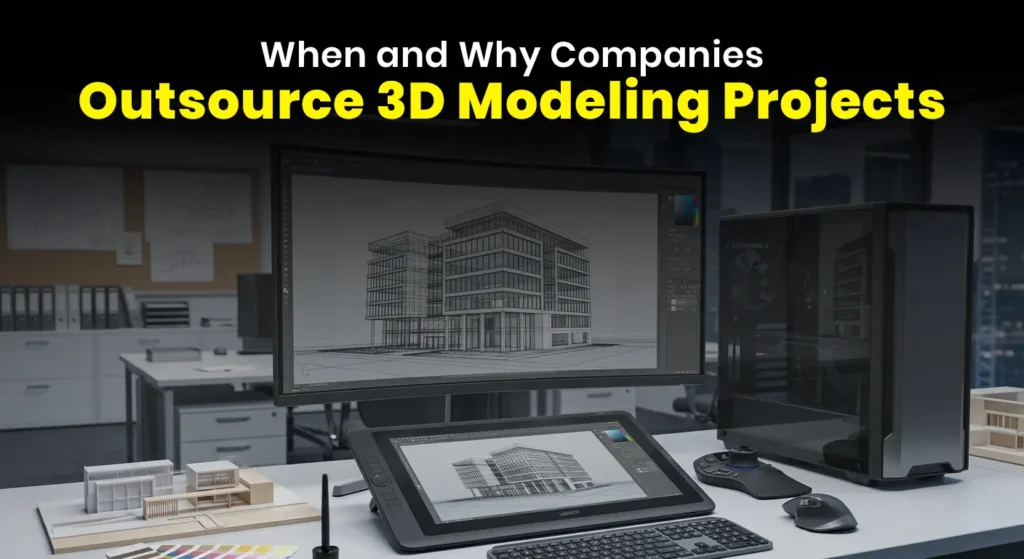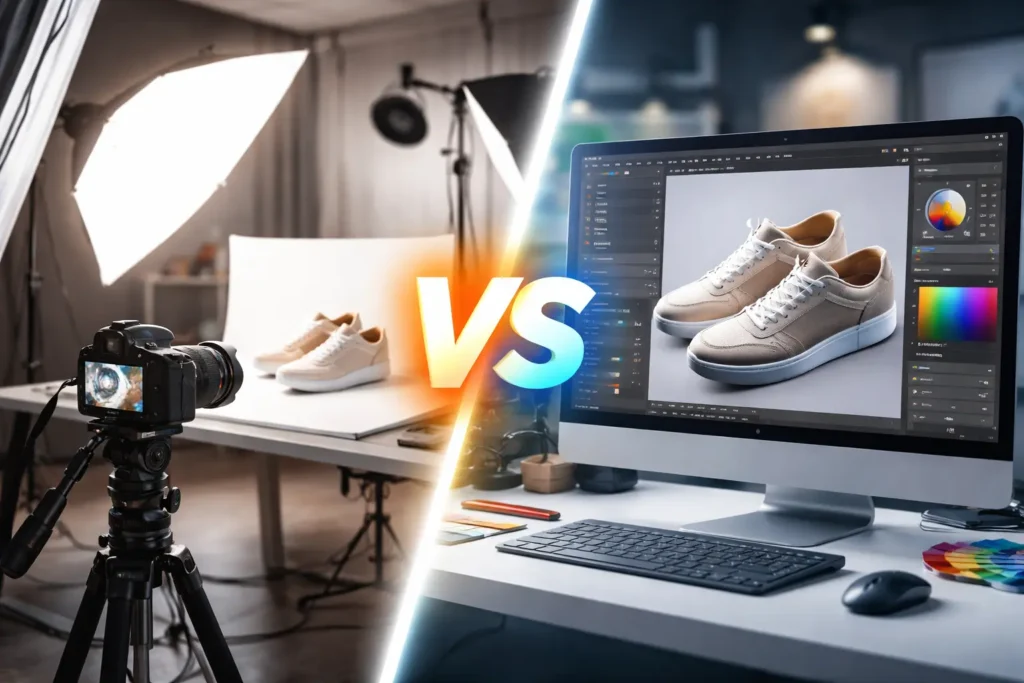
In the competitive and fast-moving world of New York eCommerce, furniture brands face constant pressure to stand out, innovate, and meet rising consumer expectations. Traditional product photography—once the backbone of digital retail—no longer provides the flexibility or speed that the modern market demands. As a result, many eCommerce businesses are embracing 3D furniture rendering, a technology that blends artistry, accuracy, and efficiency to create photorealistic visuals without the limitations of a physical studio.
For professional teams looking to scale content production, improve customer experience, and accelerate time-to-market, 3D rendering has become a strategic advantage. In New York’s crowded eCommerce landscape, where buyers expect premium visuals and quick decisions, adopting this technology is often the difference between average results and exceptional performance.
Why New York eCommerce Brands Are Turning to 3D Rendering
New York’s furniture market is saturated with both local artisans and large-scale retailers. Every brand needs visuals that reflect quality and sophistication. Traditional photography simply can’t keep up with the demands of seasonal catalogs, rapid product updates, or customized designs.
3D furniture rendering changes the game. It allows brands to produce high-quality, on-demand visual assets at a fraction of the time and long-term cost associated with physical photoshoots. The ability to visualize products with perfect lighting, styling, and angles—without a studio—gives New York businesses a reliable way to differentiate themselves in a visually competitive environment.
1. Photorealistic Quality That Rivals Traditional Photography
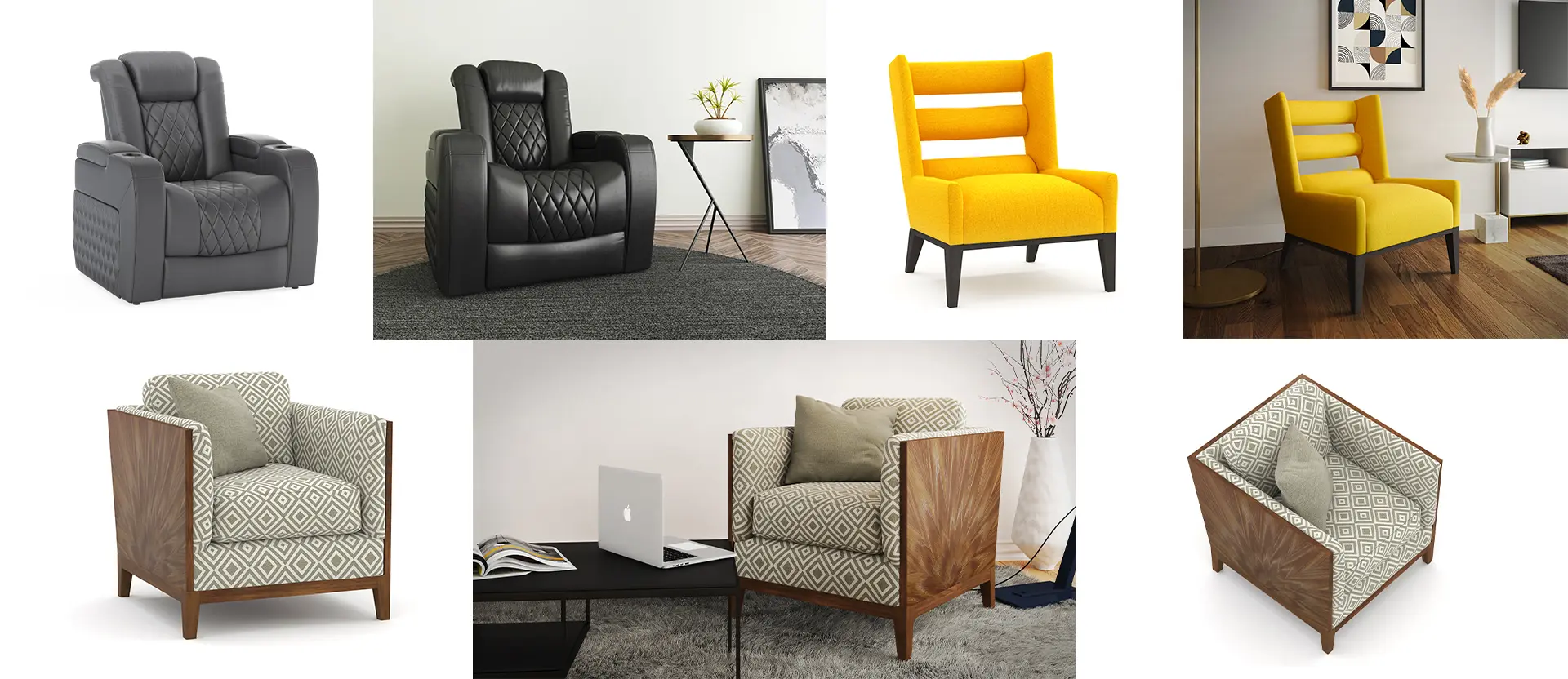
One of the most impactful benefits of 3D furniture rendering is the level of realism it offers. Modern rendering technology uses ultra-high-resolution textures, precise shading, and advanced lighting simulation to create visuals that are nearly indistinguishable from real photographs.
For New York eCommerce brands known for their design-forward aesthetic, this realism is essential. Buyers want to see every detail—fabric texture, wood grain, stitching patterns, bevels, and dimension accuracy. 3D rendering provides complete control over these details. With it, brands can showcase their products in the best possible way without worrying about weather conditions, studio imperfections, or logistical delays.
Additionally, rendering enables consistency across a product catalog. While traditional photoshoots may introduce variations in lighting or perspective, 3D renders maintain perfect uniformity. This level of precision helps reinforce brand credibility and enhances the shopping experience.
2. Faster Production and Shorter Time-to-Market
New York eCommerce brands often release new collections quickly, following trends that shift with seasons, design cycles, or city-based interior design movements. With traditional photography, producing a full set of visuals for each product involves multiple steps—transporting furniture, staging scenes, adjusting lighting, and post-editing images—which can delay campaigns by weeks.
3D rendering dramatically streamlines this process. Once a 3D model is created, multiple images can be generated almost instantly. Need a new angle? A new fabric? A new backdrop? It’s simply a matter of adjusting the rendering file.
This results in meaningful time savings:
- Launch collections earlier
- Update product pages without delays
- Create seasonal campaigns proactively
- Respond to market changes in real time
The ability to adjust visuals on demand is especially beneficial for New York brands participating in trade shows, holiday markets, or fast-paced promotional campaigns where timing is crucial.
3. Cost Efficiency and Long-Term Savings
While there is an initial investment in producing detailed 3D models, the long-term cost benefits are substantial—especially compared to traditional photography, which involves recurring expenses:
- renting a studio
- hiring a photographer
- transporting furniture
- staging and decor
- reshoots for new color variants or updates
With 3D rendering, these recurring costs disappear. Once the model exists, a brand can generate unlimited visuals at a significantly lower cost. This is especially useful for businesses with large catalogs or frequent product variations.
The financial efficiency extends to marketing teams as well. Without the need for physical photoshoots, creative departments gain more control over their timelines and budgets, allowing them to experiment with new concepts without overspending.
4. Unlimited Creative Flexibility
Traditional photography limits creative vision. You are restricted by physical space, backdrop availability, lighting, and time. But with 3D rendering, creativity becomes limitless.
Furniture can be placed:
- in luxury penthouses
- in modern New York lofts
- in minimalist studio settings
- in outdoor spaces
- in virtual environments that don’t exist in reality
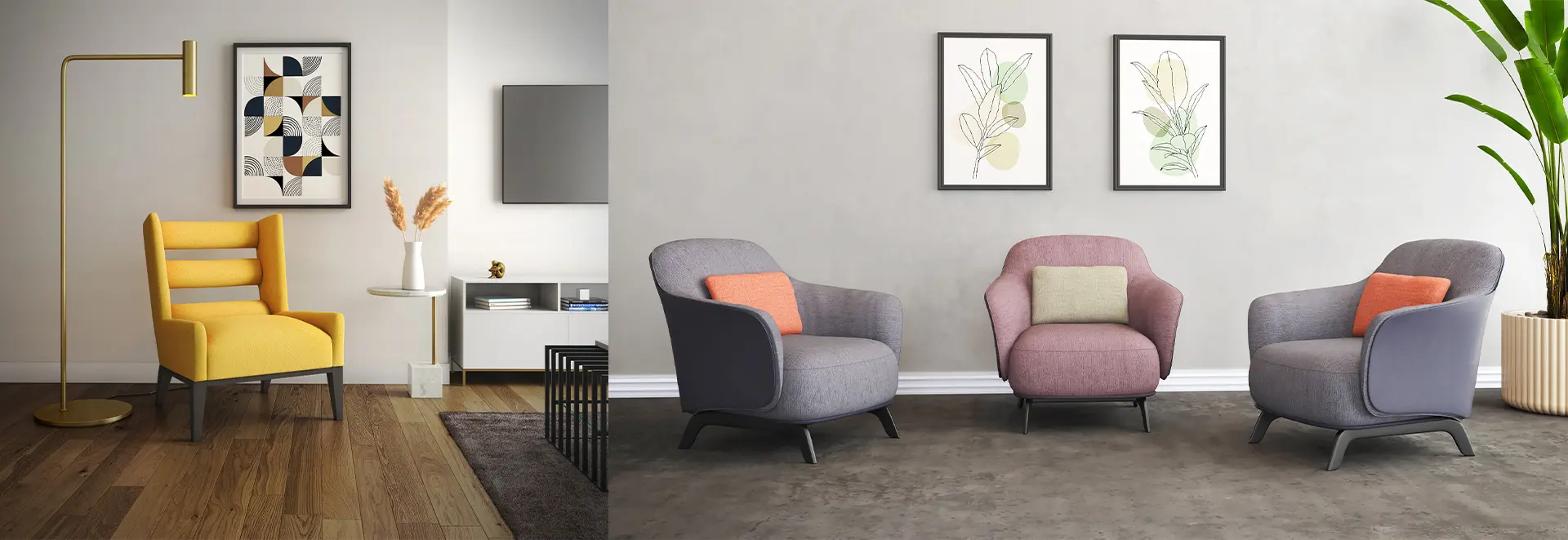
This flexibility empowers brands to create aspirational lifestyle imagery that resonates with New York’s diverse customer base. Additionally, designers can experiment with different décor, wall colors, or room layouts without investing in physical sets.
The ability to build full CGI interior scenes means brands can test concepts before committing, ensuring every visual aligns with their brand identity.
5. Seamless Product Customization and Variations
New York consumers value personalization. Whether it’s selecting upholstery, finishes, or colors, customers expect options that match their preferences. However, showcasing every variant in traditional photography is tedious and expensive.
3D rendering makes it effortless.
Once the master model is created, endless variations can be produced:
- fabrics (linen, leather, velvet, cotton)
- colors
- materials
- finishes
- hardware options
These variations look consistent across the entire product line, enhancing the shopping experience and building trust.
Advanced rendering also allows for interactive features such as product configurators, where buyers can instantly preview different options. This kind of digital engagement boosts conversions, especially in visually driven markets like New York.
6. Enhanced Customer Experience and Higher Conversion Rates
The success of any eCommerce business depends heavily on customer confidence. Shoppers want accurate visuals that help them understand scale, style, and compatibility with their own spaces.
3D rendering elevates this experience by offering:
- detailed close-ups
- 360-degree product rotations
- room-context images
- AR-supported visualization
These modern tools create a more immersive online shopping environment. Customers who can thoroughly examine a piece of furniture are more likely to make confident purchasing decisions, leading to higher conversion rates and reduced product returns.
For New York brands catering to design-conscious buyers, these upgrades are essential in staying competitive.
7. Better Content for Marketing and Social Media
3D-rendered furniture imagery works exceptionally well across multiple marketing channels. Brands can use it to produce:
- lifestyle visuals
- catalog spreads
- social media posts
- promotional banners
- email campaigns
The ability to produce visuals quickly and in various styles supports consistent branding across all platforms. This is particularly valuable in New York, where eCommerce brands compete for attention in saturated digital spaces.
High-quality visuals also improve engagement on platforms like Instagram, Pinterest, and TikTok—channels where furniture brands commonly gain traction.
8. Supports Sustainable Practices
New York businesses are increasingly focusing on sustainability. Traditional photoshoots require transportation, packaging, staging materials, and energy consumption. Though subtle, these elements contribute to environmental impact.
3D rendering reduces the need for physical resources.
No shipping. No props. No waste. No carbon-heavy logistics.
For eco-conscious brands and customers, this is a meaningful advantage.
Conclusion
For eCommerce furniture brands in New York, 3D furniture rendering offers a powerful and strategic solution to modern visual content challenges. It enables brands to produce photorealistic images, reduce costs, maintain design consistency, accelerate product launches, and enhance customer confidence—all while providing unlimited creative flexibility.
In a market defined by rapid changes and high expectations, 3D rendering is more than a design tool—it’s a competitive advantage. Brands that adopt this technology position themselves at the forefront of innovation and set a higher standard for product visualization in the digital age.
To stay updated on global 3D visualization trends, interviews, and studio spotlights, you can browse CG Architect: https://www.cgarchitect.com