
1. Enhanced Visual Communication and Presentation
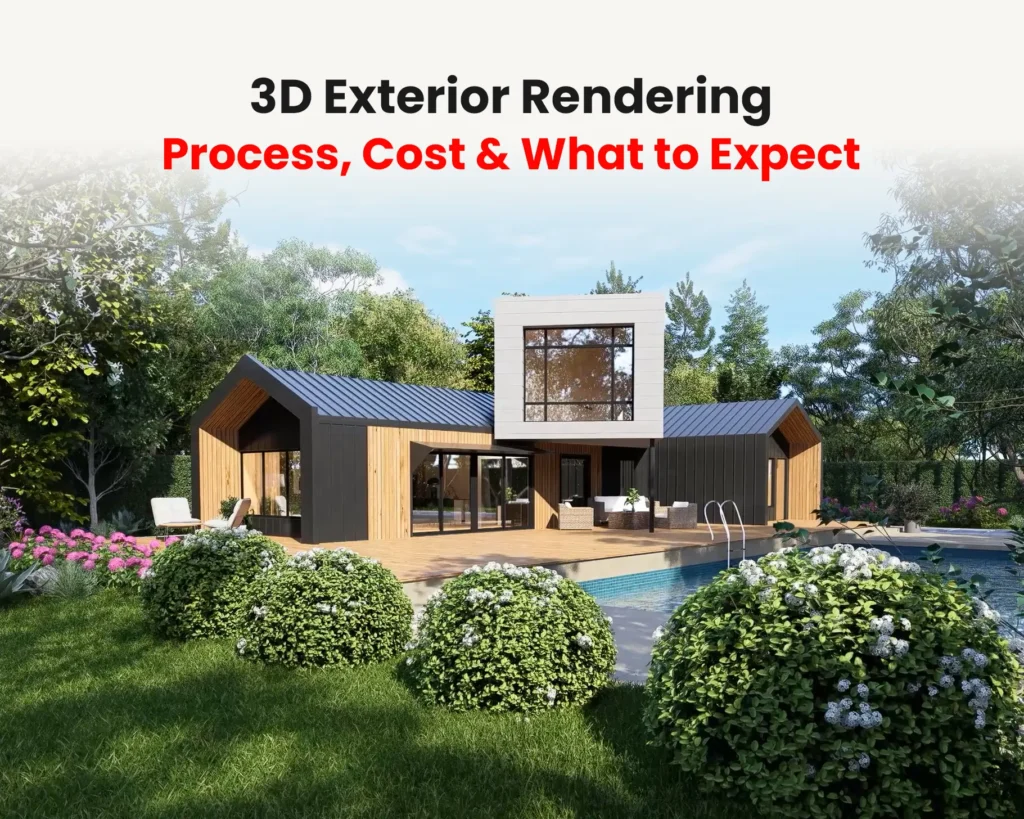
One of the most significant advantages of 3D rendering in architecture is its ability to provide clear and realistic visual representations of a design. Traditional 2D blueprints and sketches can often leave room for interpretation, making it challenging for clients or stakeholders to visualize the final outcome of a project. With 3D rendering, architects can create lifelike images that showcase the design in a way that is easy to comprehend, even for those without an architectural background.
Not only do these renderings bring the design to life, but they also enable the exploration of different design elements, such as materials, lighting, and textures, allowing for more informed decision-making. As a result, the presentation of a design becomes more engaging and persuasive, leading to faster approvals and a more effective communication process between architects, clients, and contractors.
Real-world Impact:
- A study by the National Association of Realtors found that 3D renderings help real estate professionals secure property sales 60% faster than traditional methods.
- The Guardian reported that companies like Zaha Hadid Architects have embraced 3D visualization technologies to communicate complex ideas more effectively, streamlining project timelines.
2. Faster and More Efficient Design Revisions
In traditional architectural workflows, making changes to designs often requires significant time and resources, particularly when dealing with physical models or hand-drawn revisions. With 3D rendering, modifications can be made quickly, allowing architects to experiment with different concepts and adjust designs in real-time. Whether it’s tweaking the layout, changing color schemes, or adding architectural details, the process becomes much more agile and efficient.
This speed and flexibility enable faster iteration cycles, making it easier to fine-tune a design to meet client preferences or address issues that arise during the development phase. This capability not only enhances the design process but also saves both time and costs, allowing teams to stay on track and meet project deadlines.
3. Cost-Effective Design and Resource Management
While the initial investment in 3D rendering technology may seem high, it often pays for itself in the long run by reducing costs associated with physical models, printouts, and other traditional resources. Additionally, the ability to create virtual tours and walkthroughs reduces the need for extensive site visits and physical prototyping, which can be costly and time-consuming.
By visualizing a design in its entirety before construction begins, architects and clients can better assess the project’s feasibility, identify potential design flaws, and make changes before any physical work starts. This can prevent costly mistakes during construction and help manage the overall budget more effectively.
4. Immersive Virtual Reality and Augmented Reality Integration
In recent years, the integration of Virtual Reality (VR) and Augmented Reality (AR) into architectural design has become a game-changer. With 3D renderings serving as the foundation, architects can create fully immersive VR experiences or interactive AR models that allow clients and stakeholders to “walk through” a space before it’s built.
This level of interactivity helps clients gain a deeper understanding of the design, feel the space in a more tangible way, and provide more precise feedback. VR and AR technologies also allow for better risk management, as potential issues with design elements like spatial layout or lighting can be identified and addressed early in the process.
5. Improved Marketing and Client Engagement
3D rendering is not only a tool for architects but also a powerful marketing asset. High-quality 3D renderings can be used in promotional materials, websites, and social media to showcase upcoming projects in a visually appealing way. Potential clients can see the proposed designs from various angles and even explore different configurations, which creates a sense of anticipation and excitement around the project.
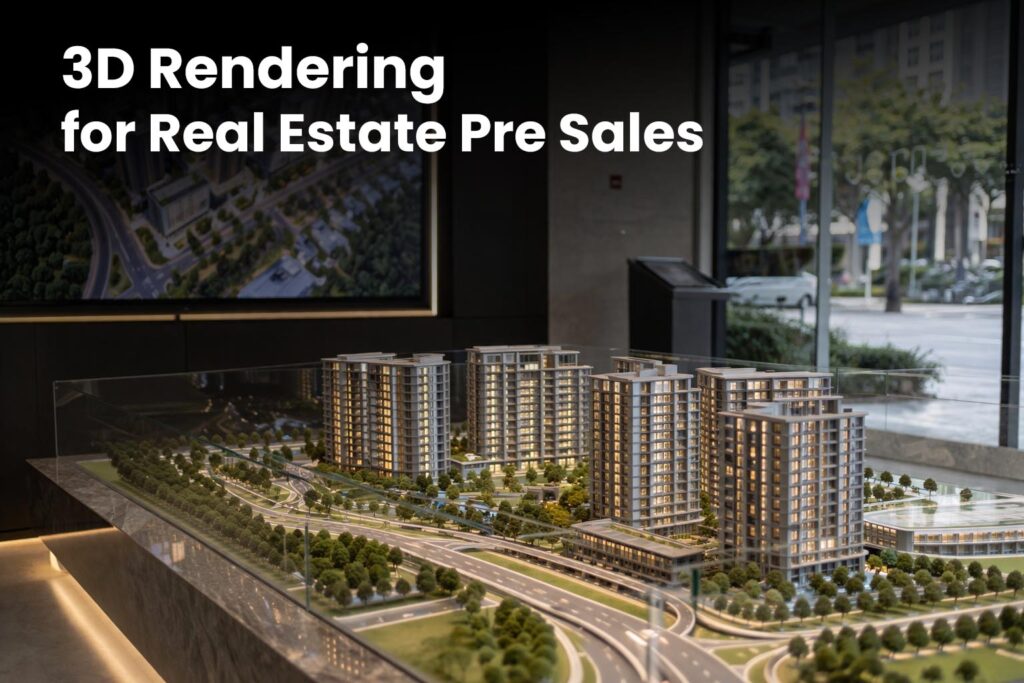
By utilizing 3D renderings in marketing efforts, architectural firms can stand out in a competitive market and build trust with clients who appreciate the transparency and precision these visualizations offer. In the real estate market, for instance, 3D renderings have proven to increase buyer interest and lead conversion rates.
Marketing Insights:
- Forbes reports that 3D visualization helps real estate developers attract 2.5 times more prospects compared to traditional marketing methods, highlighting its importance in both pre-sale and post-sale marketing efforts.
Conclusion
The power of 3D rendering in architecture goes beyond mere aesthetics. From improving communication to optimizing design processes and reducing costs, this technology offers tangible benefits that enhance both the creative and business aspects of architectural projects. By embracing 3D rendering, architects can gain a competitive edge, deliver better-designed spaces, and provide clients with an experience that is as close to reality as possible. Whether it’s through virtual walkthroughs, design revisions, or cost savings, the role of 3D rendering in architecture continues to evolve, driving innovation and transforming the way we visualize and create the built environment.