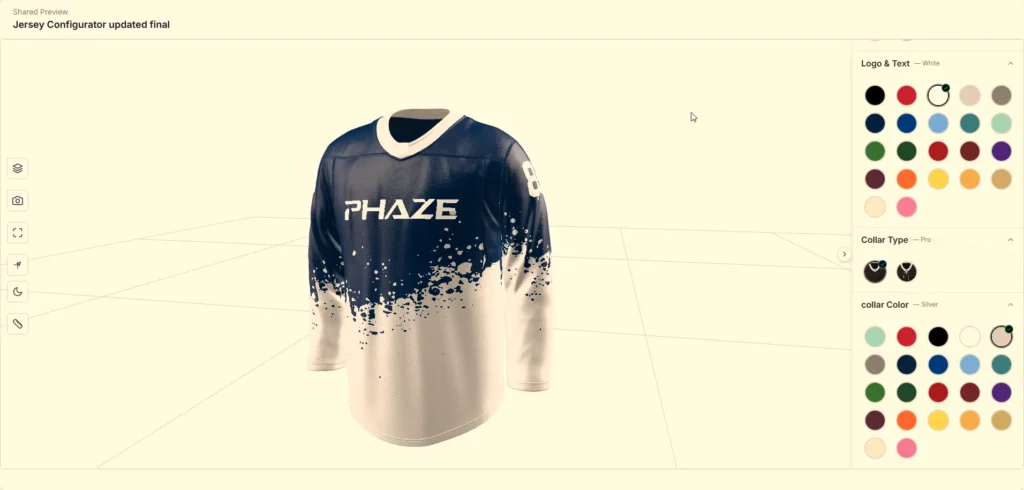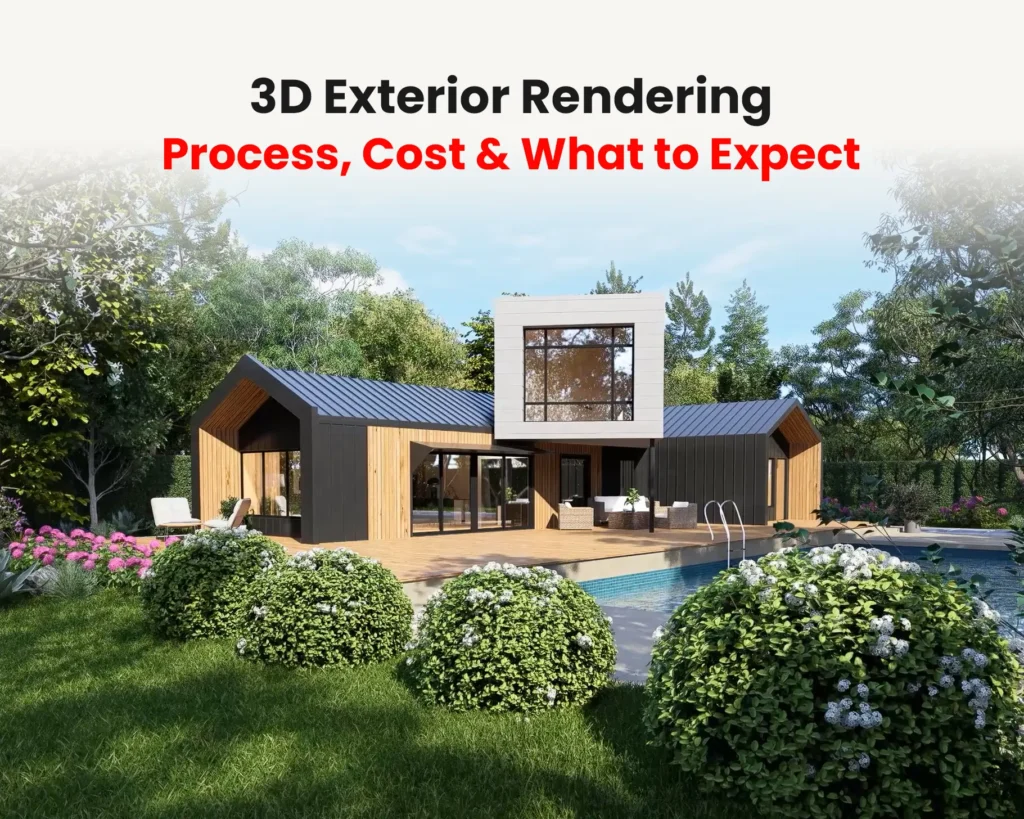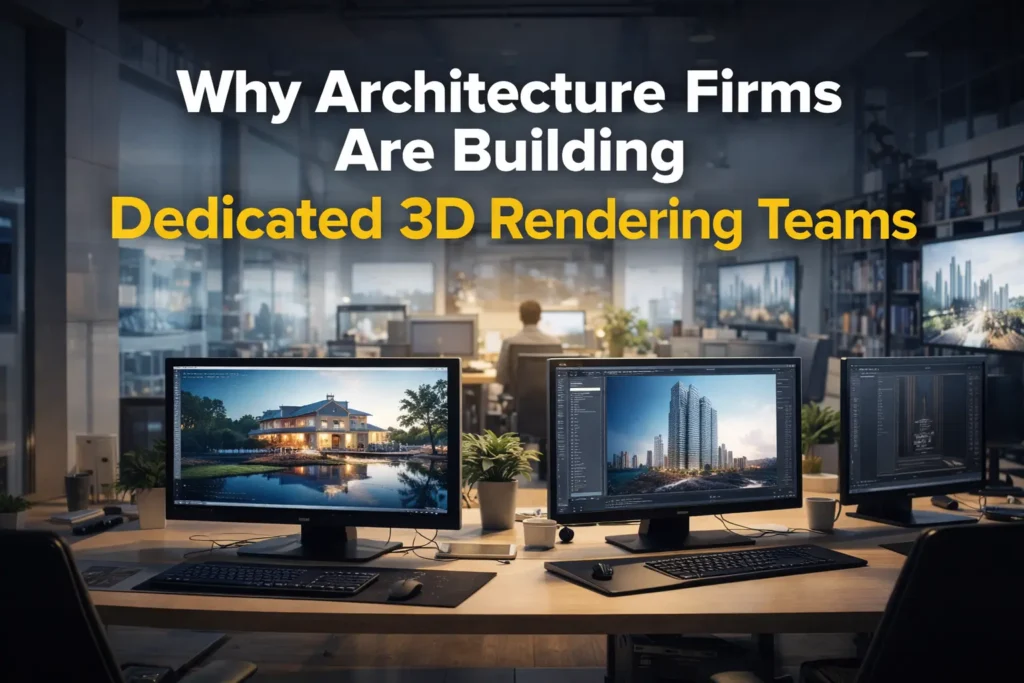
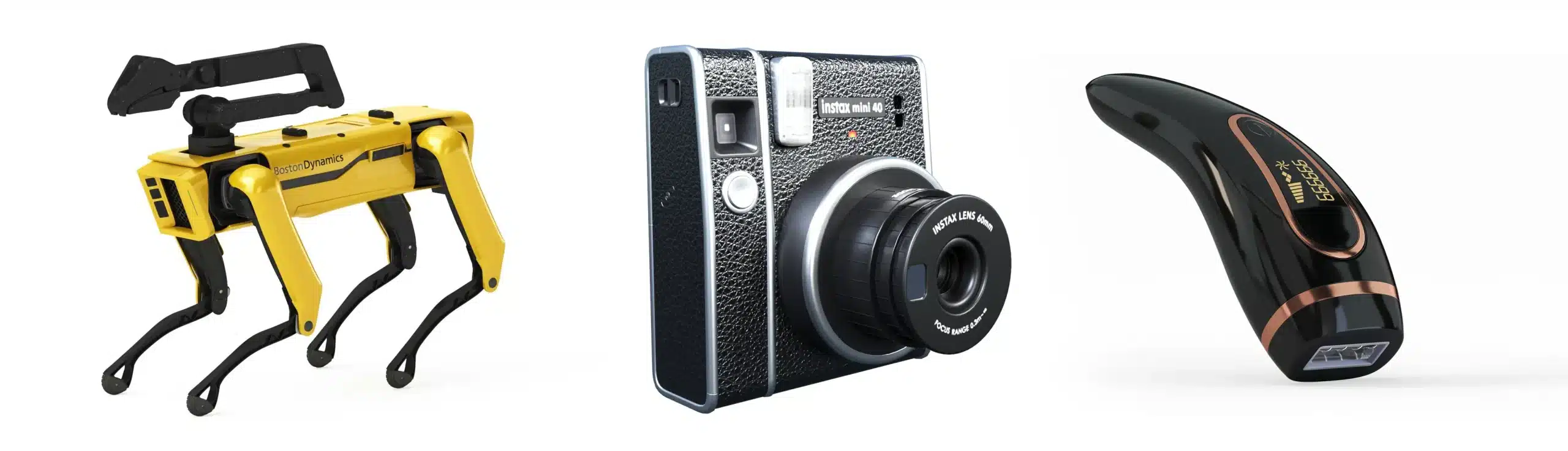
San Francisco has long been a magnet for innovation, and its tech companies continue to push boundaries in product development, digital experiences, and design. As competition grows and expectations rise, 3D modelling for tech companies in San Francisco has become an essential part of staying relevant. It allows businesses to simplify complex ideas, accelerate development cycles, and create compelling visuals that resonate with both investors and customers.
In this blog-style guide, we’ll explore how 3D modelling is transforming tech workflows across the Bay Area, why it matters for business owners and professionals, and what the future holds for companies embracing advanced digital design.
The Role of 3D Modelling in San Francisco’s Tech Ecosystem
San Francisco’s tech community thrives on innovation, agility, and forward-thinking strategies. From AI-driven robotics to consumer electronics and immersive digital platforms, companies rely on tools that help them work smarter and faster. This is where 3D modelling becomes invaluable.
Tech teams use 3D modelling to bridge the gap between concept and reality. It makes it possible to preview a product before physical production, explore design variations rapidly, and communicate ideas with exceptional clarity. This is especially important for startups and growing companies that must iterate quickly while maintaining high-quality standards.
Why 3D Modelling Matters for Today’s Tech Companies
One of the most significant advantages of 3D modelling is its ability to shorten development cycles without sacrificing precision. Instead of relying solely on traditional sketches or static diagrams, product teams can build lifelike models that reveal design flaws early.
This increases efficiency and gives tech companies more confidence when presenting prototypes to stakeholders. Engineers, designers, investors, and clients all gain a clearer understanding of the final product, which reduces misunderstandings and helps maintain project momentum.
3D modelling also improves customer perception. In a city known for world-class design and cutting-edge technology, polished visuals are no longer optional—they are expected. High-quality 3D renders or animations can enhance a company’s brand identity, making products appear refined and market-ready long before manufacturing begins.
Key Benefits of 3D Modelling for Tech Teams
Although 3D modelling offers many advantages, a few stand out as especially impactful for business owners and professionals. Below is one of the only two bullet lists in this article:
- Faster product development, thanks to quick iterations and early detection of design issues
- Improved communication, allowing multidisciplinary teams to stay aligned
- Enhanced marketing materials, including photorealistic renders and interactive demos
- Lower production costs, because errors can be corrected before manufacturing
- More compelling investor pitches, with visuals that instantly convey value
For companies navigating the competitive San Francisco tech landscape, these benefits translate into stronger products, smoother workflows, and better market positioning.
How Tech Companies Apply 3D Modelling in Real Projects
Product Engineering and Hardware Development
San Francisco is home to countless hardware startups, IoT manufacturers, robotics companies, and consumer electronics innovators. These businesses rely on 3D modelling to refine their prototypes, experiment with materials, evaluate internal components, and conduct stress testing before production.
By visualizing every detail in advance, companies reduce costly revisions and accelerate the path to a fully functional product.
Software, VR, and AR Development
In recent years, many local tech firms have expanded into virtual and augmented reality. 3D modelling plays a central role in building immersive environments, realistic characters, and interactive interfaces. Without accurate modelling, VR and AR products would lack the richness and dimensionality that users expect.
Teams working on metaverse applications or digital simulations also depend on 3D modelling to bring abstract concepts into concrete form, allowing developers and clients to interact with ideas more intuitively.
Architectural and Environmental Visualization
San Francisco’s tech companies often operate in modern workspaces that require careful planning. 3D modelling supports interior designers, architects, and facility managers by providing detailed previews of office layouts, lighting conditions, and spatial flow. This helps companies make smarter decisions about how to utilize premium office real estate.
Choosing the Right 3D Modelling Partner
For many tech companies, outsourcing 3D modelling to a specialized firm is more efficient than building an in-house team. However, choosing the right partner is crucial.
Look for a provider with proven experience in the tech sector and familiarity with engineering tools such as SolidWorks, Fusion 360, and other modelling platforms. Communication skills also matter. A great modelling partner should understand your technical requirements, ask clarifying questions, and deliver work aligned with your vision.
Portfolios play a major role as well. A company’s past work reveals its strengths, design style, and ability to create models that are both visually appealing and technically accurate. Since San Francisco businesses operate in fast-moving industries, the partner should also be able to turn around projects quickly without compromising quality.
Software and Tools Commonly Used by San Francisco Tech Teams
3D modelling relies on powerful software that supports advanced features such as real-time rendering, simulation, and compatibility with engineering systems. Some of the most widely used tools include:
- Autodesk Maya
- Autodesk 3ds Max
- Blender
- SolidWorks
- Rhino
- Fusion 360
Many tech companies also integrate these modelling tools with CAD systems, cloud collaboration software, and virtual reality platforms. This interconnected ecosystem makes it easier to manage complex projects, run simulations, and share files seamlessly across multiple departments.
Future Trends in 3D Modelling for the Bay Area
The future of 3D modelling is evolving quickly, especially in a forward-thinking environment like San Francisco. Artificial intelligence is expected to play a major role by automating repetitive modelling tasks and generating design variations in seconds. Real-time rendering engines will become even more efficient, allowing teams to preview changes instantly.
Digital twins—virtual replicas of physical products or systems—are also becoming more popular. They enable continuous monitoring, troubleshooting, and optimization, especially for companies working in robotics, manufacturing, and infrastructure.
As these technologies mature, tech companies will be able to design faster, predict product performance with greater accuracy, and make data-driven decisions throughout the development process.
Practical Applications for Business Owners
Even beyond engineering, 3D modelling offers valuable support for business-related tasks. Company leaders often use 3D visuals in investor presentations, pitch decks, or product showcases. These models communicate ideas with precision, helping investors grasp the product’s purpose and potential impact even before a prototype exists.
Marketing teams benefit as well. A single 3D model can generate multiple renders, animations, and interactive elements for websites, trade show materials, and product documentation. This allows businesses to present a polished, modern image to customers and partners.
For operations teams, 3D modelling can support training simulations, assembly instructions, and maintenance tutorials. Clear visuals reduce confusion and streamline internal processes, especially in complex technical environments.
Frequently Asked Questions
1. Why is 3D modelling important for tech companies in San Francisco?
It helps companies design faster, communicate more clearly, and present products professionally in a competitive tech ecosystem.
2. Which industries benefit most from 3D modelling?
Industries such as robotics, IoT, VR/AR, consumer electronics, aerospace, and architectural technology make extensive use of advanced modelling.
3. How does 3D modelling support investor pitches?
High-quality renders and animations make early-stage ideas more tangible, helping investors understand the value and structure of a proposed product.
4. Is 3D modelling cost-effective for small startups?
Yes. By identifying issues before manufacturing, it reduces revision costs and accelerates development timelines.
5. What software is commonly used?
Tools such as Blender, 3ds max, SolidWorks, and Rhino are widely used in engineering and design workflows.
6. Can 3D modelling enhance marketing materials?
Absolutely—product renders and animations create a polished, modern image that appeals to customers and stakeholders.
Conclusion
3D modelling for tech companies in San Francisco is no longer a niche practice—it’s a strategic necessity. It strengthens product development, elevates marketing, and streamlines project communication. Whether you’re a startup founder, engineering professional, or tech executive, integrating 3D modelling into your workflow can help you innovate faster and operate more efficiently.
To stay informed about new modelling tools and industry developments, exploring resources such as TechCrunch offers valuable insights into emerging technologies and design trends.