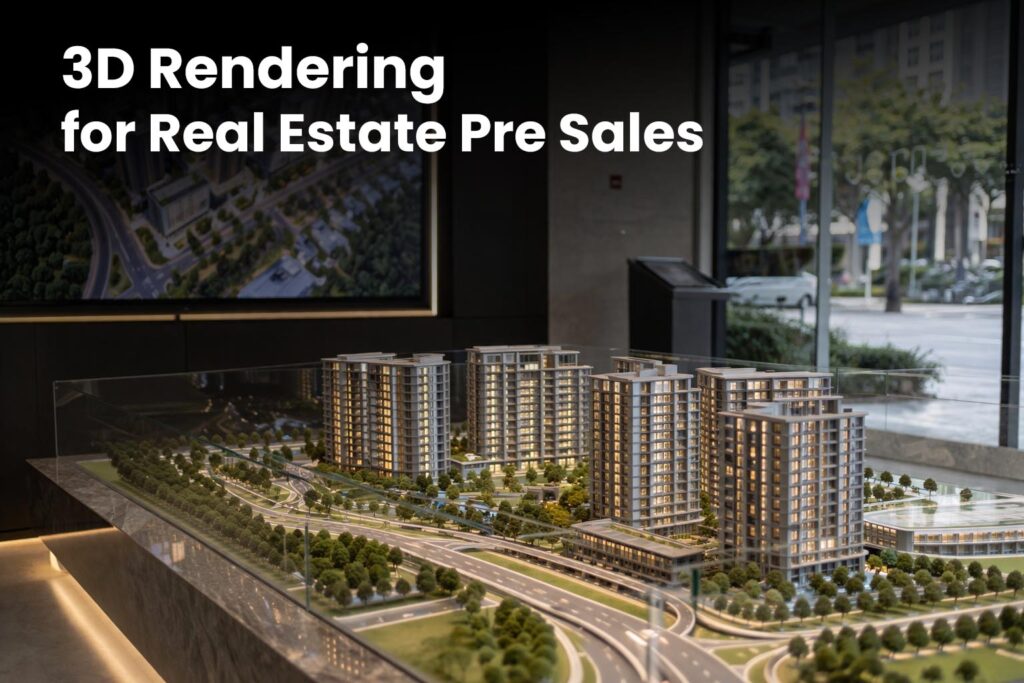
London’s film and advertising industries are experiencing a digital renaissance, thanks to the integration of 3D lifestyle rendering for advertising in London — a cutting-edge technique that fuses artistic creativity with technical precision. As brands seek to engage audiences through visually immersive experiences, this approach has emerged as a cornerstone of modern storytelling, transforming abstract concepts into lifelike visual narratives.
This guide covers what 3D lifestyle rendering actually involves, why London agencies are using it, what it costs, and what to look for in a studio.
What Is 3D Lifestyle Rendering for Advertising?
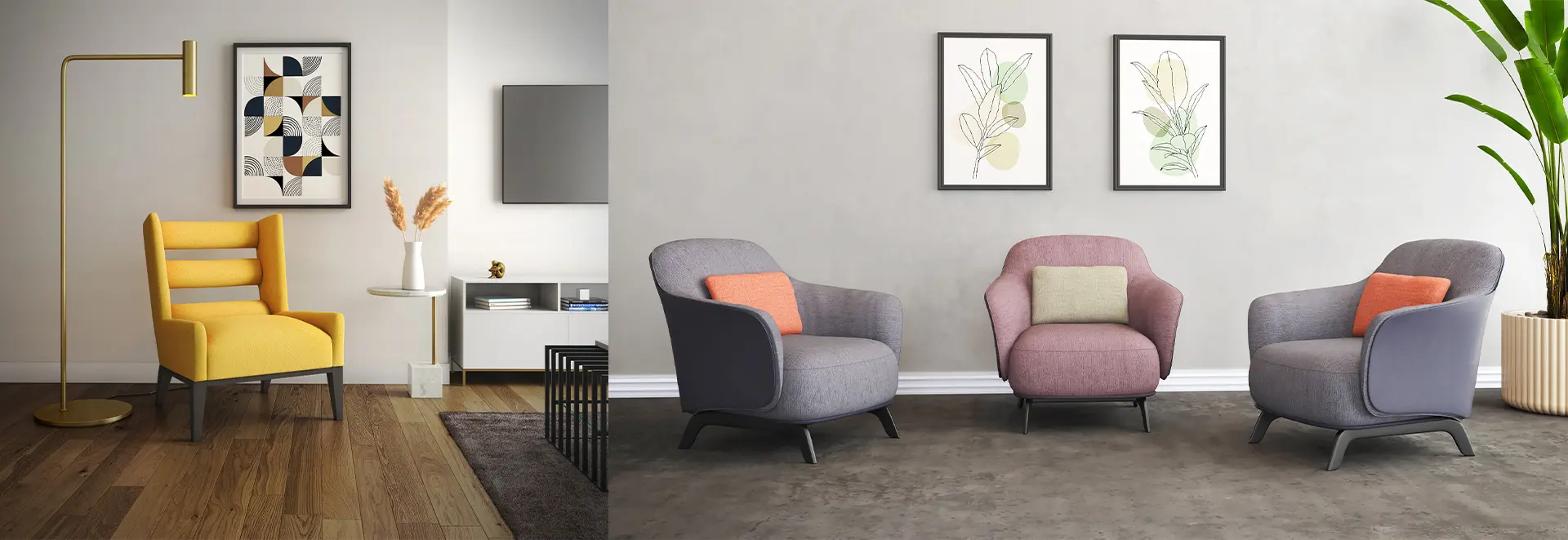
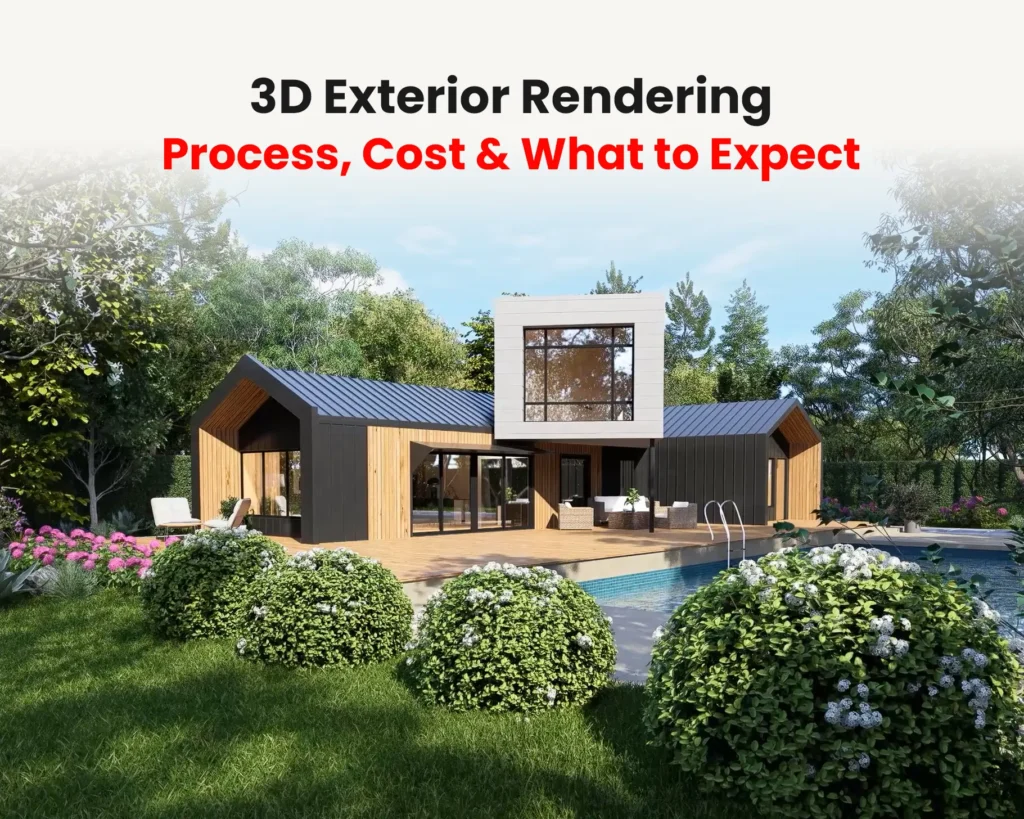
3D lifestyle rendering is the process of building a photorealistic scene around a product entirely in 3D software, rather than photographing it on location. The product, the furniture, the props, and the lighting are all built digitally, then rendered to look indistinguishable from a photograph.
It’s a different job from plain product rendering. A standard product render isolates the item on a white or neutral background for catalog and listing use. A lifestyle render places that same product inside a full environment, built to look lived-in and specific, which is what makes it suited to advertising rather than e-commerce listings.
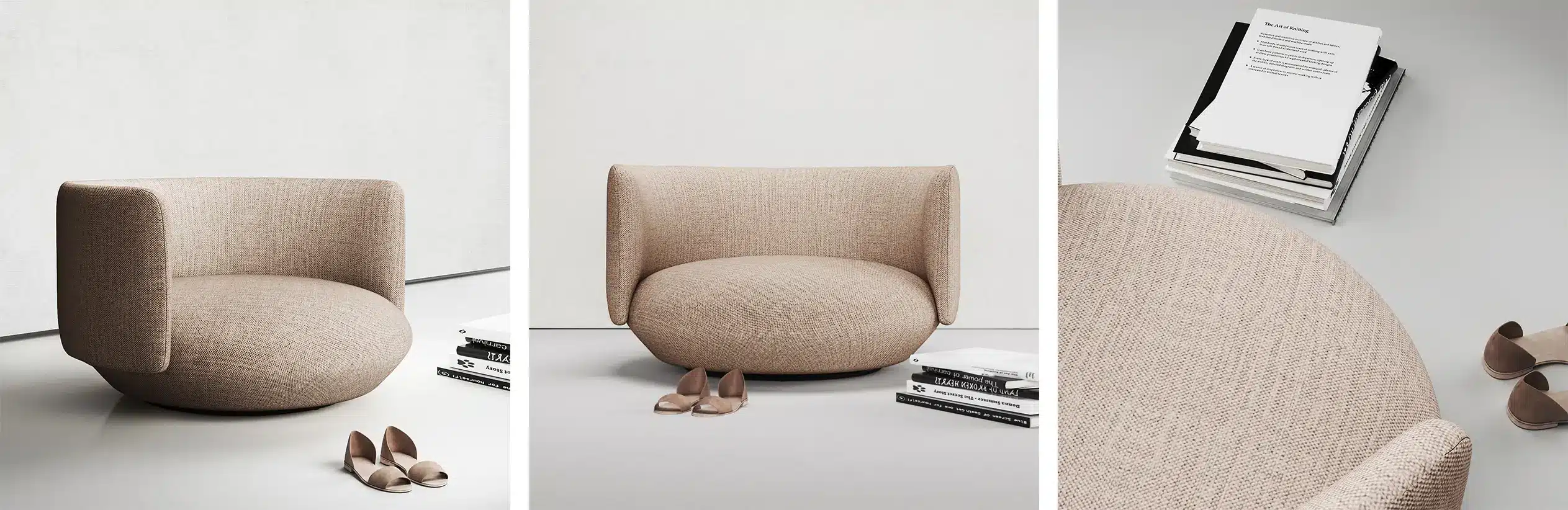
That realism comes down to two things: materials that behave like their real-world counterparts (fabric that folds and catches light like fabric, glass that refracts correctly) and lighting that matches how the scene would actually look under natural or studio conditions. At 4dviz, this runs through 3ds Max for modeling and V-Ray or Corona for rendering, the same pipeline used across our product and architectural work.
The advantage over a physical shoot is flexibility. Once a product and scene exist as a 3D asset, changing the backdrop, the lighting, or the styling doesn’t require rebooking a location or a crew. It’s a re-render, not a reshoot.
Why London Agencies Are Using It
London’s advertising and production industry works across a wide range of budgets, from small direct-to-consumer brands to global campaigns, and lifestyle rendering fits both ends. It removes the cost of booking a location and a styling team for a single hero shot, and it lets an agency generate several scene variations (different backgrounds, seasons, or styling directions) from one 3D build instead of reshooting each version separately.
It also solves a timing problem specific to advertising. Campaigns are often built around a product before it exists in final production colors, in the country, or in enough quantity to photograph. A rendered scene can be ready for a launch date regardless of where the physical product is in its production timeline.
Types of 3D Lifestyle Renders
Not every campaign needs the same kind of scene. The common types agencies request:
- Interior domestic scenes — a product placed in a home setting: a living room, kitchen, or bathroom, styled to match a target buyer’s taste. The most common request for furniture, homeware, and appliance advertising.
- Outdoor and urban scenes — a product shown in a street, park, or architectural setting, often used for fashion, footwear, or automotive campaigns where context and mood matter more than a domestic setting.
- Macro and detail shots — a close, styled shot on a single surface or prop, used to highlight texture, finish, or a specific feature rather than the whole product in context.
- Seasonal or thematic variants — the same base scene restyled for a holiday campaign, a change in season, or a regional market, without rebuilding the product or the core environment from scratch.
Most campaigns combine two or three of these across a single product launch rather than relying on just one.
Applications in Advertising and Marketing Campaigns
Lifestyle rendering shows up across a few common advertising use cases:
- Product campaigns — a furniture brand shown in three different styled interiors, or a skincare product shown across morning and evening bathroom scenes, all from a single 3D model.
- Seasonal and regional variants — the same product restyled for different markets or seasons without a second shoot.
- Multi-channel consistency — one rendered asset adapted for a billboard, an Instagram ad, and a website banner, keeping the product’s look consistent across formats that would otherwise need separate photography.
- Pre-launch marketing — a product still in production can be shown in full campaign-ready scenes before physical units exist, letting agencies build launch materials on schedule instead of waiting on manufacturing.
Because the underlying 3D model is reusable, a single build can support an entire campaign’s worth of scene variations rather than one image per shoot.
What a Lifestyle Rendering Project Looks Like
A typical project starts with a brief covering the product, the intended setting, and the mood the agency wants (bright and minimal, warm and lived-in, high-contrast and editorial). If the product doesn’t already exist as a 3D model, that’s built first from photos, drawings, or spec sheets. The scene is then built out around it, styled with the props and materials that match the brief, and lit to match the intended mood before final rendering.
Most projects take 3 to 10 days depending on scene complexity, with larger campaigns or projects needing multiple scene variations taking 2 to 4 weeks.
Common Mistakes to Avoid
A few recurring issues tend to weaken lifestyle rendering campaigns:
Over-styling the scene. A heavily props-filled environment can pull attention away from the product it’s meant to sell. The scene should support the product, not compete with it.
Inconsistent lighting between product and background. If the product’s material rendering doesn’t match the light direction and intensity of the rest of the scene, it reads as pasted-in rather than built as one image.
Vague creative briefs. A brief without a clear reference for mood, color palette, or setting leads to more revision rounds, since the studio is left guessing at intent.
Treating it as a one-off asset. Because a single 3D build can generate multiple scene variations cheaply, briefing only one final image upfront often means missing an easy opportunity to get more campaign assets from the same build.
Cost
Pricing depends on how much styling and scene-building the project needs. A single product on a simple background starts at the same tier as our standard product rendering work, from $25 for a Basic package. A fully styled lifestyle scene, with multiple props, materials, and a custom-lit environment, typically runs higher and is priced based on the scope of the brief.
Choosing a 3D Rendering Studio in London
When evaluating a studio, look for a portfolio that actually includes lifestyle and advertising work, not just product shots on white backgrounds, along with clear turnaround times and a straightforward revision policy. Worth asking directly:
- What industries have you worked in?
- Can you show case studies or examples of finished campaign work?
- What’s your average turnaround time?
- How many rounds of revisions are included?
FAQ
What makes 3D lifestyle rendering useful for advertising?
It lets brands show a product in a realistic, styled setting without booking a physical location or set, and the same 3D asset can be restyled for multiple campaign variations.
How much does 3D lifestyle rendering cost in London?
Pricing depends on scene complexity and styling. Simple product scenes start from $25, with fully styled lifestyle scenes priced based on the number of props, materials, and lighting setups involved.
How long does a 3D lifestyle rendering project take?
Most projects take 3 to 10 days. Larger campaigns or projects with multiple scene variations typically take 2 to 4 weeks.
Do I need an existing 3D model of my product?
No. If a 3D model doesn’t already exist, it can be built from product photos, technical drawings, or spec sheets as the first step of the project.
Which industries benefit most from lifestyle rendering?
Furniture, fashion, beauty, and consumer product brands see the most use from it, particularly for campaigns needing multiple styled scenes.
Can 3D rendering replace a traditional photoshoot?
For a lot of campaign work, yes, especially when a product needs to appear in several settings or before it’s physically available to photograph.
Where can I find a 3D rendering studio in London?
4dviz works with London-based agencies and brands on advertising and lifestyle rendering projects. Explore our portfolio or get in touch to discuss your next campaign.
Ready to build your next campaign in 3D?
Skip the location shoot. Get a styled, photorealistic lifestyle scene built around your product.
Start your project →