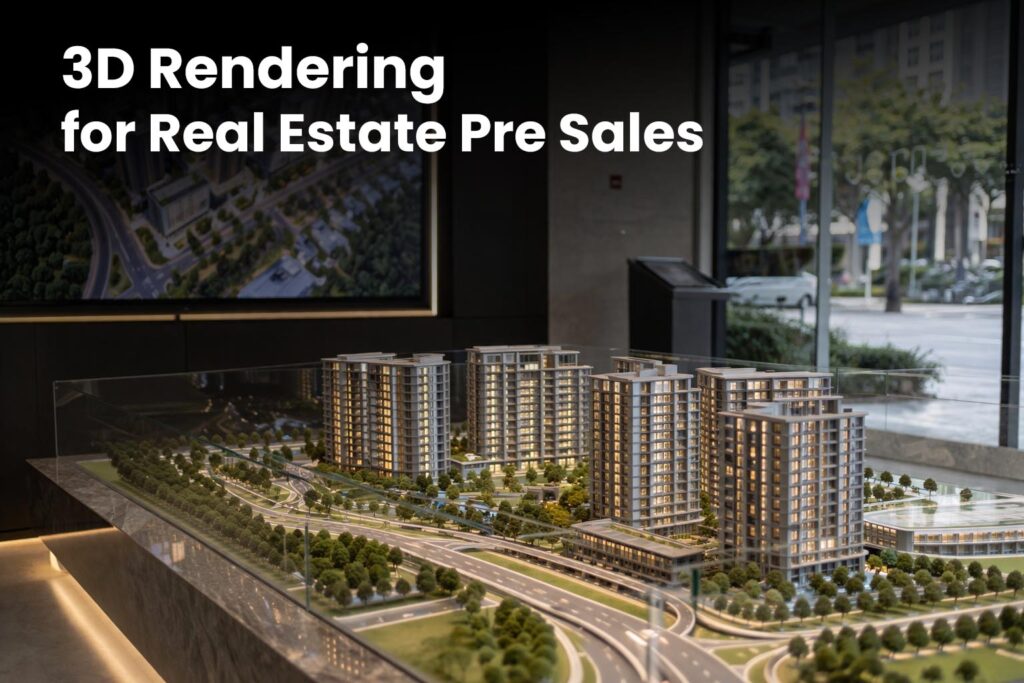
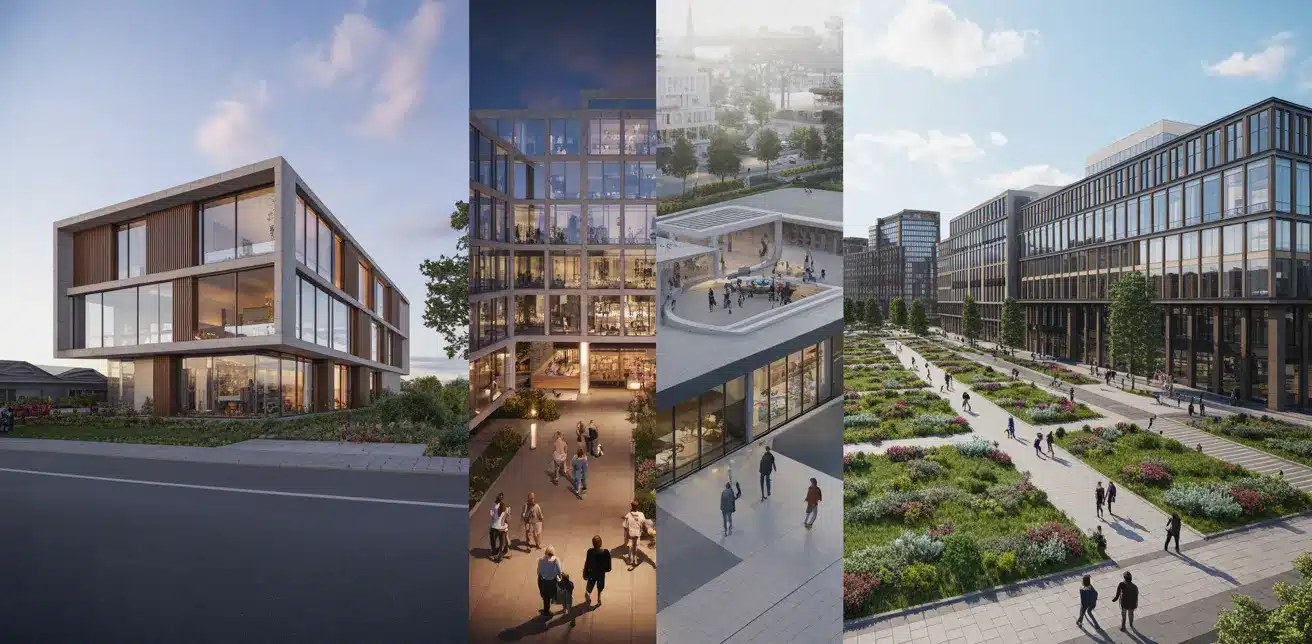
In today’s design-driven world, 3D architectural rendering is more than a visual luxury—it’s a necessity. Whether you’re an architect, real estate developer, or interior designer, understanding the Cost of 3D Architectural Rendering Services is crucial for budgeting, decision-making, and achieving the best visual results.
With lifelike renderings helping clients visualize concepts before construction, the demand for high-quality 3D visuals has skyrocketed. However, the pricing can vary dramatically depending on the scope and complexity of the project. Let’s explore what drives these costs and how to ensure your investment delivers maximum value.
What Are 3D Architectural Rendering Services?
Definition and Purpose of 3D Rendering
3D architectural rendering is the art and technology of transforming architectural designs into visually compelling, lifelike images or animations. Using advanced software, designers and visualization artists create realistic or conceptual representations of buildings, interiors, or landscapes—showcasing elements like lighting, materials, textures, and spatial depth. These renderings allow architects, clients, and investors to explore and evaluate a project long before construction begins, helping them visualize the end result with clarity and confidence.
How Rendering Enhances Design Communication
3D renderings go far beyond visual appeal—they serve as a powerful communication tool. While technical drawings and blueprints can be difficult for non-architects to interpret, renderings make design intent instantly clear. Clients can see how light interacts with materials, how furniture fits within a space, or how exterior elements complement the surroundings. This improved understanding minimizes confusion, reduces costly revisions, and enables more informed decision-making throughout the design process. In short, 3D architectural rendering bridges the gap between imagination and reality, turning abstract ideas into tangible visual experiences.
Factors Influencing the Cost of 3D Architectural Rendering Services
Project Complexity and Detail Level
The scale and intricacy of a project are among the biggest cost drivers in 3D rendering. A simple residential scene with minimal furniture and basic lighting requires far less time and effort than a detailed commercial complex featuring landscaping, vehicles, reflections, and advanced material properties. Each added element—from vegetation to décor—demands extra modeling and rendering time. As a result, highly detailed projects not only take longer to produce but also require more powerful hardware and skilled labor, both of which increase the overall cost.
Type of Rendering: Interior, Exterior, or Aerial Views
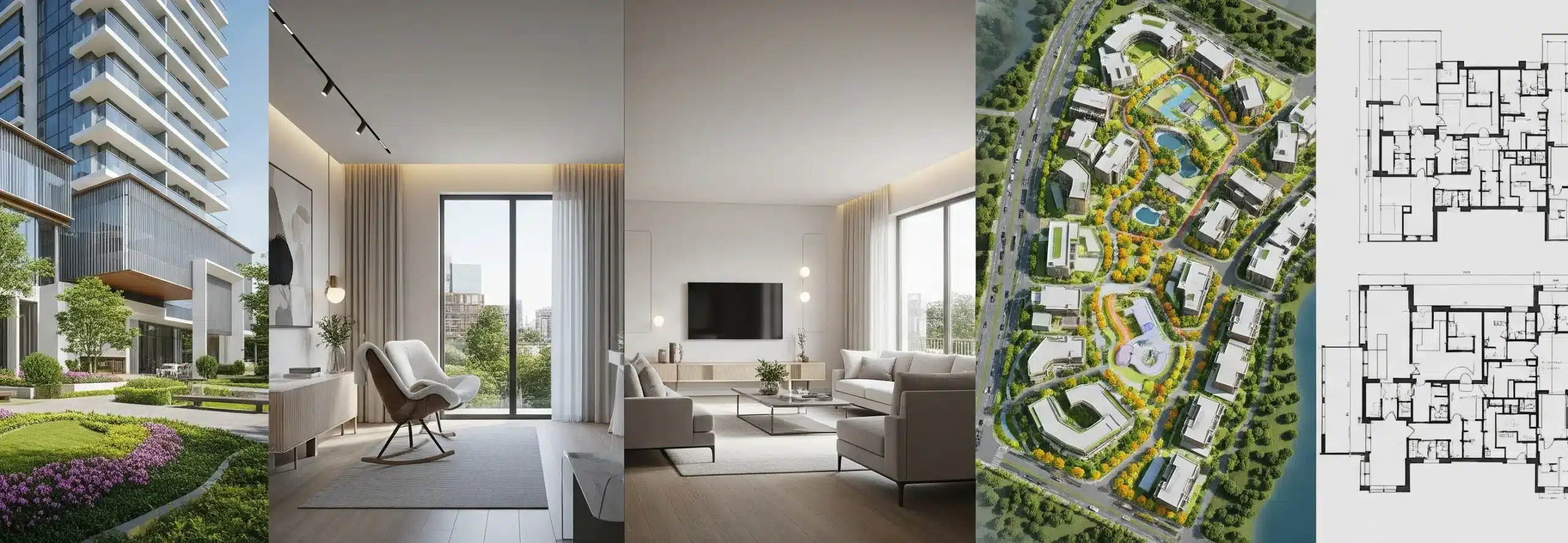
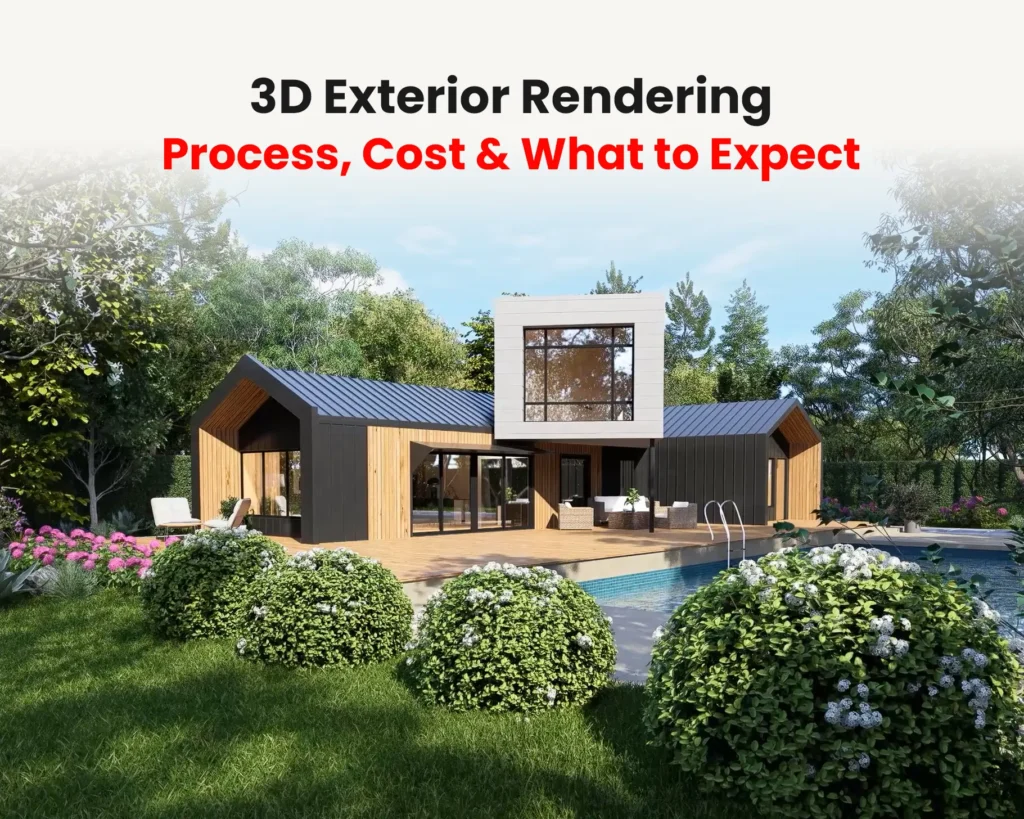
The rendering type significantly affects pricing. Interior renderings focus on material realism, furniture layout, and lighting accuracy to capture how natural and artificial light interact within a space. Exterior renderings, on the other hand, highlight architectural details, textures, and the surrounding landscape, often including environmental factors like weather or time of day. Aerial renderings (or bird’s-eye views) tend to be the most expensive, as they involve large-scale modeling of buildings, terrain, and urban context to create a cohesive and realistic environment.
Turnaround Time and Revisions
Tight deadlines or frequent change requests can raise the total cost. Producing high-quality renders requires careful planning, rendering time, and post-production work. When clients request fast delivery, studios may need to allocate additional artists, render on high-performance servers, or extend working hours—all of which increase expenses. Similarly, multiple rounds of revisions, especially after the rendering process has begun, require reworking scenes and re-rendering images, adding to both time and cost.
Software, Technology, and Expertise Involved
Not all renderings are created equal. The choice of software and the skill of the artists play a crucial role in pricing. Studios that use industry-leading tools such as V-Ray, Corona Renderer, Unreal Engine, or Blender Cycles can deliver superior lighting, texture realism, and overall quality. Moreover, experienced artists with a strong understanding of architecture, design composition, and real-world lighting tend to charge higher rates—but their work also elevates the final output’s realism and emotional impact. In essence, investing in quality software and expertise ensures a more professional and visually persuasive result.
Average Pricing Breakdown: What You Can Expect to Pay
Typical Cost Ranges by Project Type
| Rendering Type | Estimated Cost Range (USD) |
| Interior Rendering | $250 – $800 per image |
| Exterior Rendering | $300 – $1,000 per image |
| Aerial Rendering | $700 – $2,000 per image |
| Animation / Walkthrough | $50 – $150 per second of video |
Hourly vs. Fixed Pricing Models
Some rendering companies charge hourly (typically $30–$100 per hour), while others offer fixed rates per image. Fixed pricing gives clients better cost predictability, while hourly rates offer flexibility for ongoing revisions.
Examples of Cost Structures from Real Projects
A mid-sized architectural firm might pay around $600 for a single exterior rendering, whereas a developer requesting multiple views and video walkthroughs could spend $5,000–$10,000 on a project.
The ROI of Investing in Professional 3D Rendering
How 3D Visualization Boosts Project Approvals and Sales
High-quality renderings can be the difference between client approval and project rejection. They help stakeholders visualize final results, enabling faster decision-making and increased pre-construction sales.
Saving Time and Reducing Design Errors
By spotting design issues early, 3D renderings prevent costly construction mistakes. This alone can save thousands of dollars, making rendering a financially sound investment rather than an expense.
How to Choose the Right 3D Rendering Company for Your Budget
Key Qualities to Look For in a Rendering Studio
- Strong portfolio with photorealistic results
- Transparent pricing and timelines
- Experienced artists familiar with architectural workflows
- Ability to communicate clearly throughout the project
Questions to Ask Before Hiring
- What’s included in the quoted price?
- How many revisions are offered?
- Which software and rendering engines are used?
- Can they meet my project deadline?
Common Misconceptions About 3D Rendering Costs
“Cheaper Means Better Value” Myth
Low-cost renderings often sacrifice quality, leading to unrealistic visuals or rework costs. In professional projects, quality directly affects presentation success and client trust.
The Hidden Costs of Low-Quality Renderings
Poor renderings can delay approvals, confuse clients, and harm your brand reputation. Paying slightly more for top-tier renderings ensures consistency, clarity, and aesthetic appeal.
Future Trends Influencing Rendering Costs in 2025 and Beyond
AI-Powered Rendering and Automation
AI is revolutionizing rendering workflows by automating lighting and material optimization. While this can reduce costs, the demand for artistic precision still keeps experienced artists in high demand.
Real-Time Rendering and Virtual Reality Integration
As clients increasingly request interactive experiences, real-time rendering and VR integration are becoming mainstream, adding both value and complexity to projects.
FAQs on Cost of 3D Architectural Rendering Services
Q1. What is the average cost of a single 3D rendering?
A: On average, expect to pay between $300 and $1,000 depending on quality and project scope.
Q2. Why do prices vary so much between providers?
A: Differences in experience, software, and visual quality contribute to wide pricing variations.
Q3. Can I get discounts for bulk rendering projects?
A: Yes. Many studios offer package deals for multiple images or ongoing collaborations.
Q4. How long does a typical rendering project take?
A: Simple projects may take 2–3 days, while complex ones can take up to two weeks.
Q5. Is 3D rendering worth the investment?
A: Absolutely. It enhances visualization, boosts sales, and reduces costly design mistakes.
Q6. How can I ensure I’m not overpaying for renderings?
A: Compare portfolios, check reviews, and clarify what’s included in each quote.
Conclusion: Making an Informed Investment in Architectural Visualization
Understanding the Cost of 3D Architectural Rendering Services empowers professionals to make strategic investments that elevate project quality and client satisfaction. Instead of focusing solely on price, prioritize value, quality, and communication when selecting a rendering partner.
High-quality 3D visuals are not an expense—they’re a competitive advantage in an increasingly visual industry.
For more insights on architectural visualization trends, visit ArchDaily